
Ljubljana → Zagreb → Dubrovnik
Ljubljana → Zagreb → Dubrovnik begins like a trip for travelers who hate monotony and love contrast. Ljubljana → Zagreb → Dubrovnik spans 8 days and works best when you let each stop reveal a different side of the trip. Culturally, the journey stays rewarding because the cities never blur into one another. Ljubljana brings riverside cafés, a hilltop castle, greenery, and relaxed local life. In Zagreb, expect markets, museums, café culture, and laid back central European rhythm. Dubrovnik adds city walls, marble lanes, Adriatic views, and cinematic old town drama. May, June, and September usually bring the best balance of pleasant weather and scenic travel. It suits curious travelers, backpackers, road trippers, and repeat Europe visitors. Because the transfers are manageable, the route keeps its momentum without wasting too many hours in transit. Book the biggest attractions and the key transport segments in advance if you are traveling during busy weeks. What stays with most travelers is not just the landmarks but the changing texture of each day. That blend of famous highlights and smaller discoveries is a big reason the route feels complete. It also stays flexible enough for different budgets and travel styles. The itinerary leaves room for slower meals and unexpected favorites. Even shorter stays still feel worthwhile because each city gives you a quick, vivid sense of place. Neighborhood walks often become as valuable as the signature sights. Plan your Ljubljana → Zagreb → Dubrovnik trip today travelers often remember the small moments most on a route like this and that.
Plan this trip
Route pre-filled — set your origin, dates and budget
Photo by Jack's Flight Club on Unsplash
Ljubljana, the capital of Slovenia, is one of Europe's most pleasant and overlooked small capitals. A city of just 280,000 people, it has a beautifully preserved Baroque and Art Nouveau old town, the Ljubljanica River running through the centre, an impressive hilltop castle, and a café culture that fills every terrace from spring to autumn. Its combination of Central European elegance and Alpine freshness is uniquely appealing. The triple bridges (Tromostovje) designed by Jože Plečnik, Slovenia's architectural genius who transformed Ljubljana in the interwar period, are the city's most distinctive feature; his market colonnade, National and University Library and covered market along the river are all architectural gems. The Ljubljana Castle on its hill above the old town offers excellent views. The dragon — Ljubljana's symbol, featured on four bridges — appears throughout the city in surprising places. The restaurant and café culture along the riverside terraces is excellent and affordable by Western European standards. Slovenian cuisine — štruklji (rolled dumplings), žlikrofi (stuffed pasta), potica (rolled nut cake) — is distinctive and underrated. The Metelkova alternative cultural centre, a former military barracks, is a fascinating counterpoint to the polished old town. Ljubljana is the perfect base for exploring Slovenia: Lake Bled (45 minutes), the Soča Valley and Triglav National Park are all accessible. Visit in spring or summer for the best outdoor café culture.
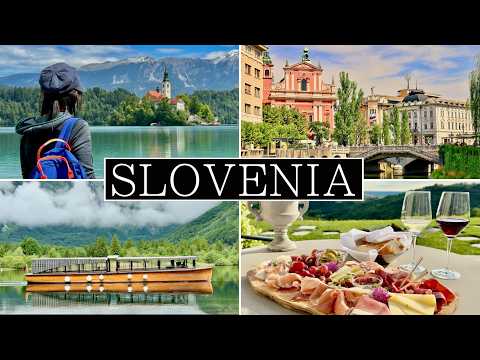


Photo by Marko Brečić on Unsplash
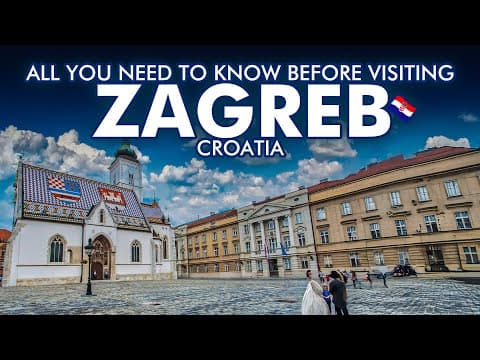
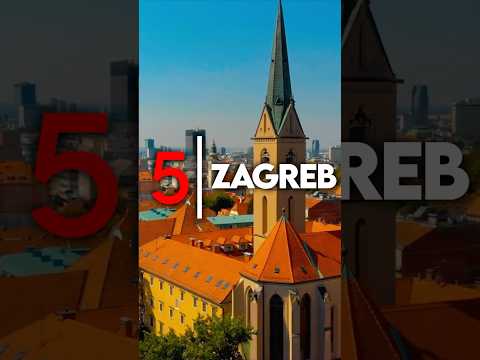
Zagreb, the capital of Croatia, remains one of Europe's most underrated city breaks — a Central European capital with a Viennese grace, excellent café culture, world-class museums and a vibrant urban life that seems largely undiscovered by the international tourism that Croatia's coast attracts in such numbers. The city divides between Gornji Grad (Upper Town) — the medieval and Baroque hilltop quarter with the Cathedral, St. Mark's Church with its colourful tiled roof, the Croatian Parliament and Government buildings — and Donji Grad (Lower Town), the 19th-century grid of grand boulevards, parks and major cultural institutions. The Museum of Broken Relationships (objects and stories from failed relationships, donated from around the world) is one of the most original and moving museums in Europe. The Zagreb City Museum, the Croatian Museum of Naive Art and the Mimara Museum all have strong collections. The Dolac covered market, operating daily above Ban Jelačić Square, is a vibrant and excellent source of local produce, honey, cheese and flowers. Zagreb's café culture — in the Tkalčićeva pedestrian street and the Bogovićeva strip — runs all day and into the night. The food scene is evolving well, with a growing number of creative modern Croatian restaurants. Day trips to Plitvice Lakes National Park (2 hours) and Samobor are excellent. Zagreb is significantly cheaper than Western European capitals.

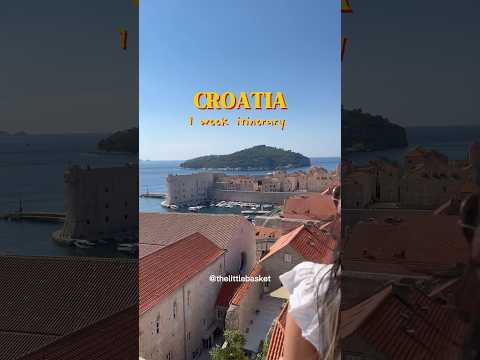
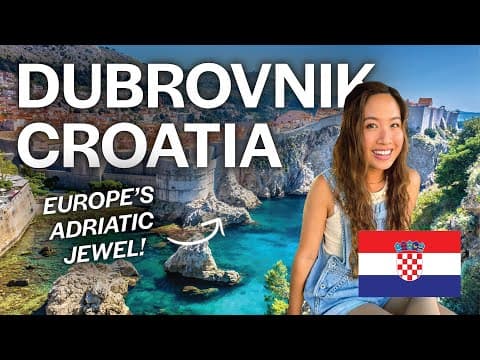
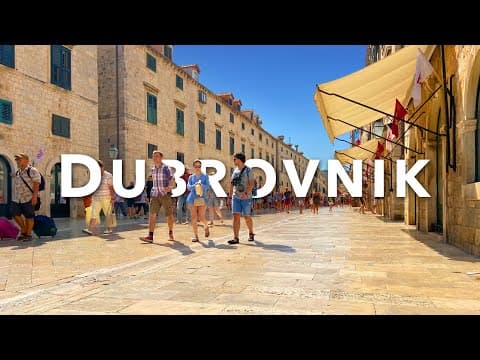
Dubrovnik is one of the most dramatically beautiful cities in the world — the "Pearl of the Adriatic," as Byron called it, a perfectly preserved medieval walled city on a limestone promontory above the impossibly blue Adriatic Sea. Its walls, towers, marble-paved streets and Renaissance architecture make it extraordinary under any circumstances; the light and setting elevate it to something almost unreasonable. Walking the 2-kilometre City Walls (a full circuit takes about 2 hours) is the defining Dubrovnik experience — views from the walls look down over terracotta rooftops to the sea on one side and the limestone Dinaric Alps on the other. The Stradun (Placa), the main street running through the old city, is flanked by Baroque palaces, churches and cafés. The Rector's Palace, Sponza Palace, Dominican Monastery with its Gothic cloister and the Franciscan Monastery (with its 14th-century pharmacy, one of Europe's oldest) are all worth entering. Game of Thrones filming (Dubrovnik was King's Landing) has significantly increased visitor numbers — cable car queues and the walls can be very crowded in July and August. The off-season (October–May) is dramatically better for experiencing the city's genuine magic. The Elafiti Islands, Lokrum (a short ferry ride) and the Pelješac Peninsula wine region (excellent Dingač and Pošip) are all excellent nearby destinations. Cable car to Mount Srđ for panoramic views is essential.