
Dublin → Edinburgh → London
Dublin → Edinburgh → London works because the cities do not compete with each other; they sharpen one another. Dublin → Edinburgh → London spans 8 days and works best when you let each stop reveal a different side of the trip. Even with several stops, the rhythm remains comfortable for travelers who dislike rushed holidays. Time in Dublin means friendly pubs, literary history, live music, and easygoing charm. Edinburgh brings castle views, medieval lanes, dramatic hills, and storybook evenings. In London, expect royal landmarks, theatre nights, major museums, and lively neighborhoods. Late spring and early fall are usually the best seasons, with mild weather and long sightseeing days. It suits first time Europe visitors, couples, friends, and culture focused travelers. Good connections are a quiet strength here, making the route easier than many equally ambitious plans. To keep the route enjoyable, avoid overloading arrival days and save some energy for evenings. Even the smaller moments tend to land well here, which is usually the sign of a genuinely strong itinerary. Small local rituals such as coffee stops, market browsing, or a late viewpoint can shape the day beautifully. That blend of famous highlights and smaller discoveries is a big reason the route feels complete. It also stays flexible enough for different budgets and travel styles. The itinerary leaves room for slower meals and unexpected favorites. Even shorter stays still feel worthwhile because each city gives you a quick, vivid sense of place. Plan your Dublin → Edinburgh → London trip today travelers often remember the.
Plan this trip
Route pre-filled — set your origin, dates and budget
Photo by John Kostyk on Unsplash
Dublin is a city of stories, conversation and craic — the Irish concept of good times and good company that is absolutely genuine, not a tourist fabrication. The Irish capital sits at the mouth of the River Liffey on the east coast, compact enough to explore on foot but with enough depth and character to reward extended stays. The city's literary heritage is exceptional. James Joyce, Samuel Beckett, Oscar Wilde, W.B. Yeats and Jonathan Swift all walked these streets, and their presence is everywhere — in pub names, memorial plaques, the Writers Museum and the Long Room of Trinity College Library, which houses the Book of Kells, one of the world's most celebrated medieval illuminated manuscripts. The National Museum of Ireland and the National Gallery are both free and excellent. Dublin's pub culture is integral to Irish social life. A traditional session in a snug of the Mulligan's or the Kehoe's — live fiddle music, a pint of Guinness, conversation flowing freely — is an experience worth seeking out. The Guinness Storehouse is a slick visitor attraction with good views from the rooftop. Beyond the city, the Wicklow Mountains, Glendalough and the Howth Head coastal walk are all day-trip distance. Visit in May–September for the best weather and the most festivals.


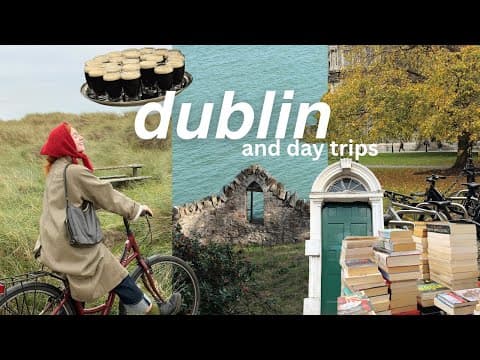

Photo by Emily Underworld on Unsplash
Edinburgh is one of the world's great cities for atmosphere — a brooding, dramatic, theatrical place built on volcanic rock, its Gothic skyline silhouetted against grey skies in a way that feels distinctly literary. The Scottish capital divides neatly between the medieval Old Town (climbing from the Royal Mile up to Edinburgh Castle) and the Georgian New Town (an 18th-century masterpiece of planned urban development), and the contrast between them encapsulates the city's layers of history. Edinburgh Castle, perched on the volcanic plug of Castle Rock above the city, contains the Scottish Crown Jewels and the Stone of Destiny. Holyroodhouse Palace at the other end of the Royal Mile is the Queen's official Scottish residence. In between, the Old Town's closes and wynds (narrow passages) conceal museums, whisky experiences, ghost tours and the graves of famous Scots. The Scottish National Museum on Chambers Street is free and excellent. Edinburgh's arts festivals — the Edinburgh Festival and Fringe (August) — constitute the world's largest arts festival, transforming the city for a month every year. The Hogmanay (New Year's) celebrations are legendary. The restaurant and bar scene has improved dramatically in the past decade: Scottish gin distilleries, excellent seafood, creative modern Scottish cooking. Day trips to the Highlands, St Andrews and the Borders are all accessible. Visit in August for the festival, or December for festive atmosphere with fewer crowds.




Photo by William Rudolph on Unsplash
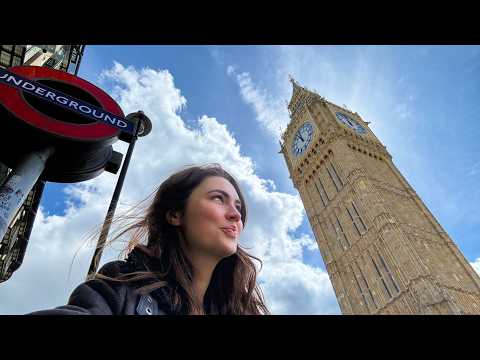
London is one of the world's most dynamic and culturally rich cities, straddling the Thames in the heart of England. Few cities can match its blend of ancient history and cutting-edge modernity — within a single afternoon you can stand in a medieval tower, explore a world-class contemporary art gallery and eat your way through a street food market representing every corner of the globe. The city's neighbourhoods each have a distinct personality. Shoreditch buzzes with creative energy and independent cafés; Notting Hill charms with pastel-painted terraces and the famous Portobello Road market; South Bank offers riverside walks, the Tate Modern and the Globe Theatre. Families gravitate toward the Science Museum and Natural History Museum, both free to enter, while history lovers lose themselves in the British Museum or the Tower of London. Transport is excellent — the Underground (the Tube) connects virtually everywhere, and the Oyster card system makes travel seamless. The best time to visit is May to September when the parks are at their finest and outdoor events fill the calendar. London rewards slow exploration: linger in a pub, watch the Changing of the Guard, or simply wander a canal towpath in Little Venice.