
Warsaw → Krakow → Prague
Start Warsaw → Krakow → Prague expecting famous sights, then stay for the way the atmosphere keeps changing. Warsaw → Krakow → Prague spans 7 days and works best when you let each stop reveal a different side of the trip. Food quietly carries the route too, because each stop gives you a different table, market, or café culture. Time in Warsaw means rebuilt old town streets, resilient history, and dynamic modern districts. Krakow brings castle views, atmospheric squares, deep history, and rewarding cafés. In Prague, expect Gothic spires, riverside views, beer halls, and fairy tale beauty. May to June and September to October are especially rewarding, with comfortable walking weather. It works well for couples, history lovers, rail travelers, and architecture fans. Good connections are a quiet strength here, making the route easier than many equally ambitious plans. To keep the route enjoyable, avoid overloading arrival days and save some energy for evenings. Even the smaller moments tend to land well here, which is usually the sign of a genuinely strong itinerary. Even shorter stays still feel worthwhile because each city gives you a quick, vivid sense of place. Neighborhood walks often become as valuable as the signature sights. Small local rituals such as coffee stops, market browsing, or a late viewpoint can shape the day beautifully. That blend of famous highlights and smaller discoveries is a big reason the route feels complete. It also stays flexible enough for different budgets and travel styles. Plan your Warsaw → Krakow → Prague trip today travelers often.
Plan this trip
Route pre-filled — set your origin, dates and budget
Photo by Konrad Nowacki on Unsplash
Warsaw is one of Europe's most compelling stories of resilience. The Polish capital was systematically destroyed by the Nazis during World War II — as much as 85% of the city was levelled — yet it was painstakingly rebuilt, and its Old Town is now a Unesco World Heritage Site, its pastel-coloured facades and cobblestone squares rebuilt brick by brick from historical records. The contrast between the reconstructed Old Town and the Soviet-era Palace of Culture and Science (a Stalin-era skyscraper that dominates the skyline) captures Warsaw's complicated history in architectural form. The Warsaw Uprising Museum is one of the most powerful and moving museums in Europe, a profound tribute to the 1944 uprising against Nazi occupation. The POLIN Museum of the History of Polish Jews, opened in 2013, is a world-class institution set on the former site of the Warsaw Ghetto. Beyond history, Warsaw is a rapidly modernising, youthful city with an excellent restaurant scene, vibrant nightlife and a strong café culture centred on speciality coffee. The Vistula riverfront has been transformed into a lively outdoor scene in summer. Warsaw is significantly more affordable than Western European capitals while offering comparable cultural depth. Visit in May–September for the best weather.

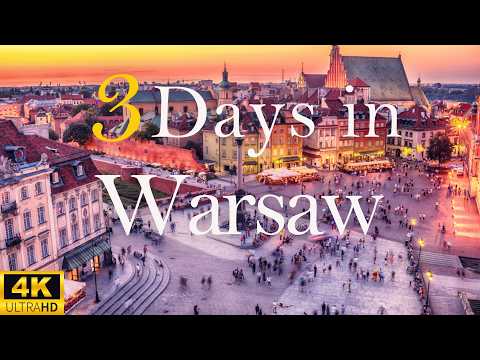
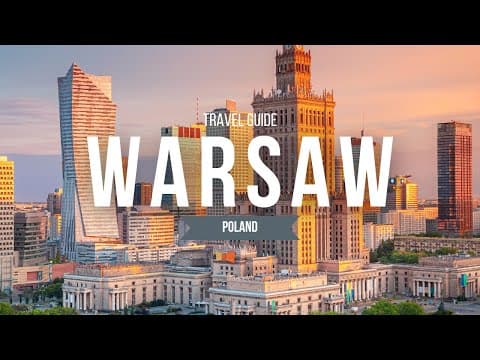

Photo by Konrad Nowacki on Unsplash
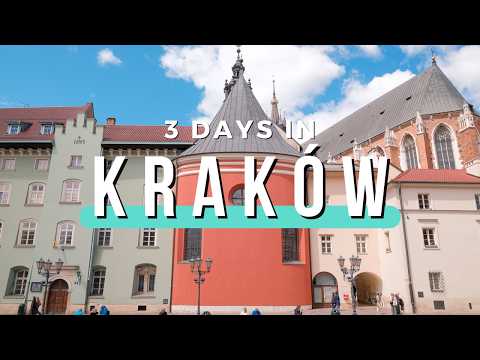
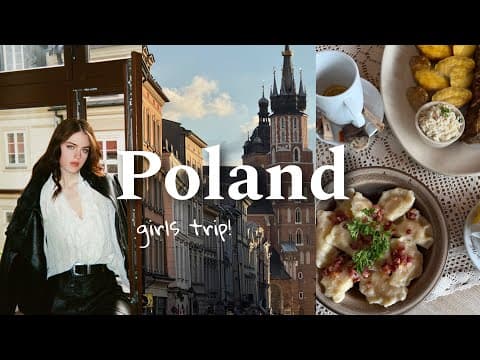
Krakow is Poland's most beautiful city — the medieval capital that escaped wartime destruction and emerged as one of Central Europe's finest historic centres. The Rynek Główny (Main Market Square) is the largest medieval square in Europe, surrounded by Gothic, Renaissance and Baroque architecture, with the extraordinary Cloth Hall (Sukiennice) running through its centre and St. Mary's Basilica presiding over one corner. The Royal Castle on Wawel Hill above the Vistula River was the seat of Polish kings for five centuries, and its cathedral, with its golden Sigismund Chapel, is the Westminster Abbey of Poland — every king and national hero buried within its walls. Leonardo da Vinci's Lady with an Ermine is in the Czartoryski Museum; the National Museum holds important collections of Polish art. The Jewish Quarter of Kazimierz, immortalised in Spielberg's Schindler's List (filmed here), has transformed from a neglected relic into one of Krakow's most vibrant neighbourhoods — synagogues, excellent restaurants, bars and cafés crowd its streets. Krakow is the obvious base for visiting Auschwitz-Birkenau Memorial (80km) — one of the most important and harrowing historical sites in Europe. The Wieliczka Salt Mine, a Unesco World Heritage site with underground chambers of extraordinary scale and artistry carved in salt, is 15km away. The food scene is excellent and very affordable. Spring and summer are the best times to visit.