

Warsaw is one of Europe's most compelling stories of resilience. The Polish capital was systematically destroyed by the Nazis during World War II — as much as 85% of the city was levelled — yet it was painstakingly rebuilt, and its Old Town is now a Unesco World Heritage Site, its pastel-coloured facades and cobblestone squares rebuilt brick by brick from historical records. The contrast between the reconstructed Old Town and the Soviet-era Palace of Culture and Science (a Stalin-era skyscraper that dominates the skyline) captures Warsaw's complicated history in architectural form. The Warsaw Uprising Museum is one of the most powerful and moving museums in Europe, a profound tribute to the 1944 uprising against Nazi occupation. The POLIN Museum of the History of Polish Jews, opened in 2013, is a world-class institution set on the former site of the Warsaw Ghetto. Beyond history, Warsaw is a rapidly modernising, youthful city with an excellent restaurant scene, vibrant nightlife and a strong café culture centred on speciality coffee. The Vistula riverfront has been transformed into a lively outdoor scene in summer. Warsaw is significantly more affordable than Western European capitals while offering comparable cultural depth. Visit in May–September for the best weather.
Plan your trip to Warsaw
Destination pre-filled — set your origin, dates and budget
Travel videos — Warsaw
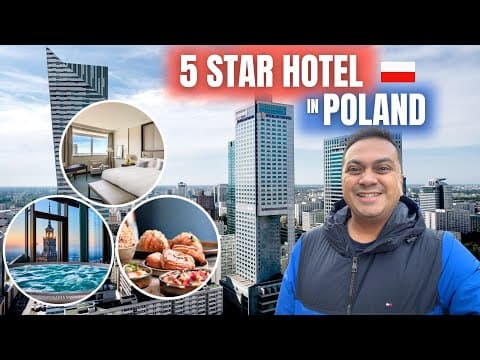
5-Star Luxury Hotel in Poland 🇵🇱 | Inside InterContinental Warsaw | Tech Travel Eat UK to Poland
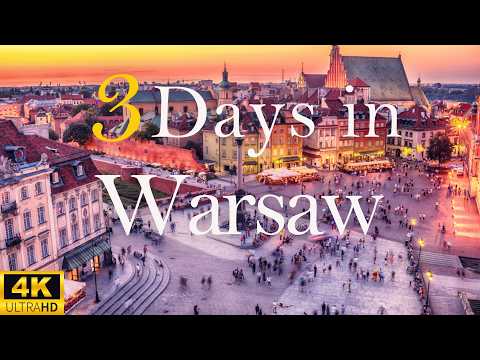
How To Spend 3 Days In WARSAW Poland | Travel Guide & Tips!
road trip around Poland (Warsaw, Kraków, Gdańsk, Zakopane)
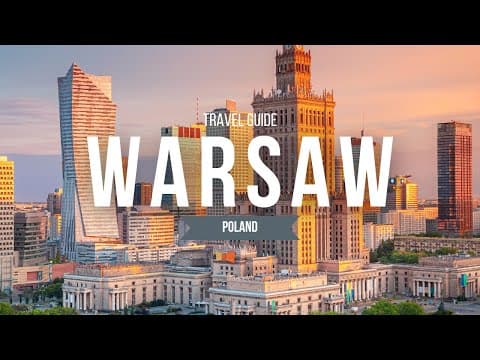
WARSAW - Discover The Best Things To Do In Poland's Capital - Travel Guide Warsaw
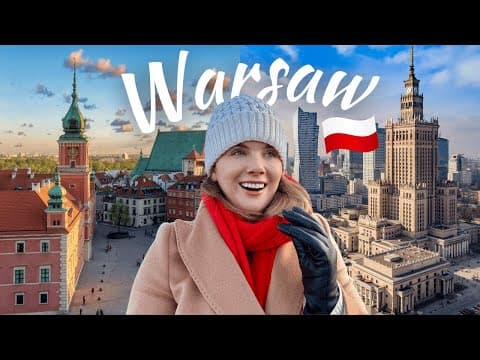
WARSAW WAS EVEN BETTER THAN I EXPECTED (especially the food!)
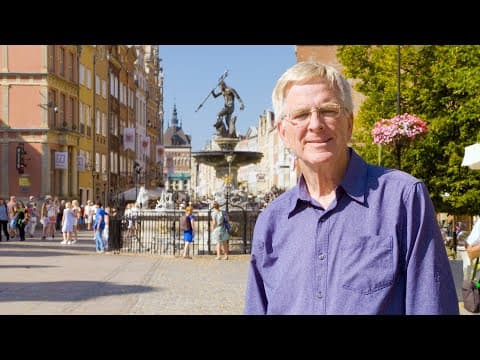
Poland’s Warsaw and Gdańsk
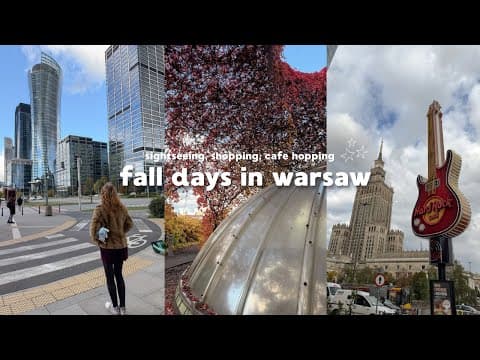
poland travel vlog🇵🇱 | a cozy week in warsaw, cafe hopping, shopping, skyline
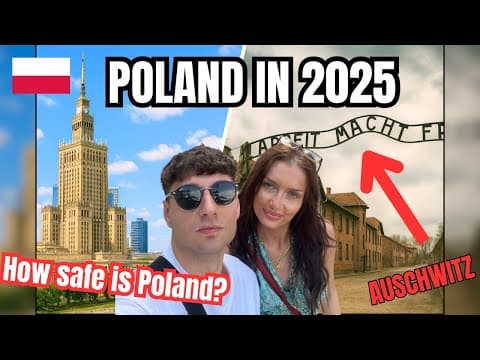
What Poland Is REALLY Like in 2025 – Warsaw, Kraków & Auschwitz Vlog 🇵🇱

Warsaw Vlog 🇵🇱 Model Off Duty | Food, Coffee & City Walks in Poland