

Thessaloniki → Ohrid → Tirana
On paper, Thessaloniki → Ohrid → Tirana looks efficient, but in practice it feels textured, layered, and full of payoff. Thessaloniki → Ohrid → Tirana spans 7 days and works best when you let each stop reveal a different side of the trip. Even with several stops, the rhythm remains comfortable for travelers who dislike rushed holidays. Time in Thessaloniki means waterfront sunsets, Byzantine heritage, and lively café culture. Ohrid brings a serene lake, church dotted hills, and peaceful Balkan beauty. In Tirana, expect colorful streets, lively squares, mountain views, and rising food culture. May, June, and September usually bring the best balance of pleasant weather and scenic travel. It suits curious travelers, backpackers, road trippers, and repeat Europe visitors. Good connections are a quiet strength here, making the route easier than many equally ambitious plans. To keep the route enjoyable, avoid overloading arrival days and save some energy for evenings. Even the smaller moments tend to land well here, which is usually the sign of a genuinely strong itinerary. Even shorter stays still feel worthwhile because each city gives you a quick, vivid sense of place. Neighborhood walks often become as valuable as the signature sights. Small local rituals such as coffee stops, market browsing, or a late viewpoint can shape the day beautifully. That blend of famous highlights and smaller discoveries is a big reason the route feels complete. It also stays flexible enough for different budgets and travel styles. Plan your Thessaloniki → Ohrid → Tirana trip today travelers often remember the small.
Plan this trip
Route pre-filled — set your origin, dates and budget
Photo by Lazarescu Alexandra on Unsplash
Thessaloniki is Greece's second city and arguably its most vibrant — a port city in northern Macedonia that has been a major urban centre since antiquity, successively ruled by Romans, Byzantines, Ottoman Turks and Greeks, each leaving monuments and cultural layers that make it one of the most historically rich cities in the Mediterranean world. The Byzantine monuments of Thessaloniki are a Unesco World Heritage ensemble — the Rotunda (a Roman mausoleum converted to a church), the Arch of Galerius, the Church of Hagia Sophia (predating its Istanbul namesake) and the extraordinary Basilica of Saint Demetrius (filled with ancient mosaics) are all within walking distance. The White Tower on the waterfront is the city's symbol. The Archaeological Museum holds treasures from ancient Macedonia, including finds from royal tombs of Philip II's era. The Ano Poli (Upper Town), the old Ottoman neighbourhood of wooden houses and winding lanes climbing the hills above the Byzantine walls, is one of the most atmospheric neighbourhoods in Greece. The city's food culture is exceptional — Thessaloniki makes a serious claim to being the food capital of Greece. Mezedes culture, bougatsa (custard pastry), trigona (pastry filled with cream) and an extraordinary variety of fresh fish and meat dishes are available in the tavernas around the Modiano Market. The nightlife is genuine and local. An excellent city any time of year.

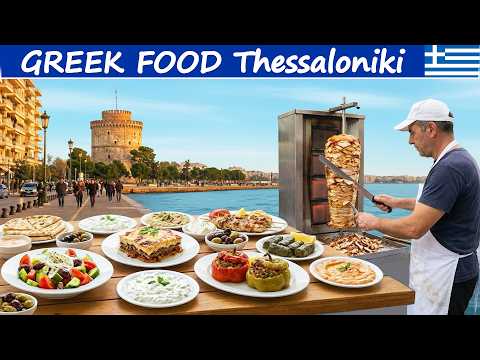


Photo by Tatjana Dimovska on Unsplash
Ohrid is North Macedonia's most treasured destination — a small city on the shores of Lake Ohrid (one of the oldest and deepest lakes in the world) that was for centuries the spiritual and cultural centre of the medieval Slavic world and is now a Unesco World Heritage Site of remarkable depth and beauty. The old town climbs steeply from the lakeside to Samuel's Fortress above, its lanes packed with Byzantine churches, medieval frescoes and vernacular Ottoman houses. The Church of Saint Sophia (11th century) contains some of the finest Byzantine frescoes in the Balkans. The Church of Saint John at Kaneo, perched on a cliff above the lake, is the most photographed scene in Macedonia — its position is breathtaking. The Plaošnik complex with the reconstructed Basilica of Saint Clement honours the 9th-century scholar-monk who invented the Cyrillic alphabet here. Lake Ohrid itself — over 300 metres deep, harbouring endemic species found nowhere else on Earth, crystal clear and stunningly beautiful — is the city's greatest natural asset. Swimming in the lake, boat trips to the springs of Saint Naum at the Albanian border, and cycling along the lake shore are summer highlights. Ohrid trout (pastrmka) and the lake's endemic eel are the great local delicacies. Ohrid is extraordinarily affordable and genuinely beautiful. Visit May–September for the best lake weather.




Photo by Seval Torun on Unsplash