
Naples → Amalfi → Rome
If you like travel that refuses to stay predictable, Naples → Amalfi → Rome makes a strong case for itself. Naples → Amalfi → Rome spans 7 days and works best when you let each stop reveal a different side of the trip. The overall energy stays lively, which makes the itinerary easy to stay engaged with. Naples adds historic grit, legendary pizza, local intensity, and southern character. Time in Amalfi means cliffside sea views, lemon scented streets, and iconic coastal scenery. Rome brings ancient ruins, grand piazzas, Vatican wonders, and unforgettable food. Late spring and early fall are usually the best seasons, with mild weather and long sightseeing days. It suits first time Europe visitors, couples, friends, and culture focused travelers. The travel days are controlled enough that the journey stays exciting instead of tiring. A useful rhythm is one headline sight and one neighborhood experience per day, then enough space for detours. That balance of contrast and continuity is what makes this kind of journey satisfying rather than rushed. Neighborhood walks often become as valuable as the signature sights. Small local rituals such as coffee stops, market browsing, or a late viewpoint can shape the day beautifully. That blend of famous highlights and smaller discoveries is a big reason the route feels complete. It also stays flexible enough for different budgets and travel styles. The itinerary leaves room for slower meals and unexpected favorites. Plan your Naples → Amalfi → Rome trip today travelers often remember the small moments most on a route like.
Plan this trip
Route pre-filled — set your origin, dates and budget
Photo by Jeremie Lavoipierre on Unsplash
Naples is Italy's most chaotic, exhilarating and misunderstood city. The southern Italian metropolis on the Bay of Naples — with Vesuvius looming behind and the islands of Capri and Ischia floating in the sea before — occupies one of the world's great natural settings, and its intensity of life, depth of history and culinary brilliance reward those willing to embrace the organised chaos. The historic centre, a Unesco World Heritage Site, contains one of the densest urban accumulations of ancient monuments, Baroque churches and underground Greek and Roman ruins anywhere in Europe. The Spaccanapoli — the arrow-straight street that literally splits Naples in two — is the city's spine. The National Archaeological Museum holds the finest collection of Roman art in the world, including extraordinary treasures from Pompeii and Herculaneum. Naples invented pizza, and the city's pizzerias — Sorbillo, Di Matteo, Starita — produce the definitive article: soft, charred, simple. Street food culture is deep: fried zeppole, cuoppo of mixed fried fish, sfogliatelle pastries. The underground city — catacombs, Greek water cisterns, tunnels — is endlessly fascinating. Day trips to Pompeii, Herculaneum, the Amalfi Coast and the islands are all easily managed from a Naples base. Spring and autumn are the best seasons.
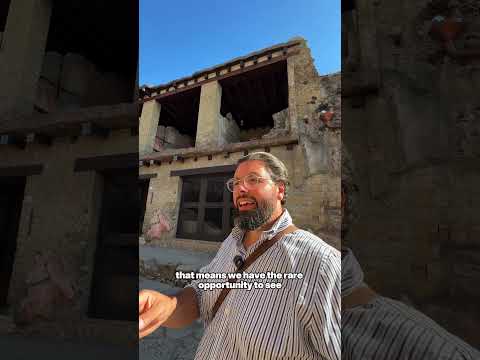
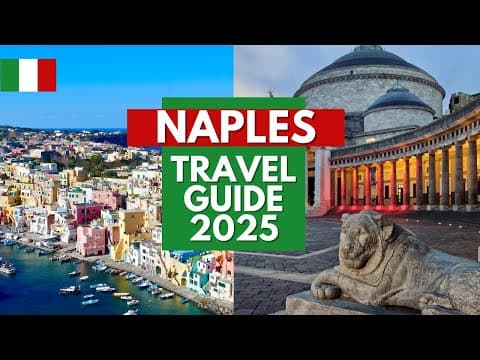


Photo by Kayle Kaupanger on Unsplash
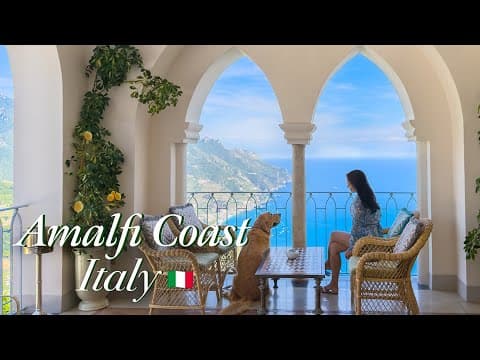
Amalfi is the most famous town on the Amalfi Coast — a medieval maritime republic that once commanded trade across the Mediterranean and is now a spectacularly situated cliff-side town squeezed between the sea and the vertical walls of the Lattari Mountains. The Cathedral of Sant'Andrea, with its striking Arab-Norman facade and striped campanile, presides over the central piazza just steps from the sea. The historic centre of Amalfi is tiny — its main square (Piazza del Duomo), the Cathedral staircase and the covered market are all within a few minutes' walk. But the pleasure of Amalfi lies in wandering the narrow lanes, climbing steep staircases through residential quarters, and discovering hidden gardens, ceramics workshops and lemon groves (the local sfusato Amalfitano lemon is the basis of excellent limoncello). The Paper Museum (Museo della Carta) in a medieval paper mill tells the story of Amalfi's 13th-century paper-making innovation. The boat trip to the Grotta dello Smeraldo (Emerald Grotto) — similar to Capri's Blue Grotto — is excellent. Day trips by ferry or boat along the coast to Positano, Ravello (the clifftop town with Villa Rufolo gardens) and Praiano are magnificent. The Drive of the Gods (Sentiero degli Dei) hiking path along the cliffs above Amalfi offers extraordinary views. The coast road connecting these towns is one of the world's most dramatic drives. Visit in May, June or October for the best experience — July and August are extremely crowded.
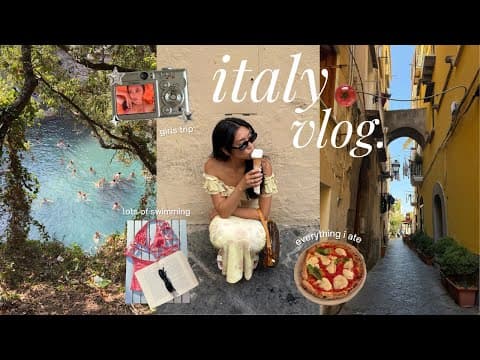


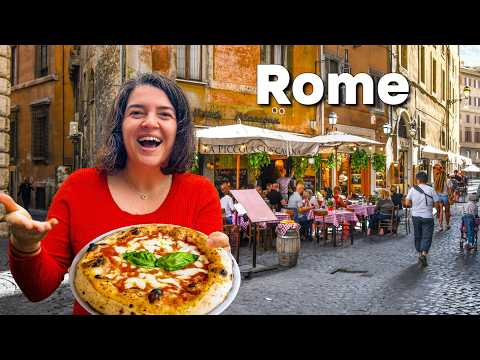
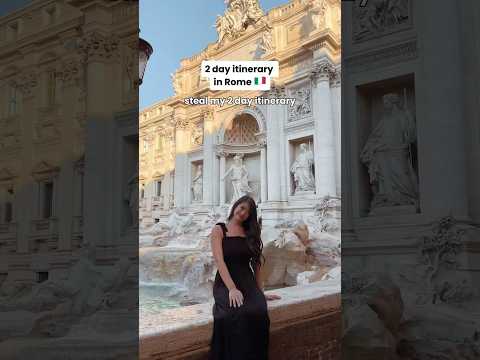
Rome is a city built on layers of history that span nearly three millennia. As the former heart of the Roman Empire and the continuing home of the Vatican, it carries a weight of significance unlike anywhere else on Earth. Yet daily life here unfolds with an effortless Italian ease — espresso at a standing bar, a passeggiata along cobbled streets, lingering lunches that stretch into the afternoon. The sights are staggering in their concentration. The Colosseum, Roman Forum and Palatine Hill occupy one corner of the city; the Pantheon, a perfectly preserved 2,000-year-old temple, sits in another. Toss a coin in the Trevi Fountain, climb the Spanish Steps, and wander through Piazza Navona at dusk. Vatican City, technically a separate state, holds St. Peter's Basilica and the Sistine Chapel — Michelangelo's ceiling remains one of humanity's greatest artistic achievements. Beyond the monuments, Rome's neighbourhoods are endlessly explorable. Trastevere enchants with ivy-clad buildings and intimate restaurants; Testaccio is the working-class foodie heartland; Prati offers elegant boulevards near the Vatican. Visit in spring or autumn to avoid summer's intense heat and peak crowds.