
Malta → Sicily → Naples
What gives Malta → Sicily → Naples its charm is not only the places, but the tempo created between them. Malta → Sicily → Naples spans 8 days and works best when you let each stop reveal a different side of the trip. From a practical point of view, it is a strong choice because the travel days stay manageable. Malta adds fortified towns, clear coves, layered history, and compact island variety. Time in Palermo means street markets, Arab Norman layers, grand churches, and Sicilian character. Naples brings historic grit, legendary pizza, local intensity, and southern character. Late spring and early autumn are ideal, bringing warm sea weather and easier sightseeing. This route is great for couples, food lovers, honeymooners, and travelers who want culture plus coast. The travel days are controlled enough that the journey stays exciting instead of tiring. A useful rhythm is one headline sight and one neighborhood experience per day, then enough space for detours. That balance of contrast and continuity is what makes this kind of journey satisfying rather than rushed. Neighborhood walks often become as valuable as the signature sights. Small local rituals such as coffee stops, market browsing, or a late viewpoint can shape the day beautifully. That blend of famous highlights and smaller discoveries is a big reason the route feels complete. It also stays flexible enough for different budgets and travel styles. The itinerary leaves room for slower meals and unexpected favorites. Plan your Malta → Sicily → Naples trip today travelers often remember the small moments.
Plan this trip
Route pre-filled — set your origin, dates and budget
Photo by Massimiliano Morosinotto on Unsplash
Malta is a tiny Mediterranean island nation — just 316 square kilometres — that has an extraordinary history of strategic significance. At various times ruled by Phoenicians, Romans, Arabs, Normans, Crusader Knights, Napoleon, and the British, it is one of the most archaeologically and historically rich places per square metre on Earth. The Maltese Islands received the George Cross in 1942 for withstanding the most intensive aerial bombing of World War II. The archipelago comprises three inhabited islands: Malta (the main island), Gozo (quieter, more rural) and Comino (uninhabited except for a hotel, famous for the Blue Lagoon). Valletta, the tiny capital (see separate entry), is a Baroque masterpiece. The ancient temples of Ġgantija on Gozo and Ħaġar Qim on Malta (5,500 years old, predating Stonehenge by 1,000 years, UNESCO World Heritage) are among the oldest freestanding stone structures on Earth. The Tarxien Temples and the Hypogeum (an underground Bronze Age necropolis, UNESCO) are equally significant. The Blue Grotto on the southern coast and the Dingli Cliffs on the west are the island's most dramatic natural features. The walled medieval city of Mdina is excellent (see separate entry). Maltese cuisine draws on Italian, North African and British influences: pastizzi (flaky pastry with ricotta or peas), bragioli (beef olives), fenek (rabbit stew) and excellent local wine. English is an official language alongside Maltese. October–May is the best time to visit; summer is very hot and crowded.
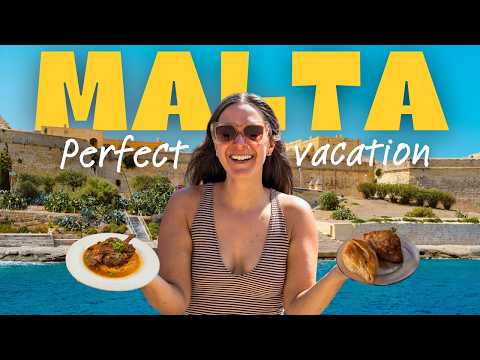
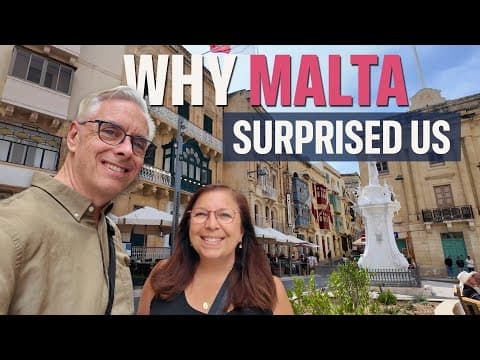
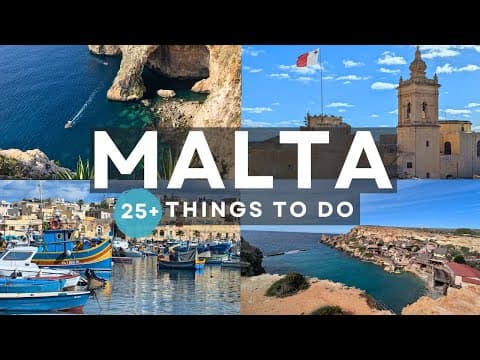

Photo by Daniel Carmona on Unsplash
Palermo, the capital of Sicily, is one of the most historically layered and visually overwhelming cities in the Mediterranean — a city where Norman Baroque churches stand next to Arab-Norman architecture, Byzantine mosaics cover the interiors of royal chapels, and the frenetic street markets (Ballarò, Vucciria, Capo) recall the Phoenician trading port this city once was. Nothing quite prepares you for Palermo. The Cappella Palatina (Palatine Chapel) in the Norman Palace is the absolute highlight — a room of such extraordinary Byzantine mosaic decoration (completed 1143) that it ranks among the most beautiful interiors in the world. The Cathedral, the La Martorana church (with its remarkable 12th-century mosaics), the Church of San Cataldo and the Cathedral of Monreale (a short bus trip from the city, with the largest Byzantine mosaic cycle after Istanbul) form a Norman Baroque UNESCO World Heritage ensemble. The Ballarò street market is the largest and most intense in Palermo — a sensory explosion of street food (arancini, sfincione pizza, pane e panelle, stigghiola offal), raw ingredients and voices that is genuinely overwhelming. The Vucciria, once the city's most famous market, is now more atmospheric than commercial — it comes alive again at night as a street party. Palermo's cuisine, reflecting Arab, Norman, Spanish and Italian influences, is among the most distinctive in Italy.
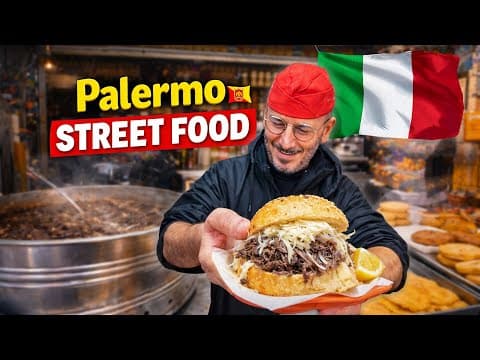
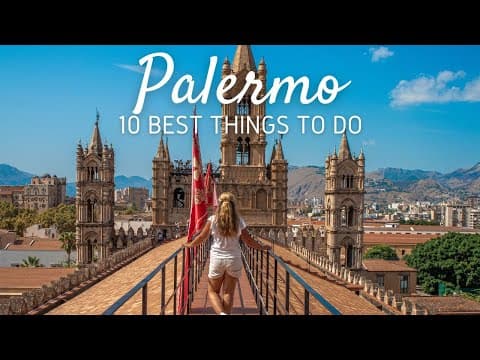

Photo by Jeremie Lavoipierre on Unsplash
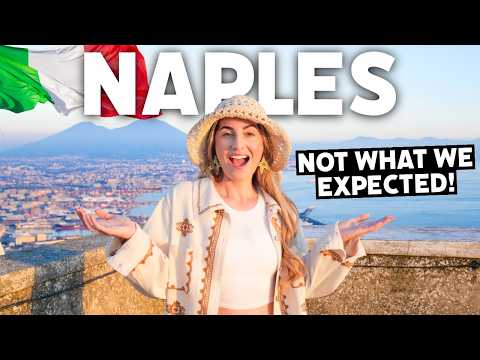
Naples is Italy's most chaotic, exhilarating and misunderstood city. The southern Italian metropolis on the Bay of Naples — with Vesuvius looming behind and the islands of Capri and Ischia floating in the sea before — occupies one of the world's great natural settings, and its intensity of life, depth of history and culinary brilliance reward those willing to embrace the organised chaos. The historic centre, a Unesco World Heritage Site, contains one of the densest urban accumulations of ancient monuments, Baroque churches and underground Greek and Roman ruins anywhere in Europe. The Spaccanapoli — the arrow-straight street that literally splits Naples in two — is the city's spine. The National Archaeological Museum holds the finest collection of Roman art in the world, including extraordinary treasures from Pompeii and Herculaneum. Naples invented pizza, and the city's pizzerias — Sorbillo, Di Matteo, Starita — produce the definitive article: soft, charred, simple. Street food culture is deep: fried zeppole, cuoppo of mixed fried fish, sfogliatelle pastries. The underground city — catacombs, Greek water cisterns, tunnels — is endlessly fascinating. Day trips to Pompeii, Herculaneum, the Amalfi Coast and the islands are all easily managed from a Naples base. Spring and autumn are the best seasons.