

Malta is a tiny Mediterranean island nation — just 316 square kilometres — that has an extraordinary history of strategic significance. At various times ruled by Phoenicians, Romans, Arabs, Normans, Crusader Knights, Napoleon, and the British, it is one of the most archaeologically and historically rich places per square metre on Earth. The Maltese Islands received the George Cross in 1942 for withstanding the most intensive aerial bombing of World War II. The archipelago comprises three inhabited islands: Malta (the main island), Gozo (quieter, more rural) and Comino (uninhabited except for a hotel, famous for the Blue Lagoon). Valletta, the tiny capital (see separate entry), is a Baroque masterpiece. The ancient temples of Ġgantija on Gozo and Ħaġar Qim on Malta (5,500 years old, predating Stonehenge by 1,000 years, UNESCO World Heritage) are among the oldest freestanding stone structures on Earth. The Tarxien Temples and the Hypogeum (an underground Bronze Age necropolis, UNESCO) are equally significant. The Blue Grotto on the southern coast and the Dingli Cliffs on the west are the island's most dramatic natural features. The walled medieval city of Mdina is excellent (see separate entry). Maltese cuisine draws on Italian, North African and British influences: pastizzi (flaky pastry with ricotta or peas), bragioli (beef olives), fenek (rabbit stew) and excellent local wine. English is an official language alongside Maltese. October–May is the best time to visit; summer is very hot and crowded.
Plan your trip to Malta
Destination pre-filled — set your origin, dates and budget
Travel videos — Malta
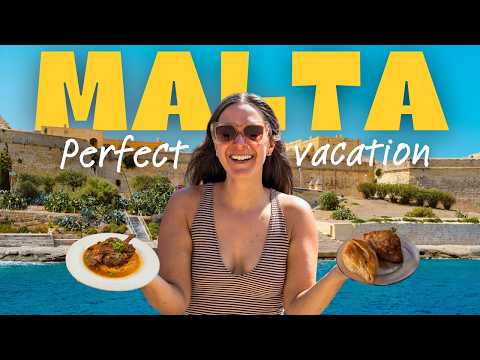
4 Days in Malta! The Best Kept Secret in the Mediterranean (Travel Guide)
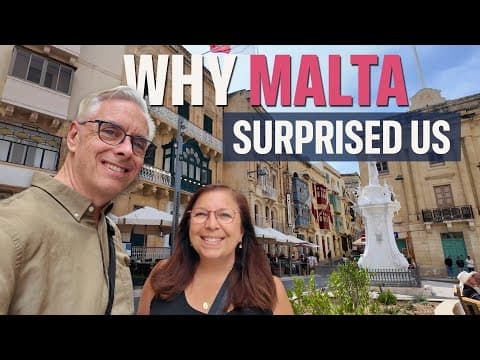
Is Malta Europe’s Most Overlooked Destination?
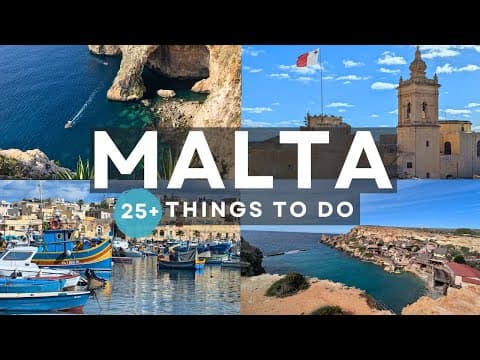
25+ Best Places to Visit in Malta - 4K Malta Travel Guide

MALTA TRAVEL VLOG 🇲🇹 | 5 Days in Malta & Gozo | Complete Malta Itinerary

Malta Vlog: Best Travel Guide & Things To Do to Visit Malta
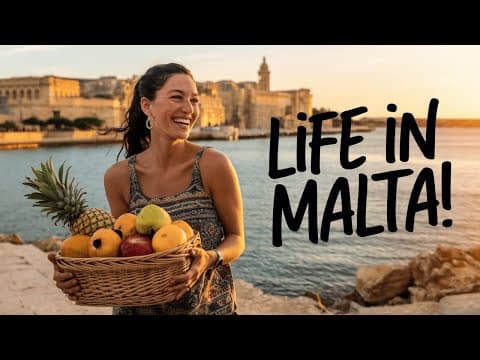
Living in Malta: Expat Life, Local Culture & What to Expect.
my 3 day itinerary for malta | #europetravel #maltatravel #travelvlog

MALTA Travel Guide 🇲🇹 Best Towns & Attractions
Our first time in Malta (travel tips + history + booze)