
Copenhagen → Stockholm → Oslo
The smartest reason to choose Copenhagen → Stockholm → Oslo is simple: the sequence itself makes the trip better. Copenhagen → Stockholm → Oslo spans 9 days and works best when you let each stop reveal a different side of the trip. It has enough variety to please adventurous travelers, but enough structure to stay easy. Copenhagen brings design, bike culture, harbor life, and calm Scandinavian style. In Stockholm, expect island views, elegant waterfronts, museums, and polished Nordic cool. Oslo adds fjord access, contemporary architecture, and a quietly outdoorsy feel. Summer is easiest for long daylight hours and scenic travel, while winter suits snow lovers. It is ideal for design lovers, outdoor minded travelers, families, and couples. Because the transfers are manageable, the route keeps its momentum without wasting too many hours in transit. Book the biggest attractions and the key transport segments in advance if you are traveling during busy weeks. What stays with most travelers is not just the landmarks but the changing texture of each day. Neighborhood walks often become as valuable as the signature sights. Small local rituals such as coffee stops, market browsing, or a late viewpoint can shape the day beautifully. That blend of famous highlights and smaller discoveries is a big reason the route feels complete. It also stays flexible enough for different budgets and travel styles. The itinerary leaves room for slower meals and unexpected favorites. Plan your Copenhagen → Stockholm → Oslo trip today travelers often remember the small moments most on a route like this and.
Plan this trip
Route pre-filled — set your origin, dates and budget
Copenhagen is one of the world's most liveable and consistently innovative cities. The Danish capital has defined Scandinavian design, New Nordic cuisine, sustainable urban planning and a quality of life that the rest of the world has spent decades attempting to replicate. And beneath all the carefully curated excellence is a city of genuine warmth, excellent food and an ability to enjoy life that makes it one of Europe's most appealing destinations. Nyhavn — the 17th-century waterfront canal lined with brightly coloured townhouses and sailing ships — is the city's most iconic image, and while it is genuinely beautiful, it represents only the beginning of what Copenhagen offers. Tivoli Gardens, the historic amusement park in the heart of the city, is genuinely enchanting even without children. The National Museum, SMK (National Gallery), and the Design Museum are all excellent. Freetown Christiania, the alternative commune in Christianshavn, is one of Europe's most fascinating social experiments. The food scene is extraordinary. Noma changed the world of fine dining when it opened in 2003, and its influence on Danish cuisine has created an ecosystem of excellent restaurants, bakeries and food markets. Smørrebrød (open-faced sandwiches) done well is a culinary education. The cycling infrastructure is the finest in the world. Day trips to Helsingør (Hamlet's castle), Roskilde and the Louisiana Museum of Modern Art are excellent. Visit May–September for the best weather.

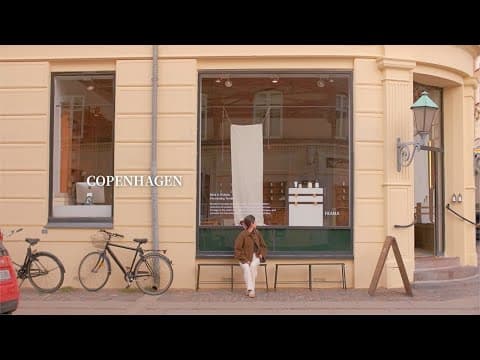
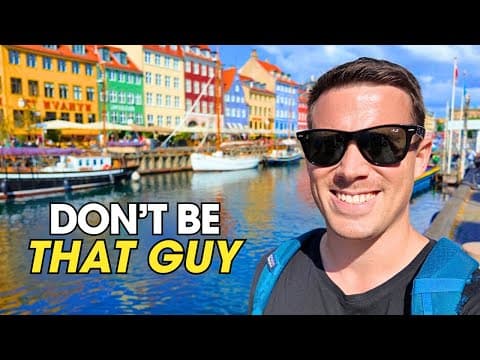

Photo by Sourav Bhaduri on Unsplash
Stockholm is one of the world's most beautiful capitals — a city built on 14 islands where Lake Mälaren meets the Baltic Sea, creating a cityscape of water, bridges, parks and elegant architecture at every turn. The Swedish capital combines exceptional natural beauty with world-class design, one of Europe's finest music scenes and a quality of life that makes it consistently one of the most desirable cities in the world to live in. Gamla Stan (Old Town) is the medieval island heart of the city — cobblestone streets, the Royal Palace (the world's largest palace still used as a royal residence), the Nobel Museum and excellent restaurants. Södermalm is the bohemian island to the south, dense with independent design shops, coffee roasters and vintage stores. Djurgården is the green island to the east, home to the extraordinary Vasa Museum (a 17th-century warship preserved almost perfectly after sinking in Stockholm Harbour in 1628) and the excellent Skansen open-air museum. Swedish design culture — clean lines, natural materials, honest craftsmanship — is visible everywhere, from the furniture shops to the architecture to the way the city is planned. The archipelago outside Stockholm (30,000 islands) is one of Scandinavia's finest destinations in summer, accessible by ferry. Midsummer (late June) is Sweden's most important festival. Stockholm is expensive but genuinely excellent, and the long summer days at this latitude make July–August magical.
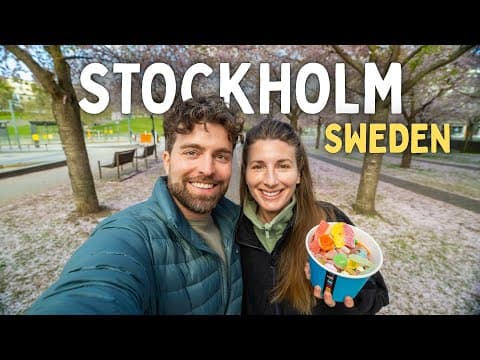


Photo by Darya Tryfanava on Unsplash
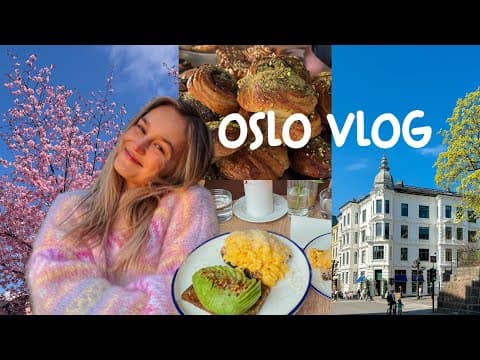
Oslo is Norway's capital and the entry point to one of the world's most spectacular natural environments. The city sits at the head of the Oslofjord, surrounded by forested hills and within easy reach of dramatic mountain and fjord scenery. It is a compact, manageable city with world-class museums, a rapidly evolving food scene and the kind of clean, ordered efficiency that characterises Scandinavian cities at their best. The Viking Ship Museum on the Bygdøy peninsula houses extraordinarily well-preserved 9th-century Viking ships discovered in burial mounds — an absolute must. Nearby, the Norwegian Maritime Museum, the Fram Museum (exploring ship from polar expeditions) and the Kon-Tiki Museum cluster together. The Munch Museum, which moved to a stunning new waterfront building in 2021, holds the world's largest collection of Edvard Munch's work, including multiple versions of The Scream. The National Museum, reopened in 2022 in a spectacular new building, is now the Nordic region's largest art museum. Akershus Fortress, a 13th-century castle on the harbour, offers excellent views. The Vigeland Park, with Gustav Vigeland's extraordinary bronze and granite sculpture installation, is free and unmissable. The Aker Brygge waterfront area and the Tjuvholmen neighbourhood are the best for contemporary architecture, restaurants and bars. Oslo is very expensive; the food trucks and street food markets offer better value. Visit in June–August for the midnight sun experience.