

Oslo is Norway's capital and the entry point to one of the world's most spectacular natural environments. The city sits at the head of the Oslofjord, surrounded by forested hills and within easy reach of dramatic mountain and fjord scenery. It is a compact, manageable city with world-class museums, a rapidly evolving food scene and the kind of clean, ordered efficiency that characterises Scandinavian cities at their best. The Viking Ship Museum on the Bygdøy peninsula houses extraordinarily well-preserved 9th-century Viking ships discovered in burial mounds — an absolute must. Nearby, the Norwegian Maritime Museum, the Fram Museum (exploring ship from polar expeditions) and the Kon-Tiki Museum cluster together. The Munch Museum, which moved to a stunning new waterfront building in 2021, holds the world's largest collection of Edvard Munch's work, including multiple versions of The Scream. The National Museum, reopened in 2022 in a spectacular new building, is now the Nordic region's largest art museum. Akershus Fortress, a 13th-century castle on the harbour, offers excellent views. The Vigeland Park, with Gustav Vigeland's extraordinary bronze and granite sculpture installation, is free and unmissable. The Aker Brygge waterfront area and the Tjuvholmen neighbourhood are the best for contemporary architecture, restaurants and bars. Oslo is very expensive; the food trucks and street food markets offer better value. Visit in June–August for the midnight sun experience.
Plan your trip to Oslo
Destination pre-filled — set your origin, dates and budget
Travel videos — Oslo

2 DAYS Across NORWAY By Train (Norway in a Nutshell)

weekend in oslo | food spots, thrifting & exploring the city
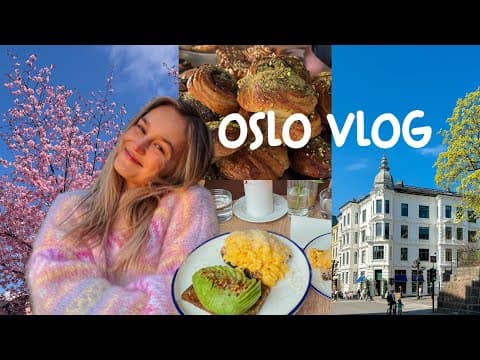
oslo vlog! my favorite cafes & shops, working on my brand
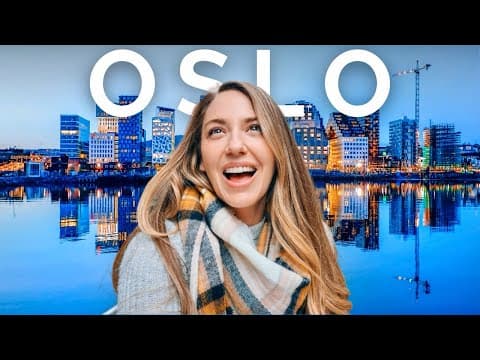
Spending 48 AMAZING Hours in OSLO 🇳🇴 First time in NORWAY!

How to spend 12 hours in Oslo, Norway 🇳🇴 #norway
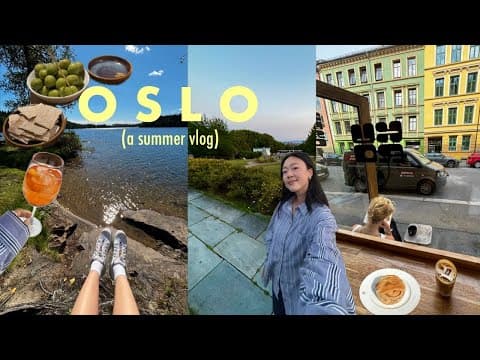
My solo summer trip to Oslo 🇳🇴 (first time in Norway!)
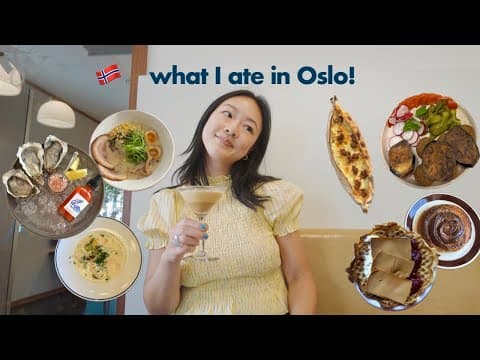
EVERYTHING I ate in OSLO, NORWAY 🇳🇴 | the BEST seafood, baked goods, and budget eats!

Norwegian Food Tour in Oslo, Norway: Ultimate Guide 🇳🇴

4 Days in Oslo 🇳🇴 Alone: The Things I’ve Learned About Norwegians...Very Interesting!!!