
Belgrade → Sarajevo → Dubrovnik
Start Belgrade → Sarajevo → Dubrovnik expecting famous sights, then stay for the way the atmosphere keeps changing. Belgrade → Sarajevo → Dubrovnik spans 8 days and works best when you let each stop reveal a different side of the trip. The scenery keeps changing just enough to stop the trip from ever feeling repetitive. In Belgrade, expect fortress views, river energy, creative grit, and strong nightlife. Sarajevo adds Ottoman layers, mountain scenery, heartfelt history, and warm hospitality. Time in Dubrovnik means city walls, marble lanes, Adriatic views, and cinematic old town drama. May, June, and September usually bring the best balance of pleasant weather and scenic travel. It suits curious travelers, backpackers, road trippers, and repeat Europe visitors. That smooth progression matters, because it lets the itinerary feel full rather than fragmented. Comfortable shoes, flexible mornings, and room for spontaneous meals will improve this trip more than overplanning every hour. By the end, the route usually feels larger and richer than its map first suggests. It also stays flexible enough for different budgets and travel styles. The itinerary leaves room for slower meals and unexpected favorites. Even shorter stays still feel worthwhile because each city gives you a quick, vivid sense of place. Neighborhood walks often become as valuable as the signature sights. Small local rituals such as coffee stops, market browsing, or a late viewpoint can shape the day beautifully. Plan your Belgrade → Sarajevo → Dubrovnik trip today travelers often remember the small moments most on a route like this and that keeps.
Plan this trip
Route pre-filled — set your origin, dates and budget
Photo by Mihail Ilchov on Unsplash
Belgrade is one of Europe's most vibrant and underrated nightlife capitals, a Balkan city of fierce pride, turbulent history, exceptional food and a hedonistic energy that has earned it a devoted following among travellers who value authentic urban experience over polished tourist infrastructure. The Belgrade Fortress (Kalemegdan) stands at the confluence of the Sava and Danube rivers, its walls enclosing a park where locals gather at sunset for some of the finest river views in the region. The Knez Mihailova pedestrian street runs from Kalemegdan through the heart of the upper city toward the Republic Square. The National Museum (recently reopened after a two-decade renovation) houses an excellent collection of Serbian art and archaeological finds. The Church of Saint Sava, one of the largest Orthodox churches in the world, dominates the Vračar plateau. The Skadarlija neighbourhood — a cobblestone street of 19th-century taverns (kafanas) with live Serbian folk music and excellent grilled meats — is the city's most atmospheric dining area. The floating nightclubs (splavovi) on the Sava and Danube rivers are uniquely Belgrade. Ada Ciganlija, the river island turned recreational peninsula, draws the entire city for swimming and sports in summer. Serbian cuisine — ćevapi, pljeskavica, roasted lamb, ajvar relish — is hearty and excellent. Belgrade is very affordable and welcoming.
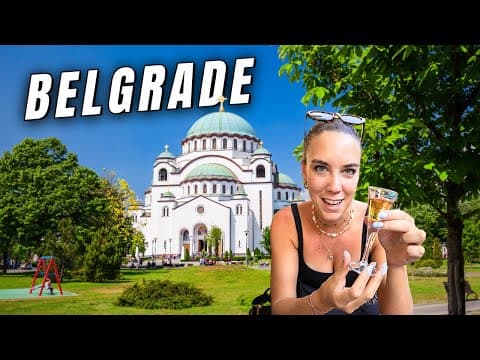
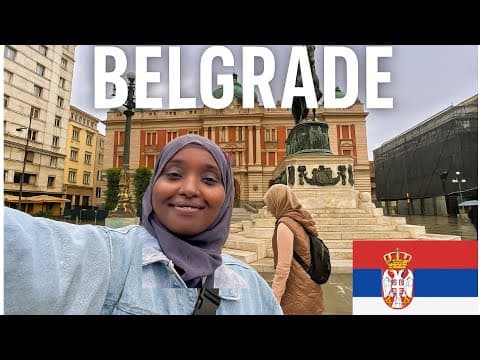


Photo by Timur Can Şentürk on Unsplash
Sarajevo is one of Europe's most remarkable cities — a place where East meets West in the most literal sense, where the Ottoman, Austro-Hungarian and socialist Yugoslav layers of history are physically visible within a few hundred metres of each other, and where a city that endured a devastating siege in the 1990s has emerged with extraordinary resilience and warmth. The Baščaršija (old bazaar), the Ottoman heart of the city, is the obvious starting point — its coppersmith's alley (Kazandžiluk), the Gazi Husrev-beg Mosque and the Sebilj fountain create a neighbourhood that feels genuinely Middle Eastern. A ten-minute walk away, the Austro-Hungarian Vijećnica (City Hall), restored after being shelled during the siege, and the Latin Bridge (where Archduke Franz Ferdinand was assassinated in 1914, triggering World War I) represent a completely different historical layer. The Tunnel Museum, in the Butmir neighbourhood, tells the extraordinary story of the underground tunnel that sustained the city during the 1992–1995 siege. Sarajevo's café culture, the smell of ćevapi and fresh bread from the Buregdžinica shops, and the call to prayer from dozens of minarets create a sensory atmosphere found nowhere else in Europe. The city is surrounded by mountains — ski resorts used for the 1984 Winter Olympics are 30 minutes away. Accommodation and food are very affordable. May–September is the best time to visit.



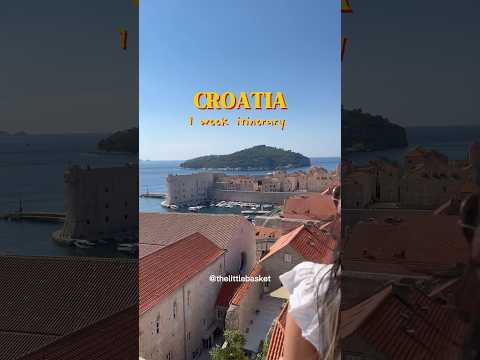
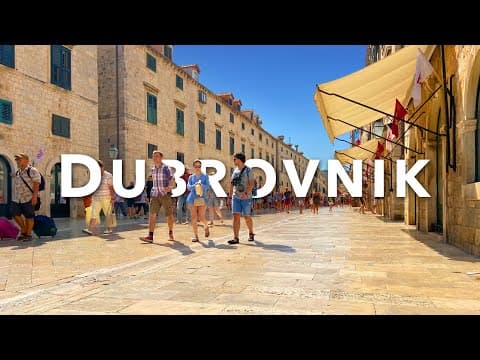
Dubrovnik is one of the most dramatically beautiful cities in the world — the "Pearl of the Adriatic," as Byron called it, a perfectly preserved medieval walled city on a limestone promontory above the impossibly blue Adriatic Sea. Its walls, towers, marble-paved streets and Renaissance architecture make it extraordinary under any circumstances; the light and setting elevate it to something almost unreasonable. Walking the 2-kilometre City Walls (a full circuit takes about 2 hours) is the defining Dubrovnik experience — views from the walls look down over terracotta rooftops to the sea on one side and the limestone Dinaric Alps on the other. The Stradun (Placa), the main street running through the old city, is flanked by Baroque palaces, churches and cafés. The Rector's Palace, Sponza Palace, Dominican Monastery with its Gothic cloister and the Franciscan Monastery (with its 14th-century pharmacy, one of Europe's oldest) are all worth entering. Game of Thrones filming (Dubrovnik was King's Landing) has significantly increased visitor numbers — cable car queues and the walls can be very crowded in July and August. The off-season (October–May) is dramatically better for experiencing the city's genuine magic. The Elafiti Islands, Lokrum (a short ferry ride) and the Pelješac Peninsula wine region (excellent Dingač and Pošip) are all excellent nearby destinations. Cable car to Mount Srđ for panoramic views is essential.