

Sarajevo is one of Europe's most remarkable cities — a place where East meets West in the most literal sense, where the Ottoman, Austro-Hungarian and socialist Yugoslav layers of history are physically visible within a few hundred metres of each other, and where a city that endured a devastating siege in the 1990s has emerged with extraordinary resilience and warmth. The Baščaršija (old bazaar), the Ottoman heart of the city, is the obvious starting point — its coppersmith's alley (Kazandžiluk), the Gazi Husrev-beg Mosque and the Sebilj fountain create a neighbourhood that feels genuinely Middle Eastern. A ten-minute walk away, the Austro-Hungarian Vijećnica (City Hall), restored after being shelled during the siege, and the Latin Bridge (where Archduke Franz Ferdinand was assassinated in 1914, triggering World War I) represent a completely different historical layer. The Tunnel Museum, in the Butmir neighbourhood, tells the extraordinary story of the underground tunnel that sustained the city during the 1992–1995 siege. Sarajevo's café culture, the smell of ćevapi and fresh bread from the Buregdžinica shops, and the call to prayer from dozens of minarets create a sensory atmosphere found nowhere else in Europe. The city is surrounded by mountains — ski resorts used for the 1984 Winter Olympics are 30 minutes away. Accommodation and food are very affordable. May–September is the best time to visit.
Plan your trip to Sarajevo
Destination pre-filled — set your origin, dates and budget
Travel videos — Sarajevo
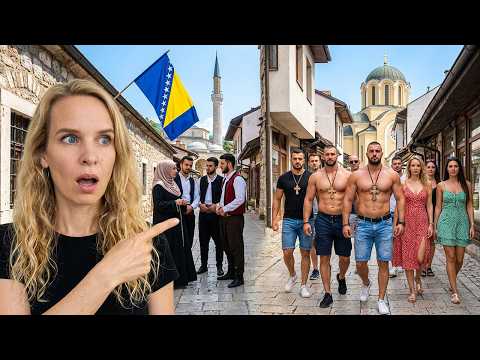
Nobody Told Us Bosnia Is Like This
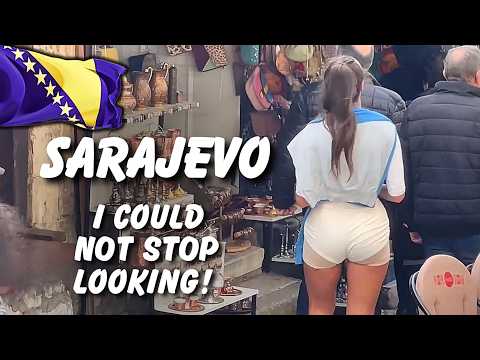
Life in SARAJEVO! - The City of The MOST BEAUTIFUL Women and PRISTINE NATURE - FULL DOCUMENTARY VLOG
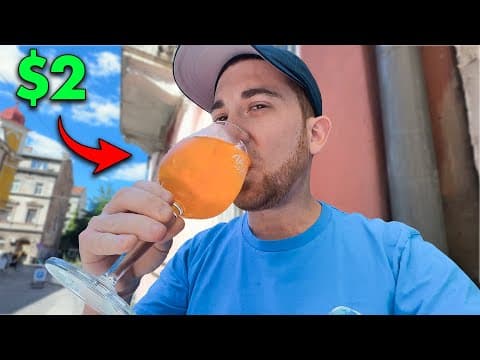
What Can $10 Get in Bosnia?
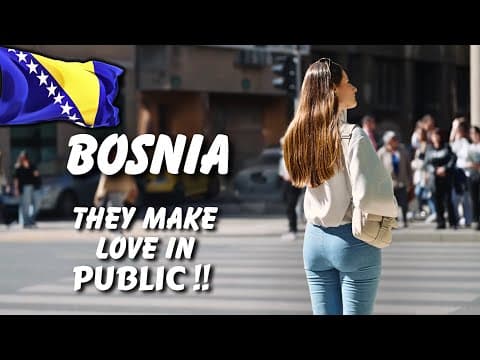
Life in SARAJEVO! - Land of EXTREMELY BEAUTIFUL Women and PRESTINE NATURE - BOSNIA DOCUMENTARY VLOG
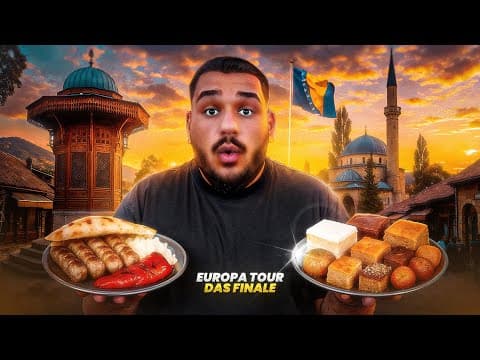
FOODTOUR DURCH SARAJEVO 🇧🇦 (Das LECKERSTE ESSEN meines LEBENS?!) 😍 | EuropaTour 1.0 - Bosnien

A City that changed the Geography | Shocking History of Bosnia and Herzegovina

Bosnia's Capital SHOCKED US! This is Sarajevo...
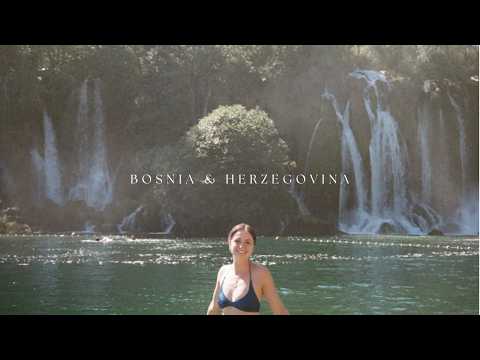
exploring mostar & sarajevo | solo backpacking the balkans no.4

Sarajevo Bosnia Travel Guide: BEST Things To Do in Sarajevo Vlog 4K