
Barcelona → Marseille → Nice → Monaco
The smartest reason to choose Barcelona → Marseille → Nice → Monaco is simple: the sequence itself makes the trip better. Barcelona → Marseille → Nice → Monaco spans 10 days and works best when you let each stop reveal a different side of the trip. The overall energy stays lively, which makes the itinerary easy to stay engaged with. Barcelona adds Gaudí architecture, tapas culture, beach access, and creative Mediterranean energy. Time in Marseille means port city energy, seafood culture, coastal grit, and historic quarters. Nice brings Riviera sunshine, seaside promenades, colorful lanes, and polished coastal style. In Monaco, expect luxury marinas, glamorous views, casinos, and Riviera polish. Late spring and early autumn are ideal, bringing warm sea weather and easier sightseeing. This route is great for couples, food lovers, honeymooners, and travelers who want culture plus coast. The travel days are controlled enough that the journey stays exciting instead of tiring. A useful rhythm is one headline sight and one neighborhood experience per day, then enough space for detours. That balance of contrast and continuity is what makes this kind of journey satisfying rather than rushed. That blend of famous highlights and smaller discoveries is a big reason the route feels complete. It also stays flexible enough for different budgets and travel styles. The itinerary leaves room for slower meals and unexpected favorites. Even shorter stays still feel worthwhile because each city gives you a quick, vivid sense of place. Plan your Barcelona → Marseille → Nice → Monaco trip today travelers often remember the small moments.
Plan this trip
Route pre-filled — set your origin, dates and budget
Photo by Ansar Naib on Unsplash
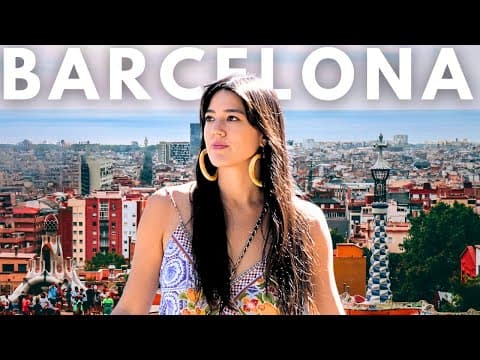
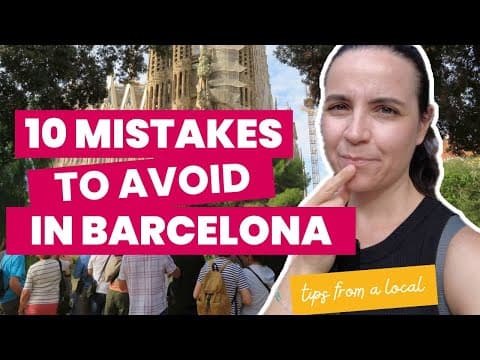
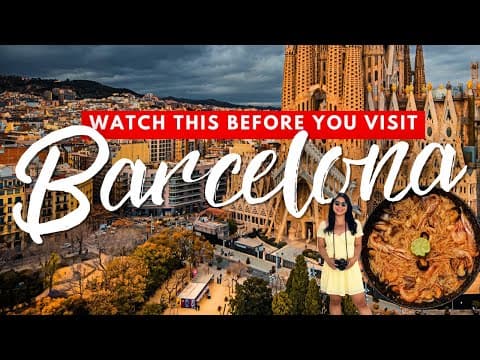
Barcelona, the capital of Catalonia on Spain's northeastern Mediterranean coast, is one of Europe's most seductive cities. It manages the rare trick of being simultaneously a great beach destination and a world-class cultural capital, all wrapped up in a walkable, vibrant urban environment. Antoni Gaudí's architectural genius defines the city's skyline. The Sagrada Família — his extraordinary unfinished basilica — is unlike any other building on the planet, while Park Güell, Casa Batlló and Casa Milà demonstrate his uncanny ability to make architecture feel organic and alive. Beyond Gaudí, the Gothic Quarter's medieval labyrinth of lanes conceals Roman ruins, independent boutiques and some of the city's best tapas bars. The city's beach, stretching along Barceloneta, was largely created for the 1992 Olympics and remains a hub for locals and visitors alike. Las Ramblas, despite being the city's most tourist-heavy thoroughfare, still has an undeniable energy at any hour. El Born and Gràcia offer a more local pace — craft cocktail bars, design shops and excellent restaurants. Barcelona's food scene, from market stalls in La Boqueria to avant-garde tasting menus, is reason enough to visit. The best months are May, June, September and October.

Marseille is France's oldest city and its most misunderstood. Founded by Greek sailors in 600 BC at a natural harbour on the Mediterranean coast, it has always been a port city and a city of immigrants — and that identity, messy and vivid and gloriously multicultural, is exactly what makes it so compelling to those who give it a chance. The Vieux-Port (Old Harbour) remains the beating heart of the city, lined with fish restaurants and bouillabaisse specialists — the local saffron-scented fish stew is a religious experience when made properly. The Notre-Dame de la Garde basilica perches on the city's highest hill, offering spectacular views of the city, the harbour and the Mediterranean islands. The MUCEM (Museum of European and Mediterranean Civilisations) is a spectacular contemporary building on the harbour with excellent exhibitions. Beyond the centre, Marseille rewards adventurous exploration. The Calanques — dramatic white limestone fjords accessible by foot, kayak or boat — are among the most beautiful natural features on the French Riviera. The Estaque neighbourhood, where Cézanne and Braque developed Cubism, retains an authentic village atmosphere. The vibrant North African and Middle Eastern community in Belsunce and Noailles adds extraordinary food markets and street food. Visit in spring or autumn; the Mistral wind can make winter uncomfortable.

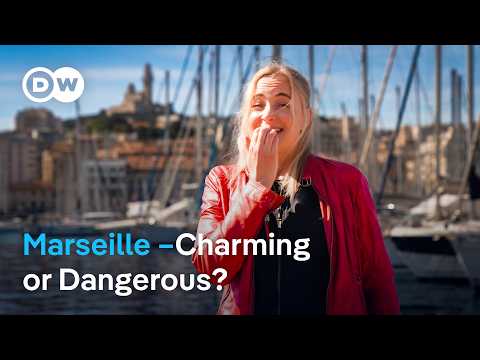

Photo by Dominik Puskas on Unsplash
Nice is the capital of the French Riviera and one of the great Mediterranean cities — a place where Italian and French influences blend under brilliant southern light, producing a culture of outdoor living, excellent food and a strong independent identity. The city was part of the Kingdom of Sardinia until 1860, and its Italianate architecture, especially in the Vieux-Nice quarter, reflects that history. The Promenade des Anglais, the wide boulevard running for 7 kilometres along the Baie des Anges, is Nice's great civic space — used for running, cycling, strolling and sunbathing throughout the year. The beach (pebble rather than sand) below it is where the whole city comes on warm days. The Vieux-Nice neighbourhood, with its bright orange and ochre buildings, narrow streets and excellent markets (Cours Saleya is superb in the morning), is endlessly explorable. Nice's cultural scene exceeds expectations. The Musée Matisse and the Musée National Marc Chagall both sit in beautiful hilltop settings. The Colline du Château offers panoramic views over the city and harbour. Nearby Monaco is 20 minutes by train; Eze, Antibes, Cannes and the Provençal hinterland are all easy day trips. Nice's cuisine — socca (chickpea pancake), pissaladière (onion tart), salade niçoise in its authentic form — is excellent. The climate is exceptional year-round, with over 300 sunny days annually.

Photo by Jakub Żerdzicki on Unsplash
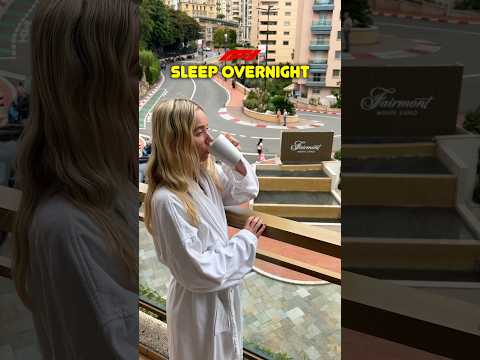
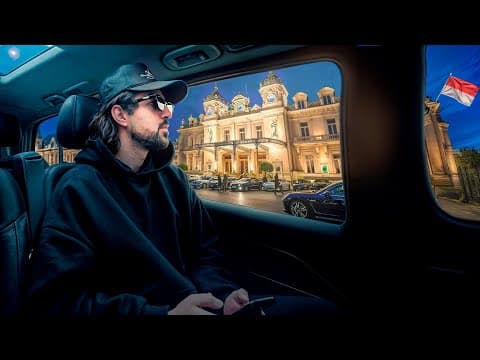
Monaco is the world's second-smallest country — a 2.02 square kilometre city-state on the French Riviera wedged between France and the Mediterranean Sea. It is also the densest and one of the wealthiest places on Earth, a principality ruled by the Grimaldi family for over 700 years, famous for its casino, Formula 1 Grand Prix and an unabashed celebration of extreme wealth that makes it a fascinating, if somewhat unreal, destination. The Casino de Monte-Carlo, a Belle Époque masterpiece designed by Charles Garnier (who also designed the Paris Opera), is the centrepiece of the Monte-Carlo district — even if you don't gamble, the interior is extraordinary and the surrounding gardens and hotel exteriors are spectacular. The Palais Princier on the Rock (Le Rocher), the 13th-century castle that is the Grimaldi family home, offers guided tours when the Prince is away. The Cathédrale de Monaco contains the tombs of Grace Kelly and Rainier III. The Musée Océanographique, founded by Albert I and perched on the Rock above the sea, is one of Europe's finest aquariums and oceanographic institutions. The Monaco Grand Prix circuit runs through the streets — walking (or cycling) the route at any time of year gives an appreciation of how impossibly narrow and twisting it is. Monaco is expensive even by Riviera standards, but a day trip from Nice (25 minutes by train) requires no commitment to overnight costs.