

Athens → Santorini → Mykonos
Few routes reward curiosity as quickly as Athens → Santorini → Mykonos, where each stop resets the tone. Athens → Santorini → Mykonos spans 9 days and works best when you let each stop reveal a different side of the trip. Even with several stops, the rhythm remains comfortable for travelers who dislike rushed holidays. Time in Athens means the Acropolis, rooftop dining, ancient depth, and lively neighborhoods. Santorini brings caldera sunsets, whitewashed villages, and iconic island romance. In Mykonos, expect stylish beaches, windmills, nightlife, and polished Cycladic charm. Late spring and early autumn are ideal, bringing warm sea weather and easier sightseeing. This route is great for couples, food lovers, honeymooners, and travelers who want culture plus coast. Good connections are a quiet strength here, making the route easier than many equally ambitious plans. To keep the route enjoyable, avoid overloading arrival days and save some energy for evenings. Even the smaller moments tend to land well here, which is usually the sign of a genuinely strong itinerary. It also stays flexible enough for different budgets and travel styles. The itinerary leaves room for slower meals and unexpected favorites. Even shorter stays still feel worthwhile because each city gives you a quick, vivid sense of place. Neighborhood walks often become as valuable as the signature sights. Small local rituals such as coffee stops, market browsing, or a late viewpoint can shape the day beautifully. Plan your Athens → Santorini → Mykonos trip today travelers often remember the small moments most on a route like this.
Plan this trip
Route pre-filled — set your origin, dates and budget
Photo by Jeison Higuita on Unsplash
Athens is where Western civilisation began. The Greek capital is dominated by the Acropolis — the ancient citadel rising above the modern city, crowned by the Parthenon, one of the most recognisable and significant buildings ever constructed. Standing on the rock at sunrise or sunset, looking out over a city that has been continuously inhabited for over 3,400 years, is genuinely moving. The Acropolis Museum, opened in 2009 at the foot of the hill, is one of the finest museums in Europe — its transparent design allows visitors to see the archaeological layers beneath their feet while viewing the extraordinary Parthenon frieze up close. The Ancient Agora, the Temple of Hephaestus, Hadrian's Arch and the Temple of Olympian Zeus are all nearby. The National Archaeological Museum holds the gold mask of Agamemnon and countless other treasures. But Athens is far more than its ancient heritage. The neighbourhood of Monastiraki, with its flea market and street food, is endlessly vibrant. Psiri and Gazi pulse with bars and restaurants at night; Exarcheia has a bohemian, anarchist energy; Koukaki and Pangrati are increasingly gentrified and café-dense. The Athens street food scene — souvlaki, spanakopita, loukoumades — is excellent. Spring (April–May) and autumn (September–October) are the best seasons; summers are very hot.

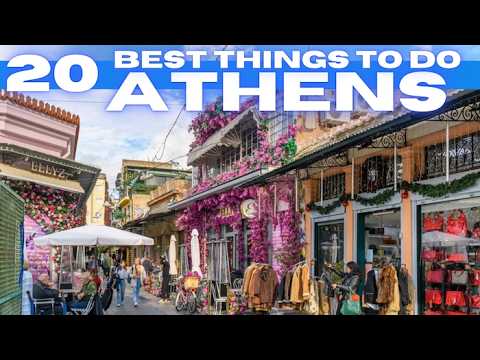


Photo by Clement Souchet on Unsplash
Santorini is the island that defines the Aegean aesthetic — the image of white cubic houses and blue-domed churches spilling down the rim of an enormous volcanic caldera is one of the most reproduced travel images in the world, and it is genuinely as beautiful as its photographs suggest. The island is the caldera of a prehistoric super-volcano, and the lagoon at its centre is one of the most dramatic geographical features in the Mediterranean. Oia, at the northern tip of the caldera rim, is where the classic Santorini images are taken — the blue-domed churches, the whitewashed sugar-cube architecture and the famous sunset that draws enormous crowds every evening are all here. Fira, the capital, sits on the caldera rim with excellent views and the island's main museums (the prehistoric town of Akrotiri, a Minoan city buried by the volcanic eruption of 1600 BC, is one of the most significant archaeological sites in the Aegean). The cable car connecting Fira to the old port below runs continuously. Santorini's volcanic soil produces extraordinary wine — Assyrtiko white wine from pre-phylloxera vines trained in basket shapes low to the ground is one of Greece's finest. The cherry tomatoes and fava (yellow split pea purée) are excellent local products. The red and black volcanic beaches (Perissa, Perivolos, Kamari) are dramatic. Red Beach, below the excavated Akrotiri, is striking. Imerovigli and Pyrgos are quieter alternatives to Oia and Fira. Visit April–May or September–October to avoid extreme summer crowds.




Photo by Debabrata Dash on Unsplash
Mykonos is the Cycladic island that combines whitewashed Aegean beauty with the most glamorous and expensive nightlife scene in Greece — a place that attracts a international crowd of affluent party-goers alongside families and couples who come for the beauty of Chora (the main town), the excellent beaches and the proximity to the sacred island of Delos. Mykonos Town (Chora) is genuinely beautiful beneath the crowds — a labyrinth of whitewashed lanes, bougainvillea-draped doorways, dozens of tiny churches (365 allegedly, one for every day of the year) and the famous row of windmills on the hill above the Little Venice neighbourhood, where cafés and bars cantilever over the sea. The Paraportiani church, a whitewashed asymmetric assembly of five chapels built over three centuries, is the island's most photographed monument. The beaches — Super Paradise, Elia, Paradise, Platis Gialos — range from quiet and family-oriented to internationally famous beach clubs playing music until 4am. Delos, a 30-minute boat trip from Mykonos, is one of the most important archaeological sites in Greece — a sacred island of Apollo, its ruins of temples, mosques, houses and the famous Terrace of the Lions are extraordinary and almost entirely deserted. Mykonos is extremely expensive; budget carefully. Visit May–June or September for the best balance of weather and manageable crowds.