
Ancient Civilizations — Cairo → Athens → Rome → Marrakech
Few routes reward curiosity as quickly as Ancient Civilizations — Cairo → Athens → Rome → Marrakech, where each stop resets the tone. The theme adds real depth, connecting cities where ancient worlds still sit close to the present. Ancient Civilizations — Cairo → Athens → Rome → Marrakech spans 14 days and works best when you let each stop reveal a different side of the trip. Food quietly carries the route too, because each stop gives you a different table, market, or café culture. Time in Cairo means the Pyramids, Nile views, Islamic architecture, and civilizational depth. Athens brings the Acropolis, rooftop dining, ancient depth, and lively neighborhoods. In Rome, expect ancient ruins, grand piazzas, Vatican wonders, and unforgettable food. Marrakech adds souks, riads, rooftop terraces, and desert toned intensity. Spring and autumn are usually best, giving you comfortable weather for ruins and medinas. It is perfect for history lovers, culture seekers, and curious travelers. Good connections are a quiet strength here, making the route easier than many equally ambitious plans. To keep the route enjoyable, avoid overloading arrival days and save some energy for evenings. Even the smaller moments tend to land well here, which is usually the sign of a genuinely strong itinerary. It also stays flexible enough for different budgets and travel styles. The itinerary leaves room for slower meals and unexpected favorites. Even shorter stays still feel worthwhile because each city gives you a quick, vivid sense of place. Plan your Ancient Civilizations — Cairo → Athens → Rome → Marrakech trip today travelers often remember the.
Plan this trip
Route pre-filled — set your origin, dates and budget




Photo by Jeison Higuita on Unsplash
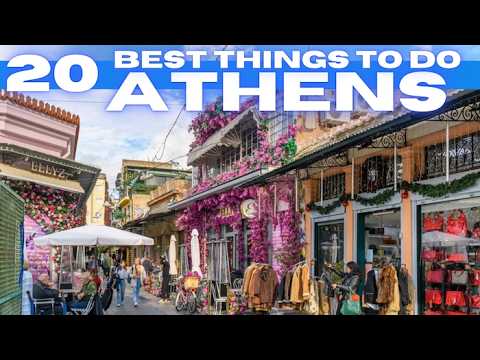
Athens is where Western civilisation began. The Greek capital is dominated by the Acropolis — the ancient citadel rising above the modern city, crowned by the Parthenon, one of the most recognisable and significant buildings ever constructed. Standing on the rock at sunrise or sunset, looking out over a city that has been continuously inhabited for over 3,400 years, is genuinely moving. The Acropolis Museum, opened in 2009 at the foot of the hill, is one of the finest museums in Europe — its transparent design allows visitors to see the archaeological layers beneath their feet while viewing the extraordinary Parthenon frieze up close. The Ancient Agora, the Temple of Hephaestus, Hadrian's Arch and the Temple of Olympian Zeus are all nearby. The National Archaeological Museum holds the gold mask of Agamemnon and countless other treasures. But Athens is far more than its ancient heritage. The neighbourhood of Monastiraki, with its flea market and street food, is endlessly vibrant. Psiri and Gazi pulse with bars and restaurants at night; Exarcheia has a bohemian, anarchist energy; Koukaki and Pangrati are increasingly gentrified and café-dense. The Athens street food scene — souvlaki, spanakopita, loukoumades — is excellent. Spring (April–May) and autumn (September–October) are the best seasons; summers are very hot.



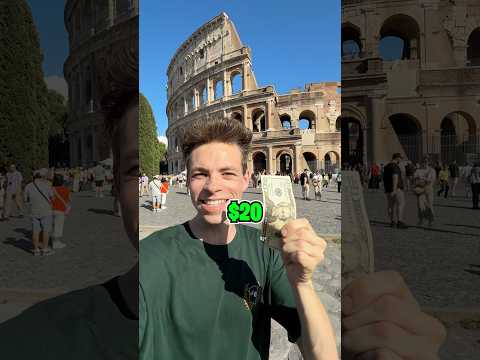
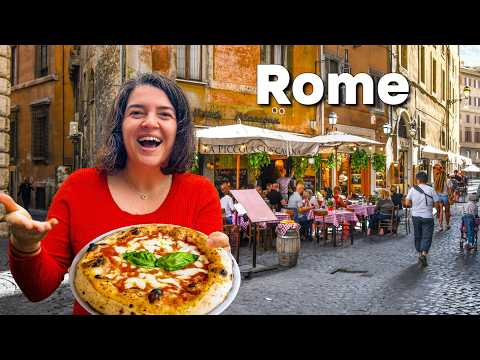
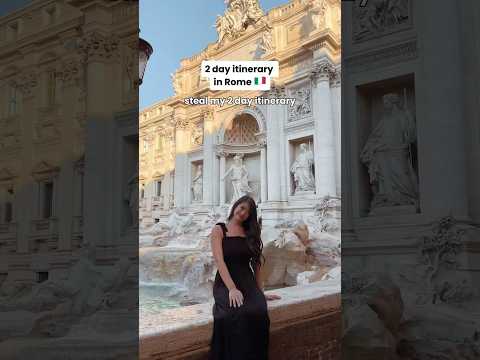
Rome is a city built on layers of history that span nearly three millennia. As the former heart of the Roman Empire and the continuing home of the Vatican, it carries a weight of significance unlike anywhere else on Earth. Yet daily life here unfolds with an effortless Italian ease — espresso at a standing bar, a passeggiata along cobbled streets, lingering lunches that stretch into the afternoon. The sights are staggering in their concentration. The Colosseum, Roman Forum and Palatine Hill occupy one corner of the city; the Pantheon, a perfectly preserved 2,000-year-old temple, sits in another. Toss a coin in the Trevi Fountain, climb the Spanish Steps, and wander through Piazza Navona at dusk. Vatican City, technically a separate state, holds St. Peter's Basilica and the Sistine Chapel — Michelangelo's ceiling remains one of humanity's greatest artistic achievements. Beyond the monuments, Rome's neighbourhoods are endlessly explorable. Trastevere enchants with ivy-clad buildings and intimate restaurants; Testaccio is the working-class foodie heartland; Prati offers elegant boulevards near the Vatican. Visit in spring or autumn to avoid summer's intense heat and peak crowds.