
Vienna → Salzburg → Munich
You could book Vienna → Salzburg → Munich for the landmarks alone, yet the route succeeds because of its rhythm. Vienna → Salzburg → Munich spans 7 days and works best when you let each stop reveal a different side of the trip. There is a faintly romantic quality to the sequence, especially if you enjoy long evenings and scenic arrivals. In Vienna, expect imperial elegance, coffeehouse culture, classical music, and refined streets. Salzburg adds baroque beauty, fortress views, alpine scenery, and Mozart heritage. Time in Munich means beer gardens, polished boulevards, museums, and mountain access. May to June and September to October are especially rewarding, with comfortable walking weather. It works well for couples, history lovers, rail travelers, and architecture fans. That smooth progression matters, because it lets the itinerary feel full rather than fragmented. Comfortable shoes, flexible mornings, and room for spontaneous meals will improve this trip more than overplanning every hour. By the end, the route usually feels larger and richer than its map first suggests. It also stays flexible enough for different budgets and travel styles. The itinerary leaves room for slower meals and unexpected favorites. Even shorter stays still feel worthwhile because each city gives you a quick, vivid sense of place. Neighborhood walks often become as valuable as the signature sights. Small local rituals such as coffee stops, market browsing, or a late viewpoint can shape the day beautifully. Plan your Vienna → Salzburg → Munich trip today travelers often remember the small moments most on a route like this.
Plan this trip
Route pre-filled — set your origin, dates and budget
Photo by Joshi Milestoner on Unsplash

Photo by Nikolai Kolosov on Unsplash

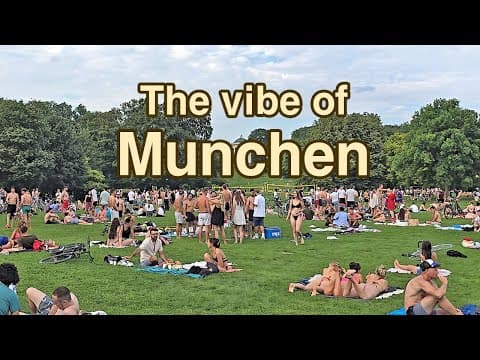
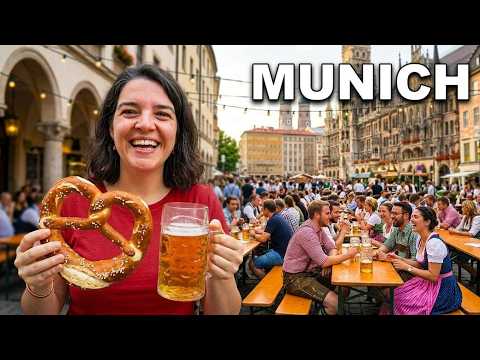
Munich is the capital of Bavaria, Germany's largest and most prosperous state, and the country's most visited city after Berlin. It combines Bavarian tradition — beer halls, lederhosen, the Alps on the horizon — with genuine cosmopolitan sophistication, world-class museums, and the kind of quality of life that consistently places it at the top of global rankings. The English Garden (Englischer Garten) is larger than New York's Central Park and the city's great outdoor living room — locals surf an artificial wave on the Eisbach stream even in winter. The Marienplatz, with its neo-Gothic Neues Rathaus (new town hall) and its famous Glockenspiel carillon, is the city centre. The Deutsches Museum is the world's largest science and technology museum, while the Alte Pinakothek, Neue Pinakothek and Pinakothek der Moderne form one of Germany's finest art museum clusters. Oktoberfest (late September to early October) is the world's most famous festival — an extraordinary spectacle of beer, music, lederhosen and Bavarian identity, though the city is excellent year-round. The Hofbräuhaus beer hall on Platzl is a tourist institution but worth experiencing. Day trips to Neuschwanstein Castle, the Bavarian Alps, Dachau Memorial and the Chiemsee lake are all manageable from Munich. The city's food markets, particularly Viktualienmarkt, are outstanding.