
Vancouver → Calgary → Edmonton
What gives Vancouver → Calgary → Edmonton its charm is not only the places, but the tempo created between them. Vancouver → Calgary → Edmonton spans 8 days and works best when you let each stop reveal a different side of the trip. From a practical point of view, it is a strong choice because the travel days stay manageable. Vancouver adds mountains, ocean, parks, and one of Canada’s prettiest city settings. Time in Calgary means Western roots, modern energy, big skies, and Rockies access. Edmonton brings river valley trails, festivals, and practical urban comfort. Late spring through early fall is ideal for pleasant temperatures and scenic travel days. It works well for couples, families, first time Canada visitors, and city lovers. The travel days are controlled enough that the journey stays exciting instead of tiring. A useful rhythm is one headline sight and one neighborhood experience per day, then enough space for detours. That balance of contrast and continuity is what makes this kind of journey satisfying rather than rushed. The itinerary leaves room for slower meals and unexpected favorites. Even shorter stays still feel worthwhile because each city gives you a quick, vivid sense of place. Neighborhood walks often become as valuable as the signature sights. Small local rituals such as coffee stops, market browsing, or a late viewpoint can shape the day beautifully. That blend of famous highlights and smaller discoveries is a big reason the route feels complete. Plan your Vancouver → Calgary → Edmonton trip today travelers often remember the small.
Plan this trip
Route pre-filled — set your origin, dates and budget
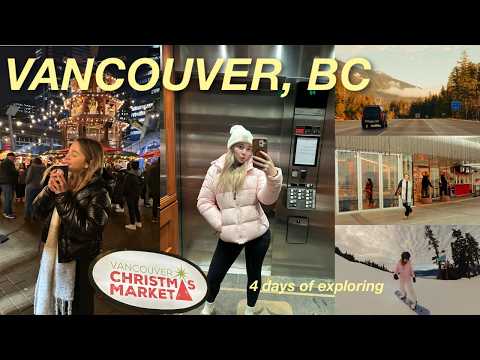
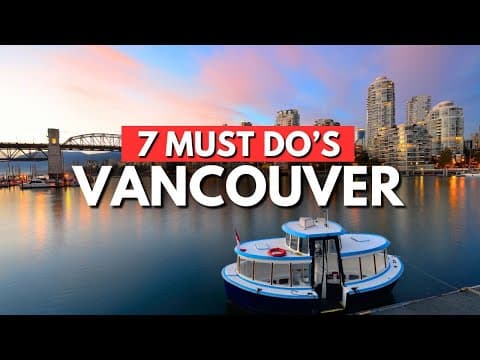
Vancouver, British Columbia, is one of the world's most beautiful cities — a Pacific metropolis of glass towers at the foot of the snow-capped Coast Mountains, with the ocean on three sides, Stanley Park (a 400-hectare rainforest peninsula accessible by seawall bicycle path) and a mild Pacific climate that keeps it green year-round. It consistently ranks at the very top of global livability surveys. Stanley Park, the 405-hectare forest park jutting into Burrard Inlet, is Vancouver's greatest civic asset — 27km of trails through old-growth rainforest, the seawall promenade (best cycled on a rental), totem poles at Brockton Point, the Vancouver Aquarium and extraordinary views of the city, the mountains and the Lions Gate Bridge. The Museum of Anthropology at UBC (designed by Arthur Erickson) holds an outstanding collection of Northwest Coast First Nations art. Granville Island is an excellent public market and arts district. Gastown (Victorian commercial district, Steam Clock), Chinatown (Canada's oldest, excellent dim sum), Yaletown (converted industrial district, excellent restaurants and bars) and Commercial Drive (alternative culture, excellent coffee and Italian food) are the most interesting neighbourhoods. Grouse Mountain and Whistler (2 hours north) offer year-round mountain activities. The ferry to Vancouver Island and Victoria (90 minutes) is magnificent. The food scene reflects Pacific Asian influences — exceptional Japanese, Chinese, Korean and Vietnamese alongside excellent local seafood (spot prawns, Dungeness crab, wild salmon). Cannabis stores are legal and well-designed.


Calgary, Alberta, sits where the prairies meet the Rocky Mountain foothills — a young, prosperous oil city that has become one of Canada's most dynamic with a booming tech sector, excellent food scene and access to some of the world's finest mountain scenery. The city hosted the 1988 Winter Olympics and retains excellent winter sports infrastructure. The Canadian Rockies are 90 minutes west. Banff National Park, Lake Louise (the turquoise glacial lake backed by snow-covered peaks), Moraine Lake and the Icefields Parkway (the most spectacular mountain highway in North America, 230km of peaks, glaciers and wildlife) are the primary reasons to visit the Calgary region. Calgary itself has the Glenbow Museum (excellent Indigenous and Western Canadian history), the Calgary Stampede grounds, the zoo and the excellent National Music Centre. The Calgary Stampede (July) is the world's greatest rodeo — 10 days of rodeo competitions, chuck wagon races, live music, agricultural exhibitions and enormous collective enthusiasm that the entire city participates in. The Inglewood neighbourhood, SAIT, Kensington and the East Village are the most interesting areas for food and culture. The Bow River pathway system offers excellent cycling through the city. Winter temperatures can be brutal, but chinook winds warm things rapidly. The city's food scene has evolved dramatically.
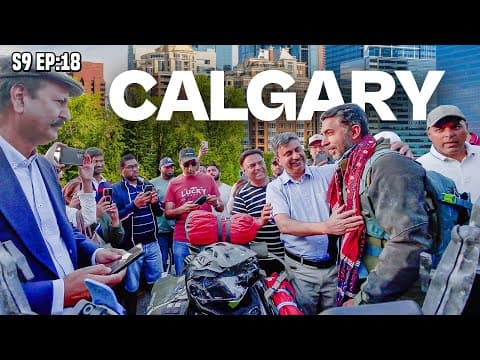
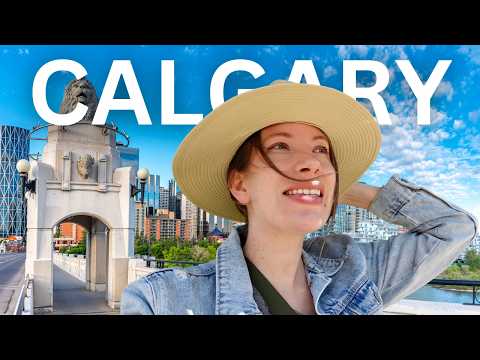

Photo by Earl McKenzie on Unsplash
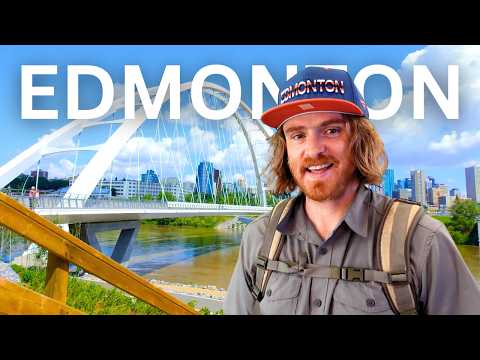
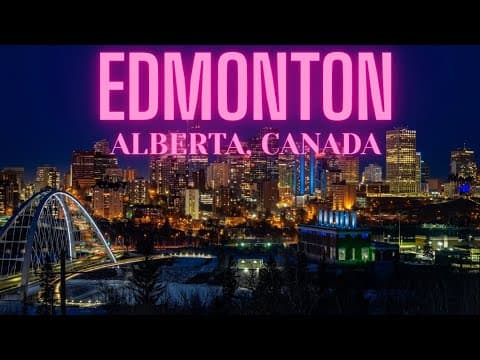
Edmonton, the capital of Alberta, sits on the North Saskatchewan River in the heart of the Canadian prairies — a city with a short but intensely warm summer, enormous indoor infrastructure to cope with its winters, and a rapidly developing arts and food scene that has earned it recent national attention. It is the most northerly major city in North America. West Edmonton Mall, at its opening in 1981 the world's largest mall (now the largest in North America), contains an indoor waterpark, ice rink, amusement park, submarine rides, dolphin and penguin habitats, a miniature golf course and 800+ shops — a phenomenon of indoor entertainment that makes sense in a climate where temperatures regularly fall below -20°C. The Royal Alberta Museum, the Art Gallery of Alberta (an extraordinary building by Randall Stout that resembles a frozen wave) and the Alberta Legislature Building are the city's principal cultural institutions. The North Saskatchewan River valley system — a 7,400-hectare system of parks and river valley trails running 48km through the city — is one of Canada's greatest urban park systems. The Old Strathcona neighbourhood south of the river is the most vibrant for independent restaurants, bars and the excellent Fringe Theatre Festival (August, the second-largest fringe festival in the world after Edinburgh). Edmonton serves as the gateway to the oil sands of northern Alberta and the wilderness of Wood Buffalo National Park.