
Tokyo → Sydney → Los Angeles → Mexico City
What gives Tokyo → Sydney → Los Angeles → Mexico City its charm is not only the places, but the tempo created between them. Tokyo → Sydney → Los Angeles → Mexico City spans 14 days and works best when you let each stop reveal a different side of the trip. Culturally, the journey stays rewarding because the cities never blur into one another. Tokyo brings neon, temples, serious food, efficient transit, and endless variation. In Sydney, expect harbor icons, surf beaches, coastal walks, and outdoor city life. Los Angeles adds Hollywood, beaches, studio culture, and endless California light. Time in Mexico City means grand plazas, museums, leafy neighborhoods, and extraordinary food. Spring and autumn often offer the easiest balance for multi city travel, though the ideal timing varies. It is built for ambitious travelers, milestone trips, and people who want iconic contrasts across continents. Because the transfers are manageable, the route keeps its momentum without wasting too many hours in transit. Book the biggest attractions and the key transport segments in advance if you are traveling during busy weeks. What stays with most travelers is not just the landmarks but the changing texture of each day. That blend of famous highlights and smaller discoveries is a big reason the route feels complete. It also stays flexible enough for different budgets and travel styles. The itinerary leaves room for slower meals and unexpected favorites. Plan your Tokyo → Sydney → Los Angeles → Mexico City trip today travelers often remember the small moments most on a route like this.
Plan this trip
Route pre-filled — set your origin, dates and budget
Photo by Nikolay Likomanov on Unsplash
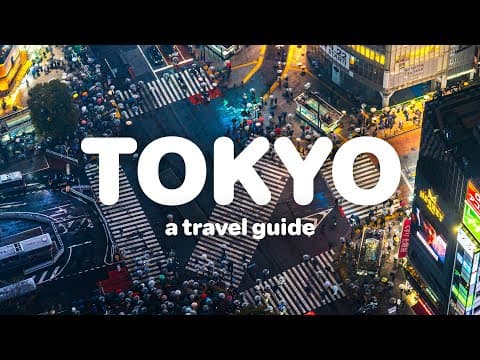


Photo by Jules Marvin Eguilos on Unsplash
Los Angeles is the most sprawling, car-dependent and cinematically mythologised metropolis in the United States — a city that has been dreamed about, discussed, dismissed and reinvented so many times that arriving for the first time feels like entering a familiar scene from a thousand films and television shows. It is also a place of extraordinary cultural diversity, excellent food (some of the finest Mexican, Japanese, Korean and Ethiopian cooking in North America), and a natural setting of rare beauty — beaches, mountains and desert within an hour's drive in any direction. The visitor's LA is concentrated along the Westside and coastal strip: Santa Monica pier and beach, Venice Beach's boardwalk, the Getty Center (Richard Meier's hilltop museum with outstanding European paintings and Pacific views), the Griffith Observatory (panoramic views and excellent astronomy), the Hollywood Walk of Fame and Grauman's Chinese Theatre, the Getty Villa (Roman villa with Greek and Roman antiquities) and the LA County Museum of Art. Beyond the tourist infrastructure, LA rewards those who drive and explore: the Grand Central Market downtown for extraordinary multicultural street food, Koreatown for the finest Korean barbecue outside Seoul, Silver Lake and Los Feliz for independent bookshops and cafés, Malibu for surf and celebrity, Joshua Tree for desert camping under extraordinary night skies. The Los Angeles food truck scene is extraordinary. The Broad and MOCA are world-class contemporary art museums.

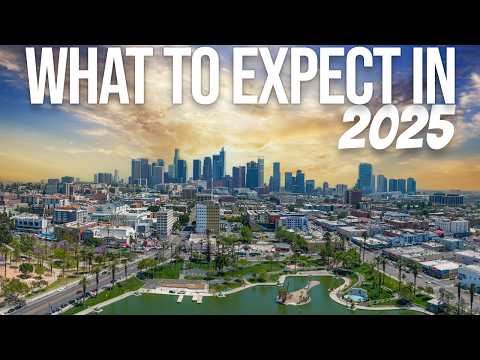

Photo by Laurentiu Morariu on Unsplash
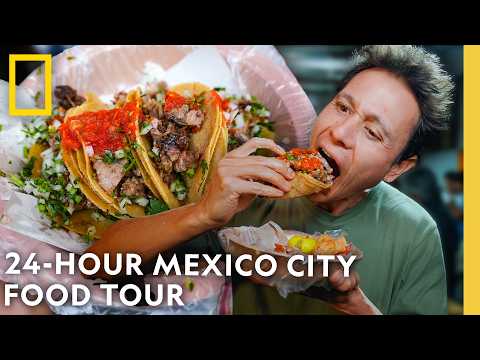
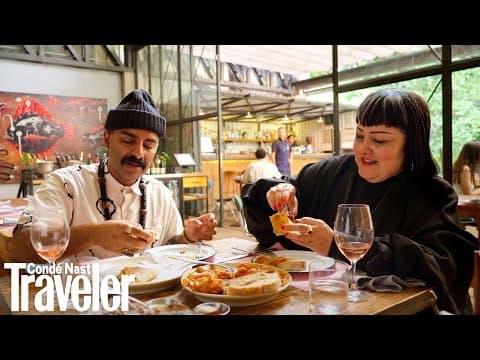
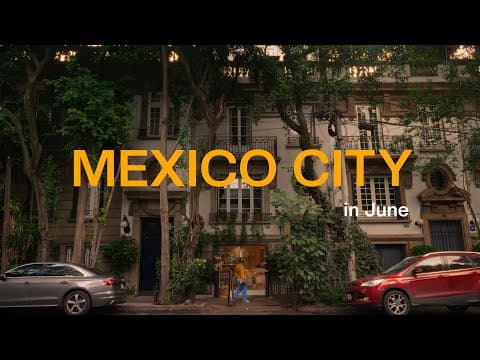
Mexico City, one of the world's largest metropolises at 22 million in the greater metropolitan area, is an overwhelming and magnificent capital that sits at 2,240 metres altitude on a former lake bed in the Valley of Mexico. It is one of the world's great cities for art, food, history and cultural depth — a city that rewards exploration at every level. The historic centre (Centro Histórico) is the place to begin: the Zócalo (the largest plaza in Latin America), the Metropolitan Cathedral built on Aztec ruins, and the extraordinary Palacio Nacional with Diego Rivera's monumental murals depicting Mexican history from the Aztec empire to the Revolution are all here. The Templo Mayor archaeological site, the remains of the Aztec capital Tenochtitlán, sits directly beside the cathedral — the juxtaposition is extraordinary. The Anthropology Museum in Chapultepec Park is one of the world's great museums. The Frida Kahlo Museum (La Casa Azul) in Coyoacán, Kahlo's blue house where she was born and died, is essential. Chapultepec Park is one of the world's largest urban parks. Palacio de Bellas Artes (Art Nouveau exterior, Art Deco interior, Rivera murals inside) is magnificent. The food — tacos, tamales, chilaquiles, tlayudas, mole — is extraordinary and the markets (La Merced, Jamaica, Coyoacán) are endlessly fascinating. Polanco is Mexico City's luxury restaurant neighbourhood; Roma Norte and Condesa are the most vibrant for independent culture.