
Sofia → Plovdiv → Istanbul
There is nothing flat about Sofia → Plovdiv → Istanbul; every leg pushes the journey into a different mood. Sofia → Plovdiv → Istanbul spans 8 days and works best when you let each stop reveal a different side of the trip. The overall energy stays lively, which makes the itinerary easy to stay engaged with. Sofia adds Roman ruins, domes, broad boulevards, and underrated city appeal. Time in Plovdiv means a Roman theater, artistic districts, and one of Europe’s oldest urban centers. Istanbul brings mosques, bazaars, ferries, palaces, and thrilling cross continental identity. May, June, and September usually bring the best balance of pleasant weather and scenic travel. It suits curious travelers, backpackers, road trippers, and repeat Europe visitors. The travel days are controlled enough that the journey stays exciting instead of tiring. A useful rhythm is one headline sight and one neighborhood experience per day, then enough space for detours. That balance of contrast and continuity is what makes this kind of journey satisfying rather than rushed. The itinerary leaves room for slower meals and unexpected favorites. Even shorter stays still feel worthwhile because each city gives you a quick, vivid sense of place. Neighborhood walks often become as valuable as the signature sights. Small local rituals such as coffee stops, market browsing, or a late viewpoint can shape the day beautifully. That blend of famous highlights and smaller discoveries is a big reason the route feels complete. Plan your Sofia → Plovdiv → Istanbul trip today travelers often remember the small moments most.
Plan this trip
Route pre-filled — set your origin, dates and budget
Photo by Andrea Sánchez on Unsplash
Sofia is Bulgaria's capital and, at an elevation of 550 metres with the Vitosha Mountain rising directly behind it, one of Europe's most dramatically positioned cities. It is also one of the oldest continuously inhabited cities in Europe, with 7,000 years of settlement history that has left an extraordinary palimpsest of Thracian, Roman, Byzantine, Ottoman and Soviet-era monuments. The Alexander Nevsky Cathedral, a massive Neo-Byzantine edifice built in the early 20th century to commemorate Russian soldiers who died liberating Bulgaria from Ottoman rule, is one of the Balkans' most impressive buildings. The ancient Rotunda of St George — a 4th-century Roman brick rotunda converted successively into a Byzantine church, an Ottoman mosque and back to a church — sits in the courtyard of the Presidency, layers of history literally visible in its walls. The Sofia History Museum, the National Archaeological Museum and the National Gallery are all worth visiting. Vitosha Boulevard, the main pedestrian shopping street, and the area around the National Palace of Culture (NDK) are the liveliest parts of the city. The food and bar scene has developed well, with an excellent concentration of restaurants and craft beer bars around Ivan Vazov Park and the centre. Bulgarian cuisine — banitsa (pastry with cheese and eggs), tarator (cold cucumber soup), lyutenitsa relish, kebapche — is good value. The surrounding mountains offer skiing in winter and hiking in summer. Rila Monastery (UNESCO) is an excellent day trip.



Photo by Isaac Burke on Unsplash

Photo by Shaghayegh Allahdad on Unsplash
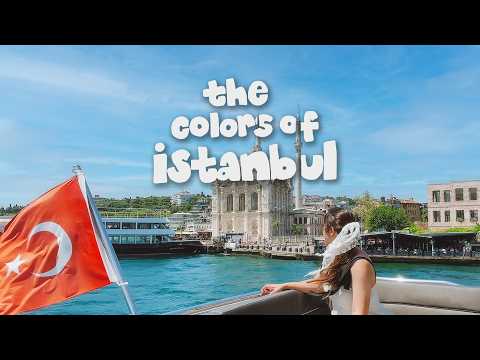
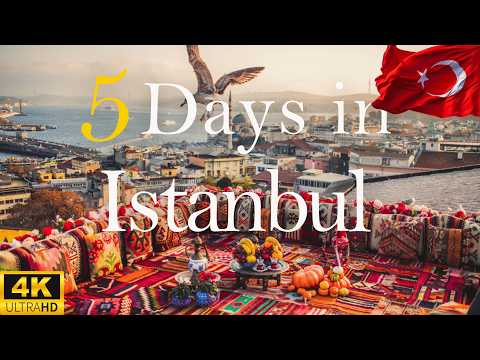
Istanbul is one of the world's truly unique cities — the only metropolis that straddles two continents. Sitting on the Bosphorus Strait where Europe meets Asia, it has served as the capital of the Byzantine and Ottoman empires, accumulating layers of extraordinary history, architecture and culture that few cities can match. The historic peninsula of Sultanahmet is overwhelming with the weight of its monuments. The Hagia Sophia — first a Byzantine cathedral, then an Ottoman mosque, then a museum, now a mosque again — is one of the greatest buildings ever constructed. The Blue Mosque, Topkapı Palace (the seat of the Ottoman sultans for four centuries) and the Grand Bazaar, one of the world's oldest and largest covered markets, are all within walking distance. The Basilica Cistern, an underground Byzantine water reservoir, is hauntingly beautiful. Yet Istanbul is also a living, breathing, chaotic, gloriously noisy modern metropolis of 15 million people. The Beyoğlu neighbourhood, centred on İstiklal Avenue, is the city's modern cultural heart. Karaköy has transformed into a hub for coffee roasters, design studios and restaurants. The Bosphorus ferry between the European and Asian shores is a practical commute and a sublime journey. Istanbul's food — simit, baklava, döner, fresh fish sandwiches by the waterfront — is among the best street food on earth. Visit in April–June or September–November.