

Singapore → Istanbul → Paris → New York
Singapore → Istanbul → Paris → New York begins like a trip for travelers who hate monotony and love contrast. Singapore → Istanbul → Paris → New York spans 14 days and works best when you let each stop reveal a different side of the trip. The overall energy stays lively, which makes the itinerary easy to stay engaged with. Singapore adds futuristic gardens, hawker food, clean streets, and seamless city travel. Time in Istanbul means mosques, bazaars, ferries, palaces, and thrilling cross continental identity. Paris brings river walks, elegant boulevards, art treasures, and romantic café culture. In New York, expect skylines, Broadway, museums, diverse neighborhoods, and constant motion. Spring and autumn often offer the easiest balance for multi city travel, though the ideal timing varies. It is built for ambitious travelers, milestone trips, and people who want iconic contrasts across continents. The travel days are controlled enough that the journey stays exciting instead of tiring. A useful rhythm is one headline sight and one neighborhood experience per day, then enough space for detours. That balance of contrast and continuity is what makes this kind of journey satisfying rather than rushed. The itinerary leaves room for slower meals and unexpected favorites. Even shorter stays still feel worthwhile because each city gives you a quick, vivid sense of place. Neighborhood walks often become as valuable as the signature sights. Small local rituals such as coffee stops, market browsing, or a late viewpoint can shape the day beautifully. Plan your Singapore → Istanbul → Paris → New York trip today travelers.
Plan this trip
Route pre-filled — set your origin, dates and budget
Photo by Max Felner on Unsplash


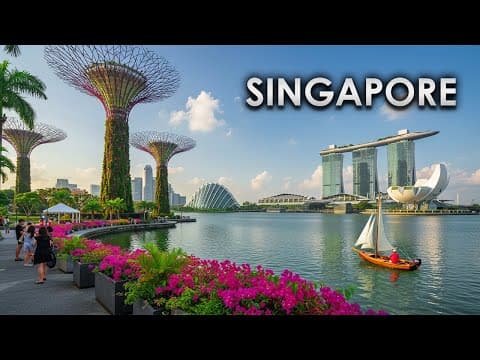

Photo by Shaghayegh Allahdad on Unsplash
Istanbul is one of the world's truly unique cities — the only metropolis that straddles two continents. Sitting on the Bosphorus Strait where Europe meets Asia, it has served as the capital of the Byzantine and Ottoman empires, accumulating layers of extraordinary history, architecture and culture that few cities can match. The historic peninsula of Sultanahmet is overwhelming with the weight of its monuments. The Hagia Sophia — first a Byzantine cathedral, then an Ottoman mosque, then a museum, now a mosque again — is one of the greatest buildings ever constructed. The Blue Mosque, Topkapı Palace (the seat of the Ottoman sultans for four centuries) and the Grand Bazaar, one of the world's oldest and largest covered markets, are all within walking distance. The Basilica Cistern, an underground Byzantine water reservoir, is hauntingly beautiful. Yet Istanbul is also a living, breathing, chaotic, gloriously noisy modern metropolis of 15 million people. The Beyoğlu neighbourhood, centred on İstiklal Avenue, is the city's modern cultural heart. Karaköy has transformed into a hub for coffee roasters, design studios and restaurants. The Bosphorus ferry between the European and Asian shores is a practical commute and a sublime journey. Istanbul's food — simit, baklava, döner, fresh fish sandwiches by the waterfront — is among the best street food on earth. Visit in April–June or September–November.

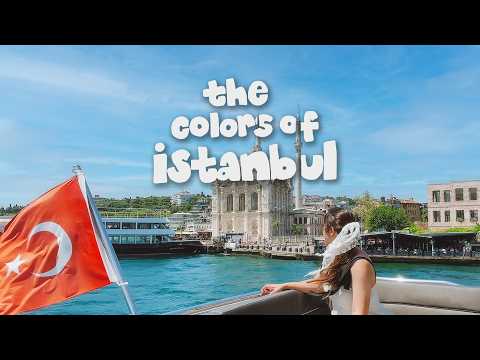
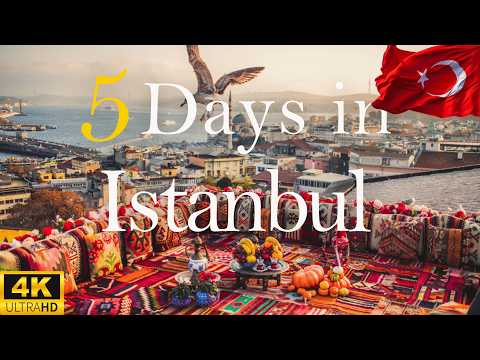

Photo by Oksana Gogu on Unsplash
Paris needs no introduction, yet it always manages to exceed expectations. The French capital sits on the River Seine in northern France and has shaped art, fashion, cuisine and romantic culture for centuries. Its iconic skyline — punctuated by the Eiffel Tower, the dome of Sacré-Cœur and the spire of Notre-Dame — is instantly recognisable even to those who have never visited. Beyond the postcard images lies a city of extraordinary depth. World-class museums like the Louvre, Musée d'Orsay and Centre Pompidou are the obvious starting points, but Paris rewards wanderers who follow cobblestone streets into hidden courtyards, browse weekend flea markets at Saint-Ouen or cycle along the Canal Saint-Martin. Each arrondissement has its own mood: the Marais mixes medieval history with vibrant LGBTQ+ life; Montmartre retains a village feel on its hilltop perch; Saint-Germain-des-Prés exudes literary sophistication. Food and drink are non-negotiable rituals here. From the corner boulangerie to three-Michelin-star temples of gastronomy, eating well is simply part of daily life. April to June and September to October offer the most pleasant weather and manageable crowds.




Photo by Denil Dominic on Unsplash
New York City is the most recognisable city in the world — a place whose skyline, energy and cultural mythology have shaped global imagination more profoundly than any other urban environment. The five boroughs of Manhattan, Brooklyn, Queens, the Bronx and Staten Island form the most complex, diverse and inexhaustible city in the Western Hemisphere, a place where you can spend weeks and feel you've only scratched the surface. Manhattan is the island at the centre of it all — the skyscrapers of Midtown and Downtown, Central Park (843 acres of designed nature in the heart of the city), the museums of the Upper East Side (the Metropolitan Museum of Art, the Guggenheim, the American Museum of Natural History), the brownstone neighbourhoods of the Upper West Side and Harlem, the bohemian energy of Greenwich Village and the East Village, and the galleries and designer restaurants of Chelsea and the Meatpacking District. Brooklyn has transformed into one of the world's most creative and culinarily exciting urban areas — DUMBO, Williamsburg, Park Slope and Red Hook each have distinctive characters. The Brooklyn Bridge walk, the High Line park (in Manhattan) and the 9/11 Memorial are must-experiences. Times Square is overwhelming and worth witnessing once. The Staten Island Ferry is free and gives the best views of the Manhattan skyline and the Statue of Liberty. New York is expensive but offers extraordinary value in its free institutions.