
Santiago → Mendoza → Buenos Aires
There is nothing flat about Santiago → Mendoza → Buenos Aires; every leg pushes the journey into a different mood. Santiago → Mendoza → Buenos Aires spans 9 days and works best when you let each stop reveal a different side of the trip. The overall energy stays lively, which makes the itinerary easy to stay engaged with. Santiago adds mountain views, wine access, and a polished Chilean capital feel. Time in Mendoza means vineyards, Malbec tastings, sunny plazas, and Andes backdrops. Buenos Aires brings tango, elegant avenues, steak houses, and late night soul. Spring and fall work especially well, balancing good weather and lively city energy. This itinerary suits music lovers, food focused travelers, couples, and curious explorers. The travel days are controlled enough that the journey stays exciting instead of tiring. A useful rhythm is one headline sight and one neighborhood experience per day, then enough space for detours. That balance of contrast and continuity is what makes this kind of journey satisfying rather than rushed. That blend of famous highlights and smaller discoveries is a big reason the route feels complete. It also stays flexible enough for different budgets and travel styles. The itinerary leaves room for slower meals and unexpected favorites. Even shorter stays still feel worthwhile because each city gives you a quick, vivid sense of place. Neighborhood walks often become as valuable as the signature sights. Plan your Santiago → Mendoza → Buenos Aires trip today travelers often remember the small moments most on a route like this and that.
Plan this trip
Route pre-filled — set your origin, dates and budget
Photo by Gustavo Sánchez on Unsplash



Photo by Joao Vitor Marcilio on Unsplash
Mendoza rewards travellers who like destinations with a strong local atmosphere rather than a checklist-only experience. Even when there are major attractions to see first, the city tends to reveal itself through smaller details: street markets, residential districts, old squares, local bakeries, evening promenades and the everyday routines of people who actually live there. That makes Mendoza a particularly good stop for visitors who want a trip to feel layered rather than rushed. A sensible itinerary usually blends the main cultural or historical highlights with neighbourhood time. Walkable areas, public transport links and easy access to day trips make it practical to shape the visit around your own interests, whether that means architecture, museums, photography, food or simply spending time in lively streets and cafés. It is often worth starting with the central sights and then deliberately adding one less obvious area for a more complete impression of the destination. Mendoza also works well as a base. Many travellers come for one reason and stay longer once they realise how much there is to do nearby. Local food is best explored gradually, with a mix of traditional dishes and contemporary spots. Shoulder season is usually ideal for weather, prices and a more relaxed overall experience. Many travellers also use it as a gateway to a wider South American route, which makes pacing and transport planning especially important.




Photo by Gustavo Sánchez on Unsplash
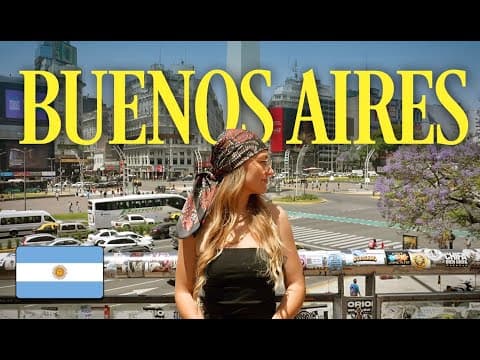
Buenos Aires is South America's most European-influenced and sophisticated city — a vast, passionate Argentine metropolis of 15 million in the metropolitan area on the Río de la Plata estuary, where tango was born, where beef is a religion, and where the architectural heritage of the early 20th century boom years created one of the most visually impressive cities in the Southern Hemisphere. The Puerto Madero waterfront redevelopment is the city's most spectacular modern area — the Woman's Bridge by Santiago Calatrava, the converted red-brick dock warehouses now filled with restaurants and nightclubs, and the stunning Fundación Proa contemporary art museum. The Palermo neighbourhood (particularly Palermo Soho and Palermo Hollywood) is the city's creative heart — boutique hotels, restaurants, design shops and the city's finest people-watching. La Boca's Caminito alleyway (colourful corrugated iron houses, tango street performers) is tourist but genuine. The Recoleta Cemetery — where Evita Perón is buried in an elaborate mausoleum, surrounded by the tombs of Argentina's most famous families in a necropolis of extraordinary architectural extravagance — is a genuine highlight. The MALBA (Museum of Latin American Art) holds an outstanding collection. The Teatro Colón is one of the world's finest opera houses (guided tours available when not in use). The San Telmo antiques market on Sundays is excellent. Argentine beef, eaten at asado barbecues or in traditional parrillas, is world-class.