

San Juan → Barbados → Trinidad
If you like travel that refuses to stay predictable, San Juan → Barbados → Trinidad makes a strong case for itself. San Juan → Barbados → Trinidad spans 8 days and works best when you let each stop reveal a different side of the trip. It has enough variety to please adventurous travelers, but enough structure to stay easy. San Juan brings fortresses, colorful facades, beaches, and strong island city energy. In Barbados, expect polished beaches, rum culture, hospitality, and a sunny island rhythm. Trinidad adds Carnival spirit, music, local food, and multicultural energy. December to April is the classic sweet spot for sunshine and sea time. It suits sun seekers, couples, and relaxed travelers who want beach time with culture. Because the transfers are manageable, the route keeps its momentum without wasting too many hours in transit. Book the biggest attractions and the key transport segments in advance if you are traveling during busy weeks. What stays with most travelers is not just the landmarks but the changing texture of each day. That blend of famous highlights and smaller discoveries is a big reason the route feels complete. It also stays flexible enough for different budgets and travel styles. The itinerary leaves room for slower meals and unexpected favorites. Even shorter stays still feel worthwhile because each city gives you a quick, vivid sense of place. Neighborhood walks often become as valuable as the signature sights. Plan your San Juan → Barbados → Trinidad trip today travelers often remember the small moments most on a.
Plan this trip
Route pre-filled — set your origin, dates and budget
Photo by Nora Jane Long on Unsplash
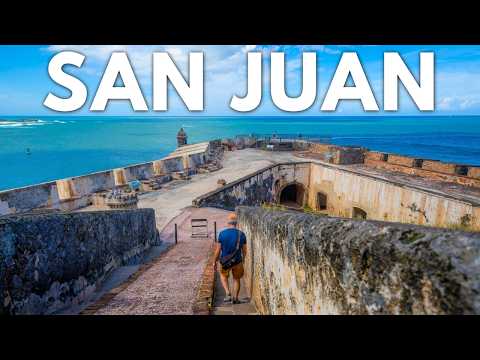
San Juan, the capital of Puerto Rico, is a Caribbean city with a proud Spanish colonial heritage — the pastel-coloured fortifications, plazas and narrow cobblestone streets of Old San Juan are among the finest examples of colonial architecture in the Americas, and the combination of Caribbean warmth, excellent food, vibrant music culture and US-territory infrastructure makes it one of the most accessible Caribbean destinations. Old San Juan, on an islet connected to the mainland by bridges, is the historical heart — El Morro (Castillo San Felipe del Morro), the 16th-century Spanish fortification at the tip of the islet, with its massive grassy esplanade perfect for kite-flying, is UNESCO World Heritage and magnificent. The nearby Castillo San Cristóbal is even larger. The pastel houses of the old city, the blue cobblestones (ballast stones from Spanish ships), the Cathedral of San Juan Bautista and the colourful streets of Calle del Cristo are all excellent for walking. The Condado and Isla Verde are the beach resort areas. The El Yunque National Forest (1 hour east), the only tropical rainforest in the US National Forest system, is excellent hiking. The food scene has transformed dramatically — chefs like José Enrique, Wilo Benet and Mario Pagán have put Puerto Rican cuisine on the global map. Bomba and plena music, salsa and the rum culture (Bacardí is made here) are central to Puerto Rican identity.


Barbados is best approached as a place where scenery and atmosphere matter as much as sightseeing. Travellers usually come for the coast, warm weather and a more relaxed pace, but the destination often works best when you mix beach time with local streets, markets, cafés and short excursions nearby. That balance keeps the trip from feeling one-dimensional and makes Barbados rewarding for both first-time visitors and people returning for a slower stay. The classic routine here is simple: early mornings for viewpoints, boat trips or walking before the heat builds; afternoons for the beach, swimming or long lunches; and evenings for the waterfront, sunset and seafood or local specialities. Even if the coastline is the main draw, it is usually worth exploring the town itself rather than treating it only as a resort base. Local neighbourhoods, smaller coves and less obvious dining spots often end up being the most memorable parts of the trip. Barbados suits travellers who want flexibility. You can keep things restful, or use it as a hub for island trips, nature outings or nearby cultural stops depending on the wider region. Dry-season months or shoulder season generally offer the best combination of weather and value. If you can, stay at least a few nights: coastal destinations like this are most enjoyable when you are not in a hurry. It is especially appealing if you enjoy combining laid-back travel with local culture, shorter transfers and a flexible itinerary.
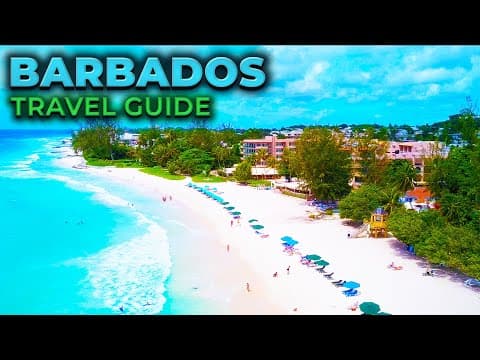



Photo by Daniel Seßler on Unsplash