
Rome → Florence → Venice
Few routes reward curiosity as quickly as Rome → Florence → Venice, where each stop resets the tone. Rome → Florence → Venice spans 8 days and works best when you let each stop reveal a different side of the trip. The scenery keeps changing just enough to stop the trip from ever feeling repetitive. In Rome, expect ancient ruins, grand piazzas, Vatican wonders, and unforgettable food. Florence adds Renaissance art, Tuscan flavors, intimate streets, and river views. Time in Venice means romantic canals, elegant palaces, hidden alleys, and timeless atmosphere. Late spring and early fall are usually the best seasons, with mild weather and long sightseeing days. It suits first time Europe visitors, couples, friends, and culture focused travelers. That smooth progression matters, because it lets the itinerary feel full rather than fragmented. Comfortable shoes, flexible mornings, and room for spontaneous meals will improve this trip more than overplanning every hour. By the end, the route usually feels larger and richer than its map first suggests. Even shorter stays still feel worthwhile because each city gives you a quick, vivid sense of place. Neighborhood walks often become as valuable as the signature sights. Small local rituals such as coffee stops, market browsing, or a late viewpoint can shape the day beautifully. That blend of famous highlights and smaller discoveries is a big reason the route feels complete. It also stays flexible enough for different budgets and travel styles. Plan your Rome → Florence → Venice trip today travelers often remember the small moments most on.
Plan this trip
Route pre-filled — set your origin, dates and budget
Rome is a city built on layers of history that span nearly three millennia. As the former heart of the Roman Empire and the continuing home of the Vatican, it carries a weight of significance unlike anywhere else on Earth. Yet daily life here unfolds with an effortless Italian ease — espresso at a standing bar, a passeggiata along cobbled streets, lingering lunches that stretch into the afternoon. The sights are staggering in their concentration. The Colosseum, Roman Forum and Palatine Hill occupy one corner of the city; the Pantheon, a perfectly preserved 2,000-year-old temple, sits in another. Toss a coin in the Trevi Fountain, climb the Spanish Steps, and wander through Piazza Navona at dusk. Vatican City, technically a separate state, holds St. Peter's Basilica and the Sistine Chapel — Michelangelo's ceiling remains one of humanity's greatest artistic achievements. Beyond the monuments, Rome's neighbourhoods are endlessly explorable. Trastevere enchants with ivy-clad buildings and intimate restaurants; Testaccio is the working-class foodie heartland; Prati offers elegant boulevards near the Vatican. Visit in spring or autumn to avoid summer's intense heat and peak crowds.
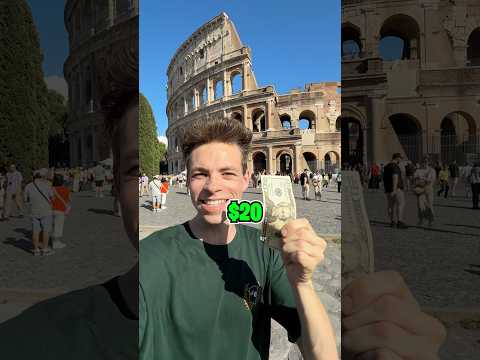
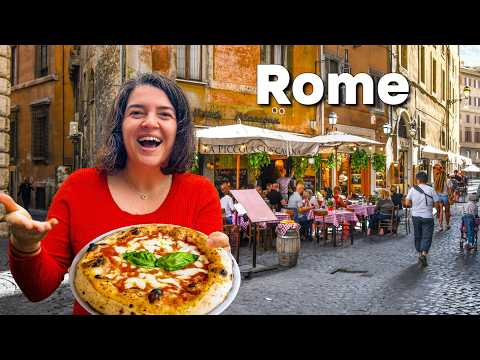
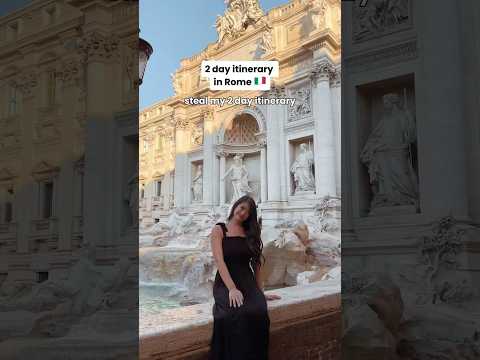

Photo by Harold Wainwright on Unsplash

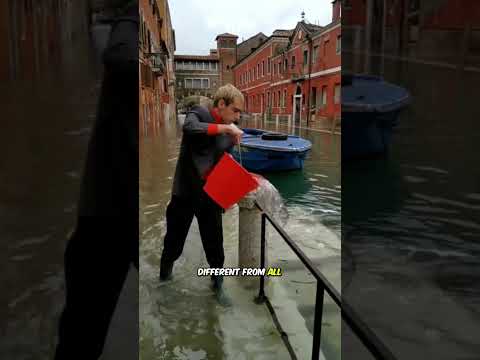
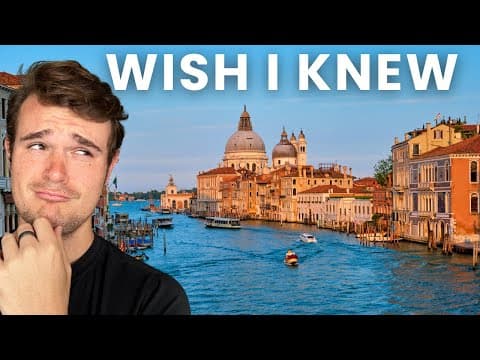
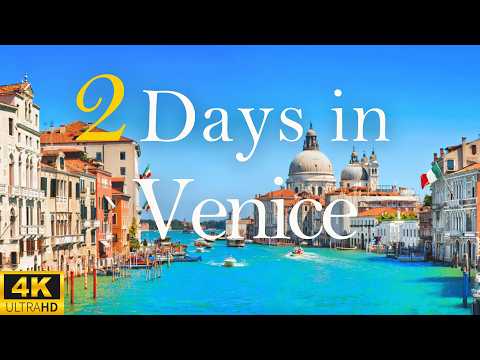
Venice is impossible to adequately prepare for. Built on 118 small islands in a lagoon in northeastern Italy, it is a city entirely without cars, where every form of transport involves water. Gondolas, vaporetti (water buses) and motorboats navigate a network of 150 canals, and the absence of engine noise gives the city an atmosphere unlike anywhere else on earth. St. Mark's Square (Piazza San Marco) is the centrepiece — the Byzantine Basilica di San Marco, the Doge's Palace and the Campanile (bell tower) together form one of the world's great urban compositions. The palace's interior reveals the extraordinary wealth and power of the Venetian Republic; the Bridge of Sighs connects it to the old prison. The Rialto Bridge and market have been the commercial heart of Venice for centuries. Getting lost in Venice's back canals and narrow calli (streets) is both inevitable and recommended. The sestiere (districts) each have their own character: Dorsoduro is the most elegant and less touristic; Cannaregio contains the world's first ghetto; Castello is where everyday Venetian life plays out. The islands of Murano (glassmaking), Burano (colourful lace-making village) and Torcello (oldest settlement in the lagoon) are short boat trips away. Visit in November–March for the most atmospheric, crowd-free experience; summer is extremely busy.