
Rio de Janeiro → São Paulo → Buenos Aires
Start Rio de Janeiro → São Paulo → Buenos Aires expecting famous sights, then stay for the way the atmosphere keeps changing. Rio de Janeiro → São Paulo → Buenos Aires spans 10 days and works best when you let each stop reveal a different side of the trip. The scenery keeps changing just enough to stop the trip from ever feeling repetitive. In Rio de Janeiro, expect beaches, Sugarloaf views, samba energy, and dramatic landscapes. Sao Paulo adds museums, nightlife, street art, and huge cultural depth. Time in Buenos Aires means tango, elegant avenues, steak houses, and late night soul. Spring and fall work especially well, balancing good weather and lively city energy. This itinerary suits music lovers, food focused travelers, couples, and curious explorers. That smooth progression matters, because it lets the itinerary feel full rather than fragmented. Comfortable shoes, flexible mornings, and room for spontaneous meals will improve this trip more than overplanning every hour. By the end, the route usually feels larger and richer than its map first suggests. Small local rituals such as coffee stops, market browsing, or a late viewpoint can shape the day beautifully. That blend of famous highlights and smaller discoveries is a big reason the route feels complete. It also stays flexible enough for different budgets and travel styles. The itinerary leaves room for slower meals and unexpected favorites. Plan your Rio de Janeiro → São Paulo → Buenos Aires trip today travelers often remember the small moments most on a route like this and that keeps.
Plan this trip
Route pre-filled — set your origin, dates and budget
Photo by Nadine Marfurt on Unsplash
Rio de Janeiro is one of the world's most spectacular cities — dramatically set between the Atlantic Ocean, Guanabara Bay, the jungle-covered mountains of the Serra do Mar and the distinctive granite peaks (Corcovado, Pão de Açúcar) that give it an unmatched natural backdrop. It is a city of beauty, vitality, social inequality and the most famous carnival on Earth. The Christ the Redeemer statue (Cristo Redentor) on the summit of Corcovado (709m), arms outstretched over the city, is one of the world's most recognisable monuments — the view from the base looks out over the entire city and bay in a panorama of extraordinary breadth. The Sugarloaf Mountain (Pão de Açúcar), accessible by cable car in two stages, gives equally spectacular views particularly at sunset. Both can be crowded; morning visits are best. Copacabana and Ipanema beaches are world-famous and genuinely excellent — the beach culture here (futebol, volleyball, caipirinha vendors, outdoor showers, the entire city sunbathing together) is at its most vivid on weekends. Lapa, the historic entertainment district, is the best destination for live samba music on Thursday and Friday nights. The Carnaval (February/March) is the world's largest festival — the Sambódromo parade is extraordinary. Santa Teresa, the hillside bohemian neighbourhood above Lapa, has excellent restaurants and views. Security has improved significantly in tourist areas.




Photo by Ian Talmacs on Unsplash

Photo by Gustavo Sánchez on Unsplash
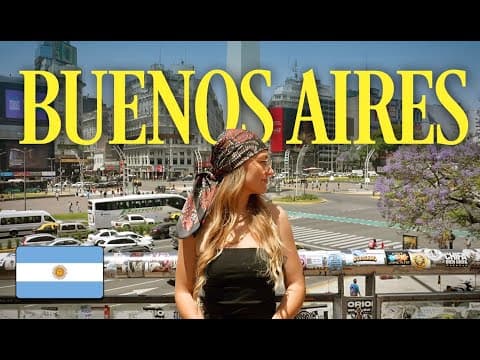
Buenos Aires is South America's most European-influenced and sophisticated city — a vast, passionate Argentine metropolis of 15 million in the metropolitan area on the Río de la Plata estuary, where tango was born, where beef is a religion, and where the architectural heritage of the early 20th century boom years created one of the most visually impressive cities in the Southern Hemisphere. The Puerto Madero waterfront redevelopment is the city's most spectacular modern area — the Woman's Bridge by Santiago Calatrava, the converted red-brick dock warehouses now filled with restaurants and nightclubs, and the stunning Fundación Proa contemporary art museum. The Palermo neighbourhood (particularly Palermo Soho and Palermo Hollywood) is the city's creative heart — boutique hotels, restaurants, design shops and the city's finest people-watching. La Boca's Caminito alleyway (colourful corrugated iron houses, tango street performers) is tourist but genuine. The Recoleta Cemetery — where Evita Perón is buried in an elaborate mausoleum, surrounded by the tombs of Argentina's most famous families in a necropolis of extraordinary architectural extravagance — is a genuine highlight. The MALBA (Museum of Latin American Art) holds an outstanding collection. The Teatro Colón is one of the world's finest opera houses (guided tours available when not in use). The San Telmo antiques market on Sundays is excellent. Argentine beef, eaten at asado barbecues or in traditional parrillas, is world-class.