
Munich → Innsbruck → Verona
On paper, Munich → Innsbruck → Verona looks efficient, but in practice it feels textured, layered, and full of payoff. Munich → Innsbruck → Verona spans 7 days and works best when you let each stop reveal a different side of the trip. The scenery keeps changing just enough to stop the trip from ever feeling repetitive. In Munich, expect beer gardens, polished boulevards, museums, and mountain access. Innsbruck adds alpine scenery, colorful facades, and a crisp outdoorsy mood. Time in Verona means Roman remains, elegant squares, romance, and wine bar evenings. May to June and September to October are especially rewarding, with comfortable walking weather. It works well for couples, history lovers, rail travelers, and architecture fans. That smooth progression matters, because it lets the itinerary feel full rather than fragmented. Comfortable shoes, flexible mornings, and room for spontaneous meals will improve this trip more than overplanning every hour. By the end, the route usually feels larger and richer than its map first suggests. Small local rituals such as coffee stops, market browsing, or a late viewpoint can shape the day beautifully. That blend of famous highlights and smaller discoveries is a big reason the route feels complete. It also stays flexible enough for different budgets and travel styles. The itinerary leaves room for slower meals and unexpected favorites. Even shorter stays still feel worthwhile because each city gives you a quick, vivid sense of place. Neighborhood walks often become as valuable as the signature sights. Plan your Munich → Innsbruck → Verona trip today.
Plan this trip
Route pre-filled — set your origin, dates and budget
Munich is the capital of Bavaria, Germany's largest and most prosperous state, and the country's most visited city after Berlin. It combines Bavarian tradition — beer halls, lederhosen, the Alps on the horizon — with genuine cosmopolitan sophistication, world-class museums, and the kind of quality of life that consistently places it at the top of global rankings. The English Garden (Englischer Garten) is larger than New York's Central Park and the city's great outdoor living room — locals surf an artificial wave on the Eisbach stream even in winter. The Marienplatz, with its neo-Gothic Neues Rathaus (new town hall) and its famous Glockenspiel carillon, is the city centre. The Deutsches Museum is the world's largest science and technology museum, while the Alte Pinakothek, Neue Pinakothek and Pinakothek der Moderne form one of Germany's finest art museum clusters. Oktoberfest (late September to early October) is the world's most famous festival — an extraordinary spectacle of beer, music, lederhosen and Bavarian identity, though the city is excellent year-round. The Hofbräuhaus beer hall on Platzl is a tourist institution but worth experiencing. Day trips to Neuschwanstein Castle, the Bavarian Alps, Dachau Memorial and the Chiemsee lake are all manageable from Munich. The city's food markets, particularly Viktualienmarkt, are outstanding.
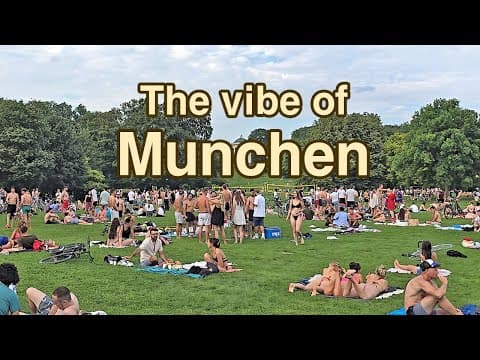
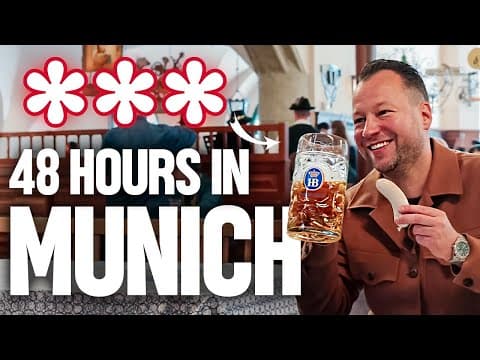
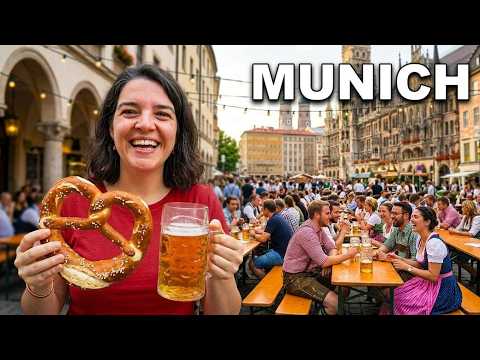

Photo by Vladislav Anchuk on Unsplash
Innsbruck is the capital of the Austrian Alps — a Baroque city in the Inn Valley completely surrounded by dramatic mountain peaks, including the Nordkette range that rises almost vertically from the city's edge to 2,334 metres. It has hosted the Winter Olympics twice (1964 and 1976) and remains one of Europe's premier ski and outdoor destinations, yet the historic old town is genuinely excellent in its own right. The Golden Roof (Goldenes Dachl) — the ornate Gothic loggia with gilded copper roof tiles built for Emperor Maximilian I in the 15th century — is the defining image of Innsbruck. The Hofburg (Imperial Palace), the Hofkirche (court church containing the extraordinary cenotaph of Maximilian I surrounded by 28 oversized bronze statues of Habsburg ancestors), and the Triumphpforte (triumphal arch) form the core of the Baroque heritage. The Tyrolean Folk Art Museum adjacent to the Hofkirche is excellent. The Nordkette cable car rises directly from the edge of the old town to the high Alpine terrain above — in 25 minutes you can be at 2,334 metres amid Alpine scenery. Skiing from Innsbruck is exceptional: 9 connected ski areas are accessible via the Innsbruck Ski Pass. In summer, hiking and mountain biking replace skiing. The Swarovski Crystal Worlds at Wattens (30 minutes) is a remarkable arts and design attraction. Innsbruck is genuinely excellent year-round.
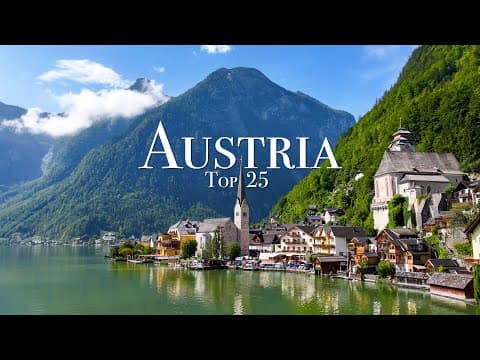
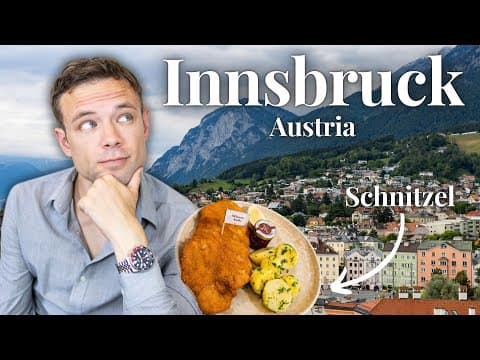
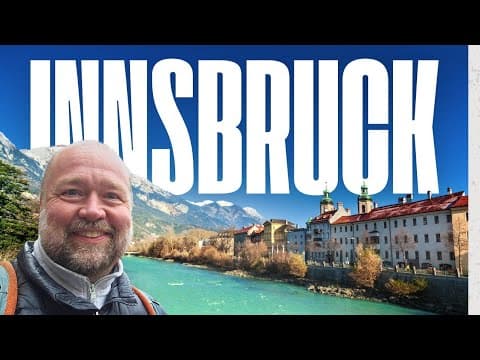

Photo by João Rodrigues on Unsplash
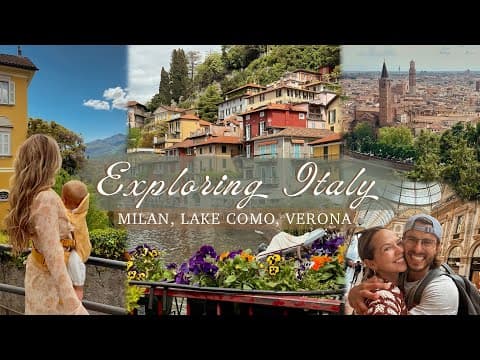
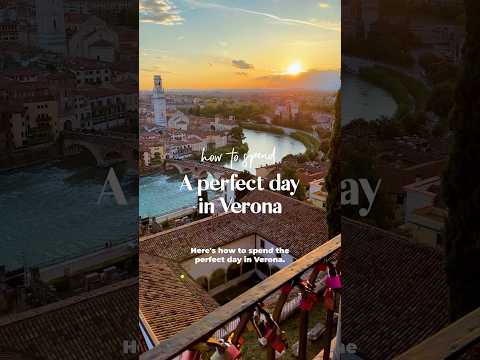
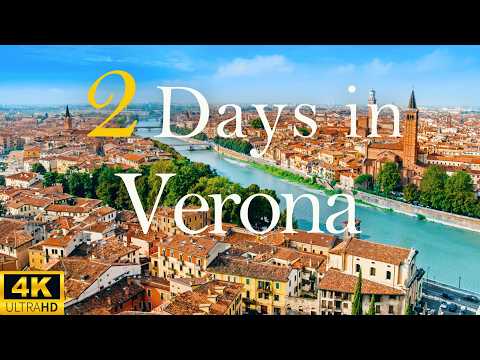
Verona, Shakespeare's city of Romeo and Juliet, is one of northern Italy's most beautiful and historically significant cities — a well-preserved Roman city on a bend in the Adige River, encircled by medieval walls and presided over by an extraordinarily intact 1st-century Roman amphitheatre. Its combination of Roman, medieval and Renaissance layers in an intimate, walkable city makes it one of Italy's most rewarding. The Arena di Verona, a Roman amphitheatre seating 22,000 people, is still used for extraordinary open-air opera performances in summer (the summer opera season is world-famous) — watching an operatic production in this space under the stars is genuinely unforgettable. The Piazza Bra, where the Arena stands, and the Piazza delle Erbe (the old Roman forum, still the city's market square) are beautiful and full of life. The medieval Scaligeri family tombs, elaborate Gothic funerary monuments in a small enclosure, are remarkable. Juliet's balcony (Casa di Giulietta) — a 13th-century house that may or may not have been the Capulet residence — is always crowded, but the romantic pilgrimage continues regardless. Castelvecchio, the 14th-century Scaligeri fortress on the Adige with a beautiful bridge, houses one of Veneto's finest art museums. The Giusti Garden, one of Italy's greatest Renaissance gardens, is excellent. Day trips to Lake Garda (30 minutes), Mantua and Padua are easy. The city's food (horse meat, pastissada, local Valpolicella, Amarone and Soave wines) is excellent.