

Mexico City → Oaxaca → Cancun
On paper, Mexico City → Oaxaca → Cancun looks efficient, but in practice it feels textured, layered, and full of payoff. Mexico City → Oaxaca → Cancun spans 9 days and works best when you let each stop reveal a different side of the trip. The scenery keeps changing just enough to stop the trip from ever feeling repetitive. In Mexico City, expect grand plazas, museums, leafy neighborhoods, and extraordinary food. Oaxaca adds color, mezcal, indigenous traditions, and artisan markets. Time in Cancun means Caribbean beaches, reef trips, resort ease, and turquoise water. November to April is usually the best season, with sunny weather for cities and beaches. It is perfect for food lovers, beach fans, couples, and warm weather travelers. That smooth progression matters, because it lets the itinerary feel full rather than fragmented. Comfortable shoes, flexible mornings, and room for spontaneous meals will improve this trip more than overplanning every hour. By the end, the route usually feels larger and richer than its map first suggests. Even shorter stays still feel worthwhile because each city gives you a quick, vivid sense of place. Neighborhood walks often become as valuable as the signature sights. Small local rituals such as coffee stops, market browsing, or a late viewpoint can shape the day beautifully. That blend of famous highlights and smaller discoveries is a big reason the route feels complete. It also stays flexible enough for different budgets and travel styles. Plan your Mexico City → Oaxaca → Cancun trip today travelers often remember the small moments.
Plan this trip
Route pre-filled — set your origin, dates and budget
Photo by Laurentiu Morariu on Unsplash
Mexico City, one of the world's largest metropolises at 22 million in the greater metropolitan area, is an overwhelming and magnificent capital that sits at 2,240 metres altitude on a former lake bed in the Valley of Mexico. It is one of the world's great cities for art, food, history and cultural depth — a city that rewards exploration at every level. The historic centre (Centro Histórico) is the place to begin: the Zócalo (the largest plaza in Latin America), the Metropolitan Cathedral built on Aztec ruins, and the extraordinary Palacio Nacional with Diego Rivera's monumental murals depicting Mexican history from the Aztec empire to the Revolution are all here. The Templo Mayor archaeological site, the remains of the Aztec capital Tenochtitlán, sits directly beside the cathedral — the juxtaposition is extraordinary. The Anthropology Museum in Chapultepec Park is one of the world's great museums. The Frida Kahlo Museum (La Casa Azul) in Coyoacán, Kahlo's blue house where she was born and died, is essential. Chapultepec Park is one of the world's largest urban parks. Palacio de Bellas Artes (Art Nouveau exterior, Art Deco interior, Rivera murals inside) is magnificent. The food — tacos, tamales, chilaquiles, tlayudas, mole — is extraordinary and the markets (La Merced, Jamaica, Coyoacán) are endlessly fascinating. Polanco is Mexico City's luxury restaurant neighbourhood; Roma Norte and Condesa are the most vibrant for independent culture.


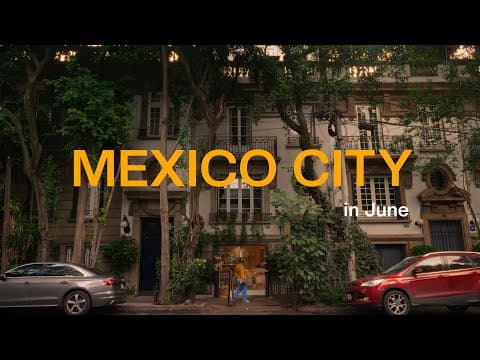

Photo by Ursula Castillo on Unsplash
Oaxaca, in the mountainous south of Mexico, is one of the most culturally rich and gastronomically significant cities in Latin America — a colonial city of coloured stucco buildings, excellent artisan markets, extraordinary indigenous cultural heritage (the Zapotec and Mixtec peoples have been here for 2,500 years) and a cuisine so important that it was included on UNESCO's Intangible Cultural Heritage list alongside Mexican cuisine generally. Monte Albán, a Zapotec archaeological site built on an artificially flattened hilltop 10km from the city, is one of the Americas' most significant — an ancient capital with pyramids, plazas and ball courts that was continuously inhabited from 500 BC to 700 AD. The Regional Museum of Oaxaca in the former monastery of Santo Domingo holds the extraordinary Tomb 7 treasures from Monte Albán. The Tule Tree (the world's widest tree trunk, a Montezuma cypress over 2,000 years old) is 12km from the city. Oaxacan cuisine is considered the most diverse and complex in Mexico — the seven moles (negro, colorado, amarillo, verde, rojo, chichilo, manchamanteles) are extraordinary. The markets — Benito Juárez, Mercado 20 de Noviembre (for tlayudas and grilled meats) and the Saturday Tlacolula market — are essential food experiences. Mezcal, the artisanal spirit distilled from agave that originates here, is Oaxaca's other great contribution to the world. The Day of the Dead celebrations (November 1–2) in Oaxaca are among Mexico's most elaborate and visually extraordinary.
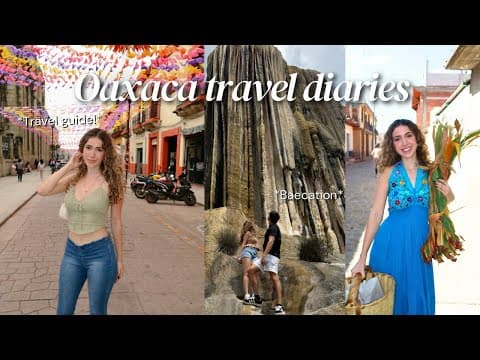


Photo by Margo Evardson on Unsplash