
Madrid → Barcelona → Valencia
On paper, Madrid → Barcelona → Valencia looks efficient, but in practice it feels textured, layered, and full of payoff. Madrid → Barcelona → Valencia spans 8 days and works best when you let each stop reveal a different side of the trip. Food quietly carries the route too, because each stop gives you a different table, market, or café culture. Time in Madrid means grand museums, broad avenues, late dining, and confident urban energy. Barcelona brings Gaudí architecture, tapas culture, beach access, and creative Mediterranean energy. In Valencia, expect beaches, paella heritage, futuristic architecture, and an easygoing pace. Late spring and early fall are usually the best seasons, with mild weather and long sightseeing days. It suits first time Europe visitors, couples, friends, and culture focused travelers. Good connections are a quiet strength here, making the route easier than many equally ambitious plans. To keep the route enjoyable, avoid overloading arrival days and save some energy for evenings. Even the smaller moments tend to land well here, which is usually the sign of a genuinely strong itinerary. It also stays flexible enough for different budgets and travel styles. The itinerary leaves room for slower meals and unexpected favorites. Even shorter stays still feel worthwhile because each city gives you a quick, vivid sense of place. Neighborhood walks often become as valuable as the signature sights. Small local rituals such as coffee stops, market browsing, or a late viewpoint can shape the day beautifully. Plan your Madrid → Barcelona → Valencia trip today travelers often remember.
Plan this trip
Route pre-filled — set your origin, dates and budget
Photo by Pietra Cruz on Unsplash

Photo by Ansar Naib on Unsplash
Barcelona, the capital of Catalonia on Spain's northeastern Mediterranean coast, is one of Europe's most seductive cities. It manages the rare trick of being simultaneously a great beach destination and a world-class cultural capital, all wrapped up in a walkable, vibrant urban environment. Antoni Gaudí's architectural genius defines the city's skyline. The Sagrada Família — his extraordinary unfinished basilica — is unlike any other building on the planet, while Park Güell, Casa Batlló and Casa Milà demonstrate his uncanny ability to make architecture feel organic and alive. Beyond Gaudí, the Gothic Quarter's medieval labyrinth of lanes conceals Roman ruins, independent boutiques and some of the city's best tapas bars. The city's beach, stretching along Barceloneta, was largely created for the 1992 Olympics and remains a hub for locals and visitors alike. Las Ramblas, despite being the city's most tourist-heavy thoroughfare, still has an undeniable energy at any hour. El Born and Gràcia offer a more local pace — craft cocktail bars, design shops and excellent restaurants. Barcelona's food scene, from market stalls in La Boqueria to avant-garde tasting menus, is reason enough to visit. The best months are May, June, September and October.
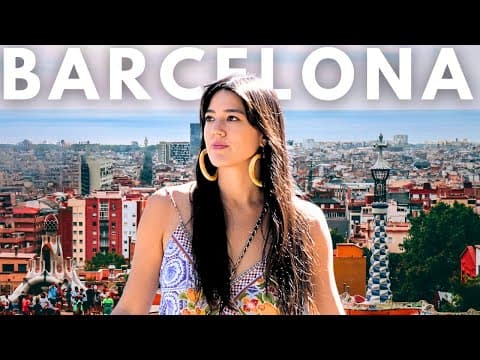
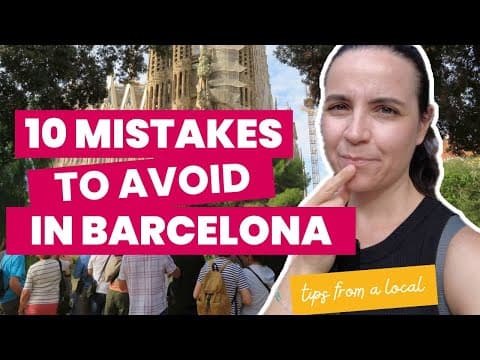
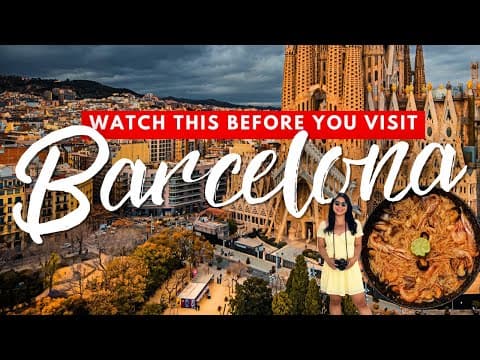

Photo by Carmen Laezza on Unsplash
Valencia is Spain's third-largest city and arguably its most underrated. Situated on the Mediterranean coast between Barcelona and Alicante, it combines a magnificent historic old town with a futuristic arts complex, excellent beaches and the undeniable honour of being the birthplace of paella — still cooked here in the traditional way with rabbit, chicken and local vegetables. The City of Arts and Sciences — Santiago Calatrava's swooping, white, bone-like complex of museums, an opera house, an aquarium and an IMAX cinema — is one of Europe's most dramatic pieces of contemporary architecture, sitting in the old Turia riverbed that was converted to a park after flooding in 1957. The old town contains the imposing Cathedral (said to hold the Holy Grail), the Baroque Palacio del Marqués de Dos Aguas and the Central Market, an Art Nouveau masterpiece and one of Europe's finest fresh produce markets. Valencia's beach neighbourhood, La Malvarrosa, is a genuine urban beach where locals swim, cycle and eat. The Malvarossa promenade is excellent for seafood restaurants. Las Fallas, Valencia's spectacular March festival of enormous paper-maché sculptures that are ultimately burned, is one of Spain's most extraordinary celebrations. The city is significantly cheaper than Barcelona and Madrid, with excellent public transport. Spring and autumn are ideal; summers are warm but less intense than inland Spain.