
Los Angeles → Las Vegas → Grand Canyon → San Francisco
You could book Los Angeles → Las Vegas → Grand Canyon → San Francisco for the landmarks alone, yet the route succeeds because of its rhythm. Los Angeles → Las Vegas → Grand Canyon → San Francisco spans 10 days and works best when you let each stop reveal a different side of the trip. There is a faintly romantic quality to the sequence, especially if you enjoy long evenings and scenic arrivals. In Los Angeles, expect Hollywood, beaches, studio culture, and endless California light. Las Vegas adds neon nightlife, headline entertainment, resorts, and desert spectacle. Time in Grand Canyon means jaw dropping viewpoints, canyon trails, and epic natural scale. San Francisco brings hills, bay views, cable cars, and neighborhoods with character. Spring and early fall are excellent for road trips and city stops. It is ideal for road trip lovers, couples, photographers, and landscape driven travelers. That smooth progression matters, because it lets the itinerary feel full rather than fragmented. Comfortable shoes, flexible mornings, and room for spontaneous meals will improve this trip more than overplanning every hour. By the end, the route usually feels larger and richer than its map first suggests. Small local rituals such as coffee stops, market browsing, or a late viewpoint can shape the day beautifully. That blend of famous highlights and smaller discoveries is a big reason the route feels complete. It also stays flexible enough for different budgets and travel styles. Plan your Los Angeles → Las Vegas → Grand Canyon → San Francisco trip today travelers often remember the small.
Plan this trip
Route pre-filled — set your origin, dates and budget
Photo by Jules Marvin Eguilos on Unsplash
Los Angeles is the most sprawling, car-dependent and cinematically mythologised metropolis in the United States — a city that has been dreamed about, discussed, dismissed and reinvented so many times that arriving for the first time feels like entering a familiar scene from a thousand films and television shows. It is also a place of extraordinary cultural diversity, excellent food (some of the finest Mexican, Japanese, Korean and Ethiopian cooking in North America), and a natural setting of rare beauty — beaches, mountains and desert within an hour's drive in any direction. The visitor's LA is concentrated along the Westside and coastal strip: Santa Monica pier and beach, Venice Beach's boardwalk, the Getty Center (Richard Meier's hilltop museum with outstanding European paintings and Pacific views), the Griffith Observatory (panoramic views and excellent astronomy), the Hollywood Walk of Fame and Grauman's Chinese Theatre, the Getty Villa (Roman villa with Greek and Roman antiquities) and the LA County Museum of Art. Beyond the tourist infrastructure, LA rewards those who drive and explore: the Grand Central Market downtown for extraordinary multicultural street food, Koreatown for the finest Korean barbecue outside Seoul, Silver Lake and Los Feliz for independent bookshops and cafés, Malibu for surf and celebrity, Joshua Tree for desert camping under extraordinary night skies. The Los Angeles food truck scene is extraordinary. The Broad and MOCA are world-class contemporary art museums.

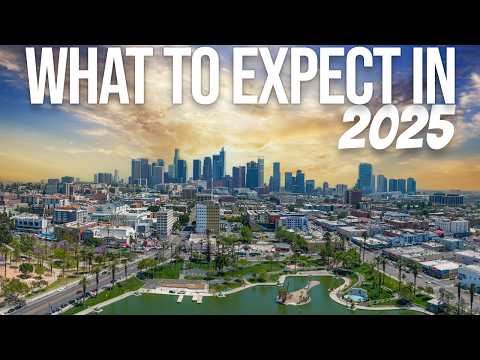

Photo by Luana Scorsoni on Unsplash
Las Vegas is the world's entertainment capital — an improbable city of 650,000 people in the middle of the Mojave Desert whose existence is entirely devoted to gambling, spectacle, luxury and excess. The Strip (Las Vegas Boulevard South) is one of the world's most extraordinary built environments: a 6.8-kilometre parade of enormous themed casino hotels — the Bellagio (dancing fountains), the MGM Grand, the Venetian (complete with gondolas), Caesars Palace, the Cosmopolitan — competing in scale and spectacle. Every major global entertainment act performs in Las Vegas residencies. Cirque du Soleil operates multiple permanent shows; celebrity chefs (Gordon Ramsay, Wolfgang Puck, Joel Robuchon) operate restaurants in the major casinos; the Sphere (a 160,000 square foot LED-covered globe seating 17,500) is the most remarkable new entertainment venue of the 21st century. The Fremont Street Experience in downtown is free and wild — a video-canopy covering 5 blocks of the original casino strip with hourly light shows. Beyond the Strip, Las Vegas is the gateway to extraordinary natural landscapes. Red Rock Canyon (30 minutes), Valley of Fire (1 hour), Hoover Dam and Lake Mead (45 minutes), Zion National Park (2.5 hours) and the Grand Canyon South Rim (4.5 hours) are all accessible as day trips. Las Vegas is an excellent, affordable hub for exploring the American Southwest. The food scene has improved dramatically and genuine fine dining is excellent.
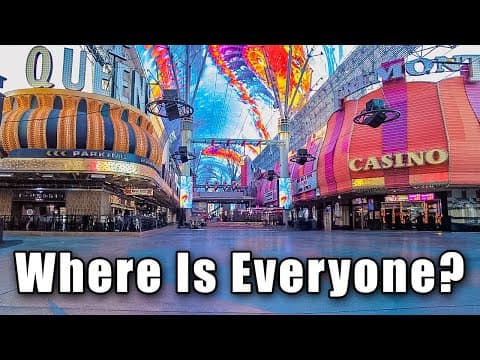


Photo by Jacob Jolibois on Unsplash

Photo by Aamy Dugiere on Unsplash
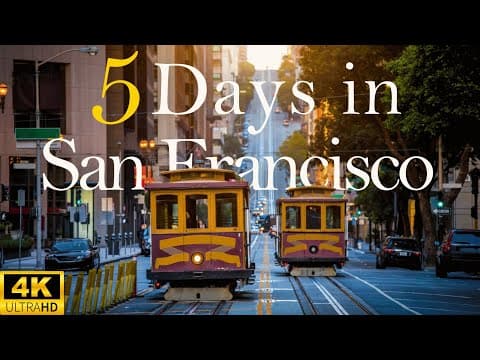
San Francisco is one of America's most beautiful and culturally distinctive cities — a hilly, foggy peninsula at the edge of the Pacific, where Victorian "painted lady" houses cling to steep streets, cable cars climb between SOMA and Nob Hill, and the Golden Gate Bridge spans the entrance to San Francisco Bay in one of the world's most dramatic engineering and natural compositions. The city is compact and remarkably walkable despite its hills. Fisherman's Wharf, Pier 39 and the Ferry Building Marketplace are the obvious tourist starting points; the Ferry Building's Saturday farmers market is one of America's finest. The Mission District is the city's most vibrant neighbourhood — extraordinary Mexican murals in Clarion Alley, excellent burritos at La Taqueria, bars and cafés on Valencia Street. Chinatown, the oldest in North America, is dense and excellent for dim sum. The Castro is the historic heart of LGBTQ+ culture. Haight-Ashbury retains its 1960s psychedelic bohemian identity. Alcatraz (book well ahead), the Golden Gate Bridge (cycling the bridge and returning by ferry is the best approach), Muir Woods National Monument and the wine country of Napa and Sonoma (1–1.5 hours north) are essential excursions. The tech industry has transformed San Francisco's demographics and economics in ways that are constantly debated. The food scene is extraordinary — from street food burritos to extraordinary tasting menus. The fog that rolls in from the Pacific creates a particular atmospheric quality.