
Lisbon → Porto → Seville
There is nothing flat about Lisbon → Porto → Seville; every leg pushes the journey into a different mood. Lisbon → Porto → Seville spans 8 days and works best when you let each stop reveal a different side of the trip. From a practical point of view, it is a strong choice because the travel days stay manageable. Lisbon adds yellow trams, tiled streets, hilltop viewpoints, and soulful evenings. Time in Porto means riverfront scenery, port wine cellars, steep alleys, and warm local character. Seville brings flamenco spirit, Moorish palaces, orange courtyards, and long tapas evenings. Late spring and early fall are usually the best seasons, with mild weather and long sightseeing days. It suits first time Europe visitors, couples, friends, and culture focused travelers. The travel days are controlled enough that the journey stays exciting instead of tiring. A useful rhythm is one headline sight and one neighborhood experience per day, then enough space for detours. That balance of contrast and continuity is what makes this kind of journey satisfying rather than rushed. That blend of famous highlights and smaller discoveries is a big reason the route feels complete. It also stays flexible enough for different budgets and travel styles. The itinerary leaves room for slower meals and unexpected favorites. Even shorter stays still feel worthwhile because each city gives you a quick, vivid sense of place. Neighborhood walks often become as valuable as the signature sights. Plan your Lisbon → Porto → Seville trip today travelers often remember the small moments most on.
Plan this trip
Route pre-filled — set your origin, dates and budget
Photo by Felicia Varzari on Unsplash

Photo by Emmanuel Awotunde on Unsplash
Porto is one of Europe's most charming and rapidly rising cities, a place where crumbling azulejo-tiled facades, steep granite lanes and vertiginous views over the Douro River create a romantic atmosphere that is entirely authentic rather than manufactured for tourism. The Portuguese city has always lived in Lisbon's shadow, but for many visitors it now surpasses the capital in character and appeal. The historic centre, a Unesco World Heritage Site, is centred on Ribeira — the waterfront district below the Dom Luís I Bridge where port wine lodges line the opposite bank in Vila Nova de Gaia. The twin iron towers of the Clérigos Church, the extraordinary azulejo-covered São Bento railway station and the grandiose Livraria Lello bookshop (said to have inspired J.K. Rowling's Hogwarts library) are key landmarks. The Sé (cathedral), perched on a hill with panoramic views, is the city's oldest monument. The craft beer and coffee scene has transformed Porto's Bonfim and Cedofeita neighbourhoods into destinations for younger travellers. The local cuisine — francesinha (a magnificent, calorie-laden sandwich in tomato-beer sauce), bacalhau in all its hundred forms, fresh seafood — is excellent and affordable. Port wine tasting in the historic lodges of Vila Nova de Gaia is essential. Visit in spring or autumn; summers are warm but manageable.
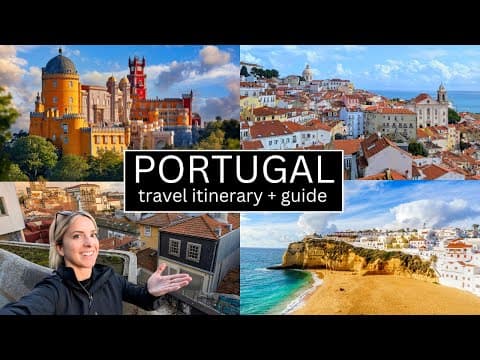
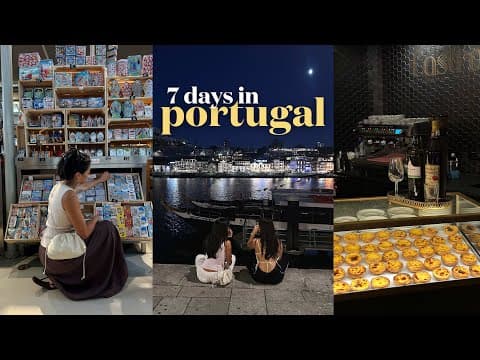
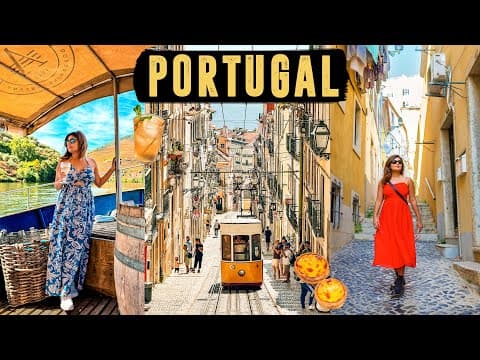

Photo by Alex Robertson on Unsplash
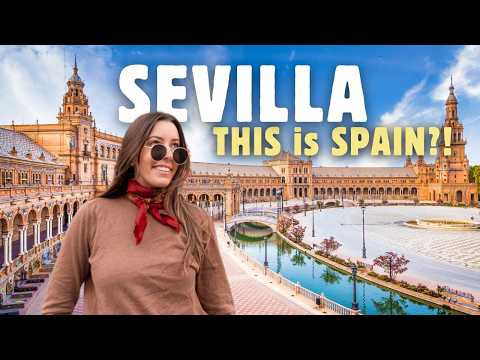
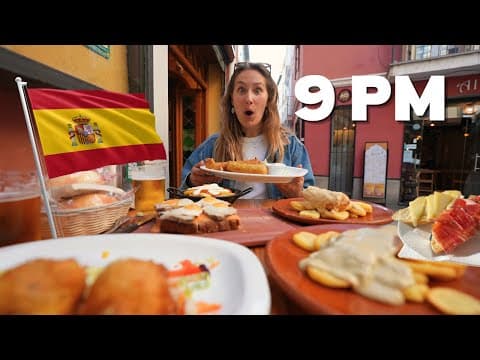
Seville, the capital of Andalusia in southern Spain, is the most Spanish of Spanish cities — a place where flamenco is not a tourist performance but a lived tradition, where tapas culture was arguably born, and where the passion and drama often associated with Spain reach their most concentrated expression. It sits on the Guadalquivir River and bakes under an intense southern sun, which only adds to its intoxicating character. The Cathedral of Seville is the largest Gothic cathedral in the world and contains Columbus's tomb; climbing the Giralda tower beside it gives superb views over the city's orange-tree-lined streets. The Real Alcázar, an extraordinary Mudéjar palace complex still used by the Spanish royal family, is among the finest examples of Moorish architecture in Europe. The María Luisa Park and its Plaza de España, built for the 1929 Ibero-American Exposition, is one of the most spectacular urban parks in Spain. Seville's Triana district — the traditional home of flamenco and gitano culture — lies across the river and rewards an evening's exploration. The tapas culture here is serious: a glass of fino sherry and small plates of jamón, pescadito frito and cazón en adobo are the local rhythm. The April Feria (spring fair) and Holy Week (Semana Santa) processions are among Spain's greatest spectacles. Autumn and spring are the best seasons; July and August are extremely hot.