
Lima → Cusco → Buenos Aires
Lima → Cusco → Buenos Aires begins like a trip for travelers who hate monotony and love contrast. Lima → Cusco → Buenos Aires spans 10 days and works best when you let each stop reveal a different side of the trip. Culturally, the journey stays rewarding because the cities never blur into one another. Lima brings Pacific views, colonial squares, and one of South America’s great food scenes. In Cusco, expect Inca heritage, cobbled streets, mountains, and Sacred Valley access. Buenos Aires adds tango, elegant avenues, steak houses, and late night soul. Spring and fall work especially well, balancing good weather and lively city energy. This itinerary suits music lovers, food focused travelers, couples, and curious explorers. Because the transfers are manageable, the route keeps its momentum without wasting too many hours in transit. Book the biggest attractions and the key transport segments in advance if you are traveling during busy weeks. What stays with most travelers is not just the landmarks but the changing texture of each day. Neighborhood walks often become as valuable as the signature sights. Small local rituals such as coffee stops, market browsing, or a late viewpoint can shape the day beautifully. That blend of famous highlights and smaller discoveries is a big reason the route feels complete. It also stays flexible enough for different budgets and travel styles. The itinerary leaves room for slower meals and unexpected favorites. Plan your Lima → Cusco → Buenos Aires trip today travelers often remember the small moments most on a route like.
Plan this trip
Route pre-filled — set your origin, dates and budget
Photo by Pedro Vergara on Unsplash
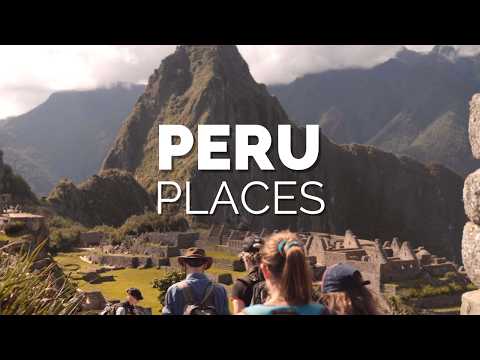
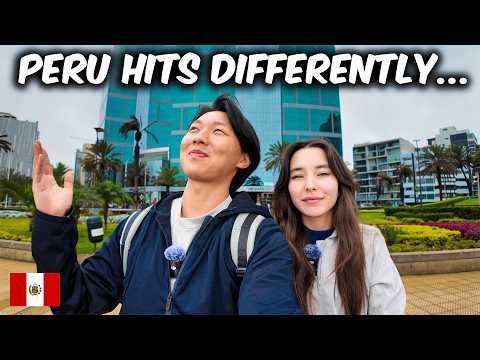
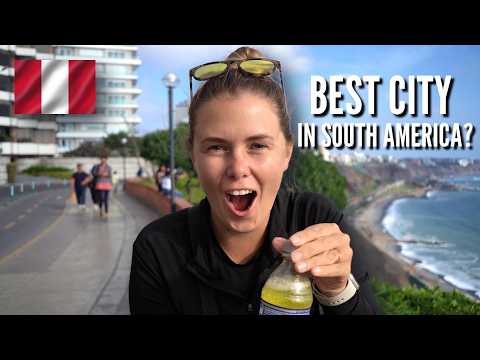

Photo by Will Goodman on Unsplash

Photo by Gustavo Sánchez on Unsplash
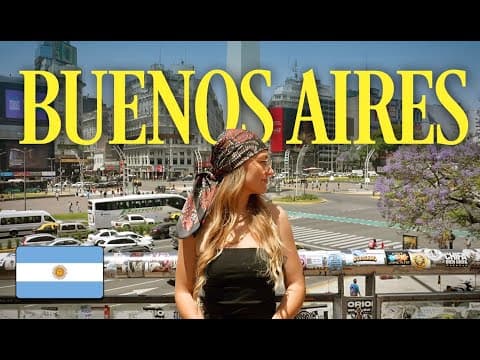
Buenos Aires is South America's most European-influenced and sophisticated city — a vast, passionate Argentine metropolis of 15 million in the metropolitan area on the Río de la Plata estuary, where tango was born, where beef is a religion, and where the architectural heritage of the early 20th century boom years created one of the most visually impressive cities in the Southern Hemisphere. The Puerto Madero waterfront redevelopment is the city's most spectacular modern area — the Woman's Bridge by Santiago Calatrava, the converted red-brick dock warehouses now filled with restaurants and nightclubs, and the stunning Fundación Proa contemporary art museum. The Palermo neighbourhood (particularly Palermo Soho and Palermo Hollywood) is the city's creative heart — boutique hotels, restaurants, design shops and the city's finest people-watching. La Boca's Caminito alleyway (colourful corrugated iron houses, tango street performers) is tourist but genuine. The Recoleta Cemetery — where Evita Perón is buried in an elaborate mausoleum, surrounded by the tombs of Argentina's most famous families in a necropolis of extraordinary architectural extravagance — is a genuine highlight. The MALBA (Museum of Latin American Art) holds an outstanding collection. The Teatro Colón is one of the world's finest opera houses (guided tours available when not in use). The San Telmo antiques market on Sundays is excellent. Argentine beef, eaten at asado barbecues or in traditional parrillas, is world-class.