
Istanbul → Cappadocia → Antalya
What gives Istanbul → Cappadocia → Antalya its charm is not only the places, but the tempo created between them. Istanbul → Cappadocia → Antalya spans 9 days and works best when you let each stop reveal a different side of the trip. The overall energy stays lively, which makes the itinerary easy to stay engaged with. Istanbul adds mosques, bazaars, ferries, palaces, and thrilling cross continental identity. Time in Cappadocia means fairy chimneys, cave hotels, sunrise balloons, and surreal valleys. Antalya brings beaches, an old harbor, ruins, and Turkish resort ease. October to March usually offers the most comfortable temperatures for sightseeing. This route suits culture seekers, adventurous travelers, families, and photographers. The travel days are controlled enough that the journey stays exciting instead of tiring. A useful rhythm is one headline sight and one neighborhood experience per day, then enough space for detours. That balance of contrast and continuity is what makes this kind of journey satisfying rather than rushed. That blend of famous highlights and smaller discoveries is a big reason the route feels complete. It also stays flexible enough for different budgets and travel styles. The itinerary leaves room for slower meals and unexpected favorites. Even shorter stays still feel worthwhile because each city gives you a quick, vivid sense of place. Neighborhood walks often become as valuable as the signature sights. Small local rituals such as coffee stops, market browsing, or a late viewpoint can shape the day beautifully. Plan your Istanbul → Cappadocia → Antalya trip today travelers often remember.
Plan this trip
Route pre-filled — set your origin, dates and budget
Photo by Shaghayegh Allahdad on Unsplash
Istanbul is one of the world's truly unique cities — the only metropolis that straddles two continents. Sitting on the Bosphorus Strait where Europe meets Asia, it has served as the capital of the Byzantine and Ottoman empires, accumulating layers of extraordinary history, architecture and culture that few cities can match. The historic peninsula of Sultanahmet is overwhelming with the weight of its monuments. The Hagia Sophia — first a Byzantine cathedral, then an Ottoman mosque, then a museum, now a mosque again — is one of the greatest buildings ever constructed. The Blue Mosque, Topkapı Palace (the seat of the Ottoman sultans for four centuries) and the Grand Bazaar, one of the world's oldest and largest covered markets, are all within walking distance. The Basilica Cistern, an underground Byzantine water reservoir, is hauntingly beautiful. Yet Istanbul is also a living, breathing, chaotic, gloriously noisy modern metropolis of 15 million people. The Beyoğlu neighbourhood, centred on İstiklal Avenue, is the city's modern cultural heart. Karaköy has transformed into a hub for coffee roasters, design studios and restaurants. The Bosphorus ferry between the European and Asian shores is a practical commute and a sublime journey. Istanbul's food — simit, baklava, döner, fresh fish sandwiches by the waterfront — is among the best street food on earth. Visit in April–June or September–November.

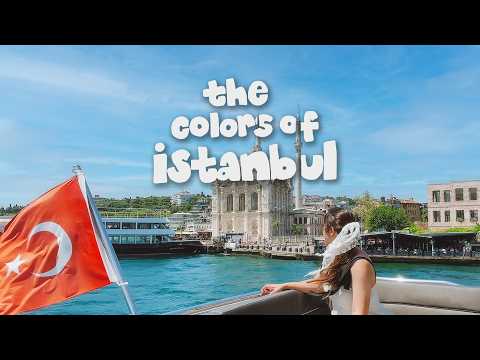
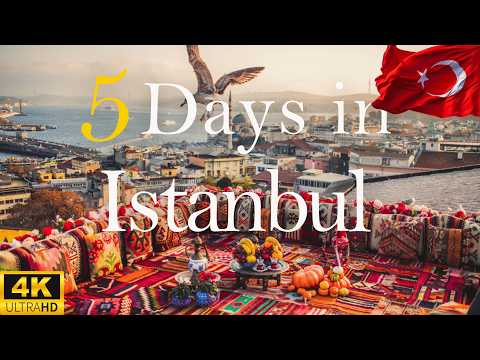

Photo by Igor Sporynin on Unsplash
Cappadocia, in the heart of Turkey, is one of the world's most extraordinary landscapes — a region of volcanic tuff (soft stone) sculpted by millions of years of erosion into a surreal terrain of pinnacles, cones, mushroom-shaped "fairy chimneys," cave valleys and underground cities that look like the surface of another planet. It has been inhabited since the Hittites, and the rock is riddled with cave churches, dovecotes, subterranean cities and entire cave monasteries. The hot-air balloon flights over Cappadocia at sunrise are among the world's great travel experiences — dozens of balloons rising together above the pink and orange valleys in the early light, with the landscape stretching to distant mountains. The Rose Valley, Red Valley, Love Valley and Pigeon Valley are the best for hiking and photography. The Göreme Open Air Museum, a UNESCO-protected cluster of Byzantine cave churches with extraordinary painted frescoes from the 10th–13th centuries, is outstanding. Derinkuyu and Kaymaklı Underground Cities (carved 8 storeys deep into the rock) are astonishing. Göreme is the main base — its cave hotels range from budget to luxury, all built into the volcanic rock. Ürgüp, Uçhisar and Ortahisar are alternatives with different characters. The pottery tradition of Avanos (on the Red River, whose reddish clay has been used for millennia) is excellent. Local Cappadocian wines (surprising quality) and the tandır lamb slow-cooked in clay pots are excellent. Visit April–June or September–November for the best conditions.
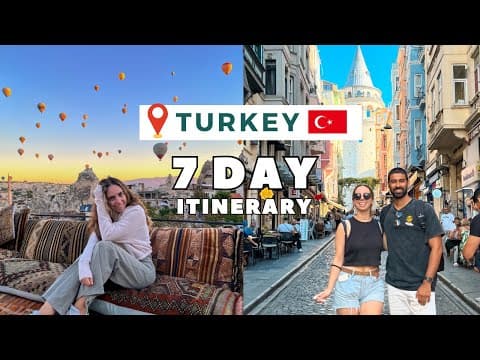


Photo by Igor Sporynin on Unsplash
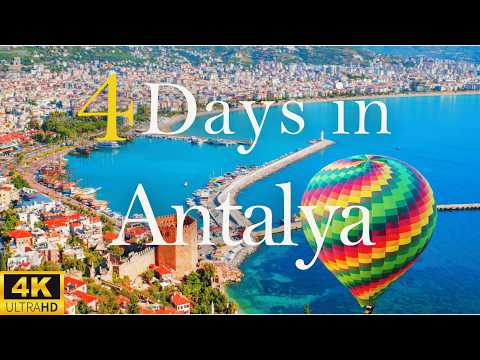
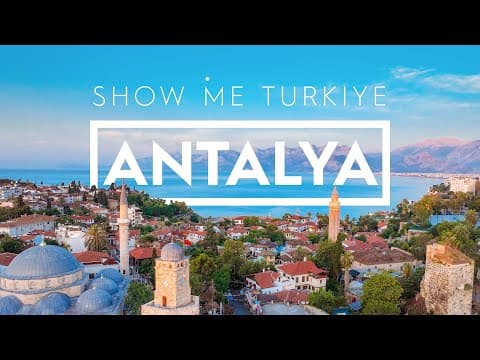
Antalya is the gateway city for the Turkish Riviera (the "Turquoise Coast") and one of Turkey's finest provincial cities — a Roman harbour city with a well-preserved Kaleiçi old town of Ottoman houses, Roman archways and Byzantine walls that is a genuine historical delight quite separate from the resort hotel strip that lines the surrounding coast. The old harbour (Yat Limanı) surrounded by Roman walls, the Hidirlik Tower (a 2nd-century Roman monument at the harbour entrance), Hadrian's Gate (a magnificent triple-arched triumphal arch from 130 AD) and the Yivli Minaret (the distinctive fluted minaret of a Seljuk mosque from 1230) are the key monuments, all within the Kaleiçi walls. The Antalya Museum is one of Turkey's finest archaeological museums, with exceptional Roman statuary from nearby excavations. The Düden Waterfalls — both the upper falls (a park of cascades) and the lower falls (which plunge directly into the sea from a clifftop) — are unusual and impressive natural features very close to the city. Perge, Aspendos (the best-preserved Roman theatre in the world, seating 12,000 and still used for opera), and Side are excellent archaeological day trips. The Taurus Mountains rise dramatically behind the city, and the Köprülü Canyon National Park offers rafting and hiking. Beaches of excellent quality extend both east and west of the city.