

Helsinki → Tallinn → Riga
If you like travel that refuses to stay predictable, Helsinki → Tallinn → Riga makes a strong case for itself. Helsinki → Tallinn → Riga spans 8 days and works best when you let each stop reveal a different side of the trip. From a practical point of view, it is a strong choice because the travel days stay manageable. Helsinki adds Nordic design, seaside promenades, saunas, and calm Baltic character. Time in Tallinn means medieval lanes, towers, creative districts, and cozy old town charm. Riga brings Art Nouveau facades, market halls, and vibrant Baltic atmosphere. Summer is easiest for long daylight hours and scenic travel, while winter suits snow lovers. It is ideal for design lovers, outdoor minded travelers, families, and couples. The travel days are controlled enough that the journey stays exciting instead of tiring. A useful rhythm is one headline sight and one neighborhood experience per day, then enough space for detours. That balance of contrast and continuity is what makes this kind of journey satisfying rather than rushed. That blend of famous highlights and smaller discoveries is a big reason the route feels complete. It also stays flexible enough for different budgets and travel styles. The itinerary leaves room for slower meals and unexpected favorites. Even shorter stays still feel worthwhile because each city gives you a quick, vivid sense of place. Neighborhood walks often become as valuable as the signature sights. Plan your Helsinki → Tallinn → Riga trip today travelers often remember the small moments most on a route like.
Plan this trip
Route pre-filled — set your origin, dates and budget
Helsinki is the most easterly and arguably the most distinctive of the Scandinavian capitals — a city with a compelling blend of Nordic cool, Finnish design culture, Russian imperial grandeur (Helsinki was built as a Russian imperial city in the 19th century) and an extraordinary relationship with nature. The Finnish capital sits on a peninsula in the Gulf of Finland, an archipelago of islands spreading out to sea, and residents combine urban sophistication with a deep attachment to the sauna and the forest. Senate Square, framed by the neoclassical Helsinki Cathedral and the Government Palace, is one of Northern Europe's finest urban spaces. The Temppeliaukio Church (the Rock Church), carved directly into solid granite bedrock and topped with a copper-ringed glass dome, is one of the most remarkable pieces of architecture in Europe. The Ateneum (Finnish art), Kiasma (contemporary art) and the Design Museum represent the city's cultural depth. Suomenlinna Sea Fortress, a Unesco World Heritage island fortress accessible by ferry, is a popular afternoon destination. Finnish design — Marimekko, Iittala, Arabia — is world-famous, and Helsinki's design district (the area around Iso Roobertinkatu) is excellent for shopping and galleries. The sauna culture here is sacred; Löyly, a public sauna on the waterfront, is outstanding. The White Nights of June and July offer almost 24-hour daylight. The Christmas season (December) is atmospheric. Helsinki is a gateway to Finnish Lapland, where aurora borealis viewing is excellent in winter.
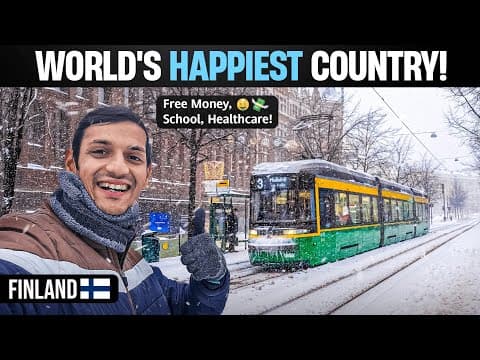

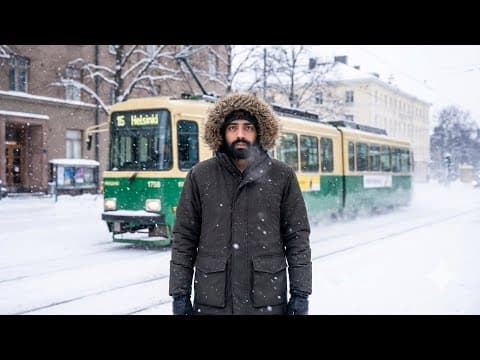

Photo by Piergiovanni Di Blasi on Unsplash
Tallinn, the capital of Estonia, possesses one of the best-preserved medieval old towns in all of Northern Europe. The walled hilltop Toompea (Upper Town) and the lower old town together form a Unesco World Heritage Site of extraordinary coherence — Gothic town hall, medieval towers and city walls, cobblestone streets and merchant houses that have barely changed in 600 years. Toompea Castle (now housing the Estonian Parliament), the Alexander Nevsky Cathedral (built by the Russian Empire in the 1890s), and the Dome Church (with its remarkable collection of aristocratic coats of arms) occupy the upper town. The lower town's Town Hall Square, Gothic Town Hall, St. Olaf's Church (with its tower long used as a navigational landmark for ships) and the medieval alleyways are best explored slowly. The Viru Gate is the atmospheric entrance to the old town from the modern city. Tallinn has one of the world's most remarkable digital societies — Estonia invented Skype, pioneered e-governance and offers e-residency — and that innovation is reflected in an excellent contemporary design and tech scene alongside the medieval heritage. The Telliskivi Creative City and Kalamaja neighbourhood, in converted industrial buildings, are the best areas for contemporary restaurants, cafés and galleries. Estonian cuisine — black bread, smoked fish, sour cream, blood sausages at Christmas — is distinctive. Tallinn is very affordable.
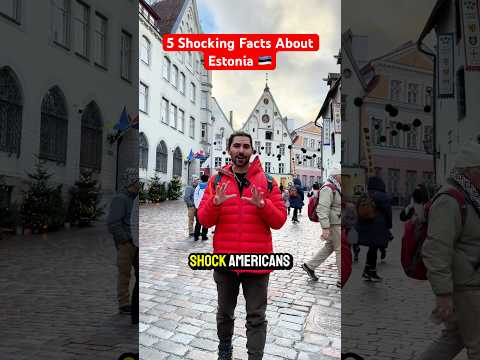
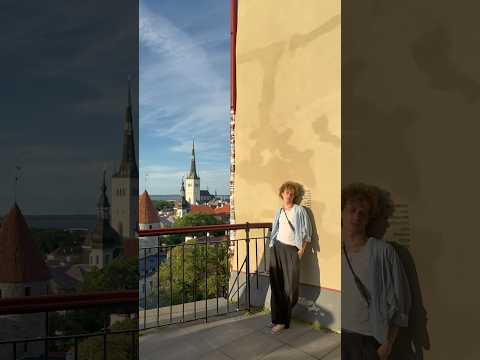
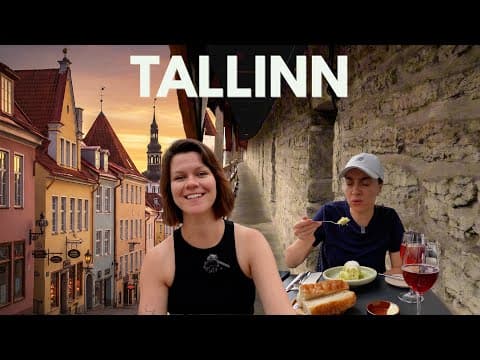

Photo by Kirke Põldsamm on Unsplash