
Dallas → Austin → Houston
There is nothing flat about Dallas → Austin → Houston; every leg pushes the journey into a different mood. Dallas → Austin → Houston spans 7 days and works best when you let each stop reveal a different side of the trip. Culturally, the journey stays rewarding because the cities never blur into one another. Dallas brings modern skylines, arts districts, and polished Texas confidence. In Austin, expect live music, food trucks, lakeside fun, and relaxed style. Houston adds museums, diverse neighborhoods, space history, and broad dining choices. Spring and fall work especially well, balancing good weather and lively city energy. This itinerary suits music lovers, food focused travelers, couples, and curious explorers. Because the transfers are manageable, the route keeps its momentum without wasting too many hours in transit. Book the biggest attractions and the key transport segments in advance if you are traveling during busy weeks. What stays with most travelers is not just the landmarks but the changing texture of each day. The itinerary leaves room for slower meals and unexpected favorites. Even shorter stays still feel worthwhile because each city gives you a quick, vivid sense of place. Neighborhood walks often become as valuable as the signature sights. Small local rituals such as coffee stops, market browsing, or a late viewpoint can shape the day beautifully. That blend of famous highlights and smaller discoveries is a big reason the route feels complete. It also stays flexible enough for different budgets and travel styles. Plan your Dallas → Austin → Houston trip today.
Plan this trip
Route pre-filled — set your origin, dates and budget
Dallas is Texas's most cosmopolitan city — a sprawling north Texas metropolis built on oil wealth and corporate ambition, with excellent art museums, a thriving restaurant scene, a dramatic memorial to one of history's most significant assassinations and a neighbourly character that makes it more approachable than its size suggests. Dealey Plaza, where President John F. Kennedy was assassinated on November 22, 1963, is still a place of palpable historical weight. The Sixth Floor Museum at Dealey Plaza occupies the former Texas School Book Depository and tells the story of Kennedy's presidency, assassination and aftermath with great care — one of America's most important history museums. The area around the plaza is surprisingly walkable and moving to explore. The Dallas Arts District is the largest urban arts district in the United States — the Nasher Sculpture Center (a world-class outdoor sculpture collection in a Renzo Piano building), the Dallas Museum of Art (excellent permanent collection, free admission), the Crow Collection of Asian Art and the Morton H. Meyerson Symphony Center cluster together. Deep Ellum, the historic African-American entertainment district east of downtown, is now the city's most vibrant bar and restaurant neighbourhood. Bishop Arts District in Oak Cliff is the independent boutique and café counterpart. Texas barbecue is taken seriously; Pecan Lodge in Deep Ellum and Cattleack Barbeque are both excellent.
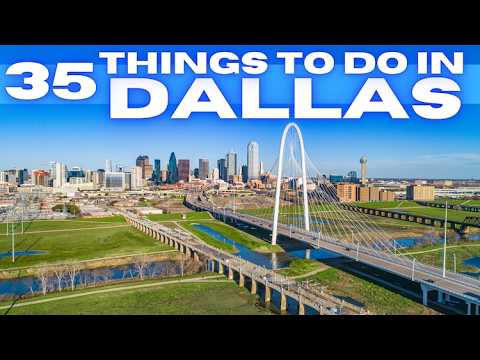

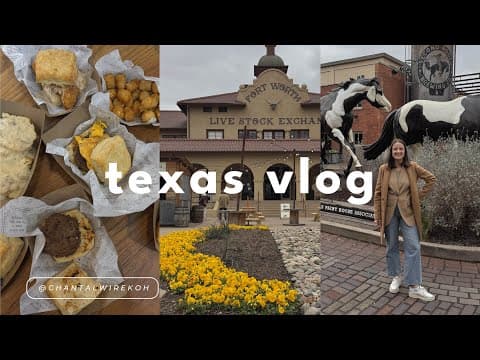

Photo by Charlie Fair on Unsplash
Austin, the capital of Texas, is the fastest-growing large city in the United States — a college town (University of Texas) turned tech hub and music capital that retains, somewhat against the odds, a genuinely creative and countercultural character expressed in the slogan "Keep Austin Weird." The city's live music scene is the densest in the world per capita, and South by Southwest (SXSW) every March brings the global music, film and tech industries together. Sixth Street and the Red River Cultural District are the main music corridors — venues like Stubb's Amphitheatre (outdoor, beloved), the Broken Spoke (historic honky-tonk), Emo's and dozens of smaller stages keep Austin's identity as the "Live Music Capital of the World." The Texas State Capitol, larger than the US Capitol in Washington DC, is excellent for a free tour. The Blanton Museum of Art at UT Austin and the Bullock Texas State History Museum are both outstanding. Barton Springs Pool — a natural swimming hole fed by cold springs in Zilker Park — is Austin's greatest civic pleasure, beloved by the entire city on hot days. The Colorado River (actually Town Lake) running through the city is lined with hike-and-bike trails. South Congress Avenue and East Austin's bars and restaurants represent the city's evolving food culture. Texas barbecue is a religion here — Franklin Barbecue (arrive early, queue accepted) is America's most acclaimed, but La Barbecue, Micklethwait and John Mueller are also outstanding.
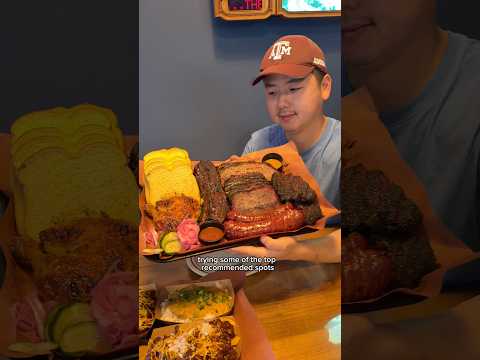
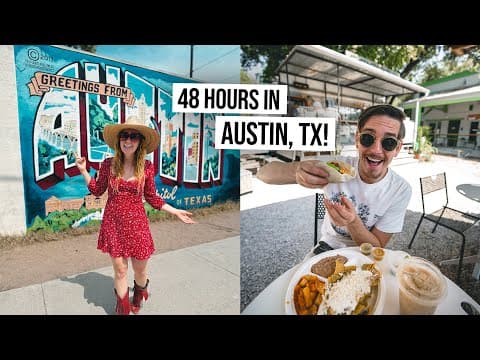
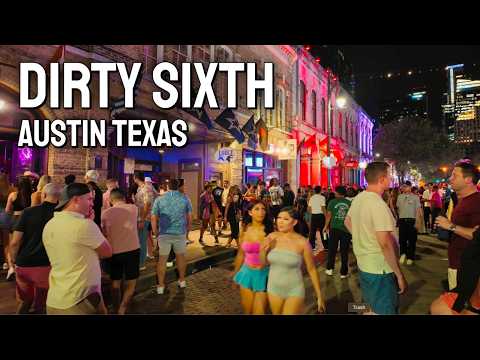

Photo by Adrian Newell on Unsplash
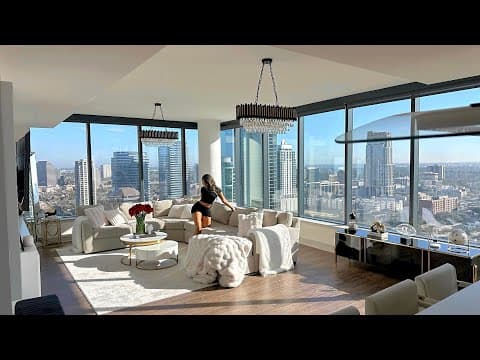
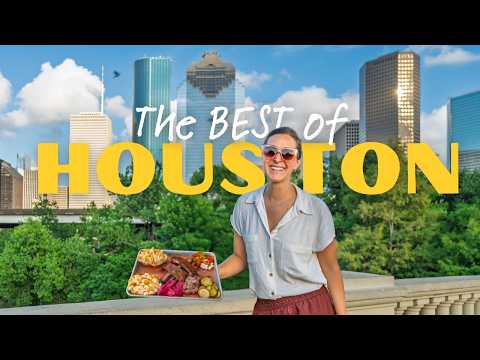
Houston is America's fourth-largest city and one of its most diverse — a sprawling metropolis of 2.3 million people that is the global capital of the oil industry, home to NASA's Johnson Space Center, and the most ethnically diverse major city in the United States, with extraordinary food and cultural scenes reflecting its Mexican, Vietnamese, Indian, Nigerian and dozens of other communities. The Space Center Houston, the visitor centre for NASA's Johnson Space Center, is genuinely excellent — real Mission Control facilities, Saturn V rockets, astronaut training equipment and the history of human spaceflight from Mercury through Apollo to the International Space Station. The Museum District in Midtown is exceptional: the Museum of Fine Arts Houston (excellent European and American art), the Menil Collection (one of America's finest private art museums, with a remarkable collection of Surrealist and tribal art), the Rothko Chapel (14 large Rothko canvases in a contemplative, non-denominational space) and the Natural Science Museum are all outstanding. Houston's food scene is one of America's most underrated. The Vietnamese community in Midtown produces exceptional phở; the Mexican food along Westheimer and in the Heights is extraordinary; the barbecue tradition is fiercely argued (Killen's Barbecue in Pearland is a pilgrimage site). The theater district is one of America's largest. Buffalo Bayou Park is an excellent green space. Houston is car-dependent but rewards those willing to navigate it.