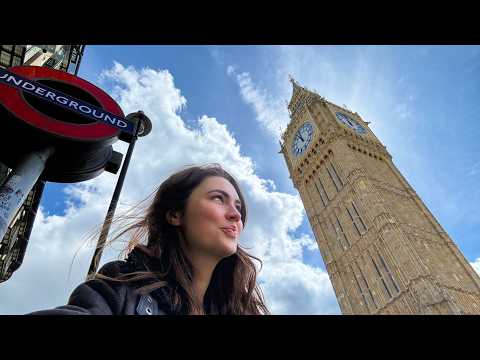

Buenos Aires → Miami → London → Cape Town
Start Buenos Aires → Miami → London → Cape Town expecting famous sights, then stay for the way the atmosphere keeps changing. Buenos Aires → Miami → London → Cape Town spans 14 days and works best when you let each stop reveal a different side of the trip. Even with several stops, the rhythm remains comfortable for travelers who dislike rushed holidays. Time in Buenos Aires means tango, elegant avenues, steak houses, and late night soul. Miami brings beaches, Latin energy, Art Deco style, and easy sunshine. In London, expect royal landmarks, theatre nights, major museums, and lively neighborhoods. Cape Town adds Table Mountain, coastal drives, vineyards, and beaches. Spring and autumn often offer the easiest balance for multi city travel, though the ideal timing varies. It is built for ambitious travelers, milestone trips, and people who want iconic contrasts across continents. Good connections are a quiet strength here, making the route easier than many equally ambitious plans. To keep the route enjoyable, avoid overloading arrival days and save some energy for evenings. Even the smaller moments tend to land well here, which is usually the sign of a genuinely strong itinerary. Even shorter stays still feel worthwhile because each city gives you a quick, vivid sense of place. Neighborhood walks often become as valuable as the signature sights. Small local rituals such as coffee stops, market browsing, or a late viewpoint can shape the day beautifully. Plan your Buenos Aires → Miami → London → Cape Town trip today travelers often remember the small moments most on.
Plan this trip
Route pre-filled — set your origin, dates and budget
Photo by Gustavo Sánchez on Unsplash
Buenos Aires is South America's most European-influenced and sophisticated city — a vast, passionate Argentine metropolis of 15 million in the metropolitan area on the Río de la Plata estuary, where tango was born, where beef is a religion, and where the architectural heritage of the early 20th century boom years created one of the most visually impressive cities in the Southern Hemisphere. The Puerto Madero waterfront redevelopment is the city's most spectacular modern area — the Woman's Bridge by Santiago Calatrava, the converted red-brick dock warehouses now filled with restaurants and nightclubs, and the stunning Fundación Proa contemporary art museum. The Palermo neighbourhood (particularly Palermo Soho and Palermo Hollywood) is the city's creative heart — boutique hotels, restaurants, design shops and the city's finest people-watching. La Boca's Caminito alleyway (colourful corrugated iron houses, tango street performers) is tourist but genuine. The Recoleta Cemetery — where Evita Perón is buried in an elaborate mausoleum, surrounded by the tombs of Argentina's most famous families in a necropolis of extraordinary architectural extravagance — is a genuine highlight. The MALBA (Museum of Latin American Art) holds an outstanding collection. The Teatro Colón is one of the world's finest opera houses (guided tours available when not in use). The San Telmo antiques market on Sundays is excellent. Argentine beef, eaten at asado barbecues or in traditional parrillas, is world-class.


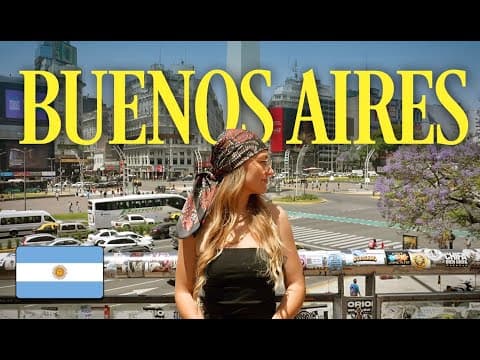

Photo by Federico Mata on Unsplash
Miami is one of the world's great sensory cities — a flat subtropical metropolis at the tip of Florida where Latin America meets North America in an explosion of colour, music, food, beach culture and nightlife. The city is bilingual (Spanish dominates in many neighbourhoods), beautiful and intense, and has developed into a global arts and culture hub alongside its long-established beach and entertainment identity. Miami Beach (technically a separate city) is the Art Deco district — the largest concentration of Art Deco buildings in the world, the Ocean Drive strip facing the South Beach is magnificent when lit at night. Art Basel Miami Beach (December) is the Americas' most important contemporary art fair, transforming the entire city for a week. Wynwood Arts District, a former warehouse neighbourhood transformed by street art murals (the Wynwood Walls are the catalyst) and galleries, is one of America's most vibrant creative districts. The Design District is the luxury retail counterpart. Little Havana, particularly Calle Ocho, retains a genuine Cuban exile culture — cafecito from walk-through windows, domino games in Máximo Gómez Park, excellent Cuban-American restaurants. The Pérez Art Museum Miami (PAMM) and the Institute of Contemporary Art are both excellent. The Everglades National Park is 45 minutes from downtown — alligators, manatees and extraordinary birdlife. Miami's beaches are excellent for swimming October–May; summer is very hot and humid. The nightclub scene, particularly in South Beach, is internationally famous.



Photo by William Rudolph on Unsplash
London is one of the world's most dynamic and culturally rich cities, straddling the Thames in the heart of England. Few cities can match its blend of ancient history and cutting-edge modernity — within a single afternoon you can stand in a medieval tower, explore a world-class contemporary art gallery and eat your way through a street food market representing every corner of the globe. The city's neighbourhoods each have a distinct personality. Shoreditch buzzes with creative energy and independent cafés; Notting Hill charms with pastel-painted terraces and the famous Portobello Road market; South Bank offers riverside walks, the Tate Modern and the Globe Theatre. Families gravitate toward the Science Museum and Natural History Museum, both free to enter, while history lovers lose themselves in the British Museum or the Tower of London. Transport is excellent — the Underground (the Tube) connects virtually everywhere, and the Oyster card system makes travel seamless. The best time to visit is May to September when the parks are at their finest and outdoor events fill the calendar. London rewards slow exploration: linger in a pub, watch the Changing of the Guard, or simply wander a canal towpath in Little Venice.