
Amsterdam → Brussels → Paris
The smartest reason to choose Amsterdam → Brussels → Paris is simple: the sequence itself makes the trip better. Amsterdam → Brussels → Paris spans 7 days and works best when you let each stop reveal a different side of the trip. Culturally, the journey stays rewarding because the cities never blur into one another. Amsterdam brings historic canals, bike friendly streets, art museums, and relaxed local charm. In Brussels, expect ornate squares, chocolate shops, comic heritage, and compact city rewards. Paris adds river walks, elegant boulevards, art treasures, and romantic café culture. Late spring and early fall are usually the best seasons, with mild weather and long sightseeing days. It suits first time Europe visitors, couples, friends, and culture focused travelers. Because the transfers are manageable, the route keeps its momentum without wasting too many hours in transit. Book the biggest attractions and the key transport segments in advance if you are traveling during busy weeks. What stays with most travelers is not just the landmarks but the changing texture of each day. The itinerary leaves room for slower meals and unexpected favorites. Even shorter stays still feel worthwhile because each city gives you a quick, vivid sense of place. Neighborhood walks often become as valuable as the signature sights. Small local rituals such as coffee stops, market browsing, or a late viewpoint can shape the day beautifully. That blend of famous highlights and smaller discoveries is a big reason the route feels complete. Plan your Amsterdam → Brussels → Paris trip today travelers often.
Plan this trip
Route pre-filled — set your origin, dates and budget
Photo by paul mocan on Unsplash

Photo by Jeffrey Zhang on Unsplash
Brussels, the de facto capital of the European Union, is a city that often surprises visitors who arrive with low expectations. Behind the bureaucratic reputation lies one of Europe's most architecturally striking cities, a world-class food culture and an infectious, self-deprecating character that makes it unexpectedly likeable. The Grand Place is justifiably one of the most beautiful squares in Europe — a Baroque masterpiece surrounded by gilded guild houses and the ornate City Hall, best seen illuminated at night. The nearby Galeries Royales Saint-Hubert is among the world's oldest and most elegant shopping arcades. The Art Nouveau legacy of Victor Horta — visible in the Horta Museum and numerous private townhouses — makes Brussels essential for architecture enthusiasts. The Atomium, the space-age structure built for the 1958 World's Fair, is the city's most distinctive modern landmark. Belgian cuisine punches far above Belgium's size. Beer culture here is a UNESCO-recognised tradition — the range and complexity of Belgian ales, lambics and Trappist beers is astonishing. Chocolatiers and waffle shops line every street. The Brussels restaurant scene ranges from excellent moules-frites to modernist tasting menus. The city is also the base for day trips to Bruges, Ghent and the Ardennes. Year-round destination with a great Christmas market in December.
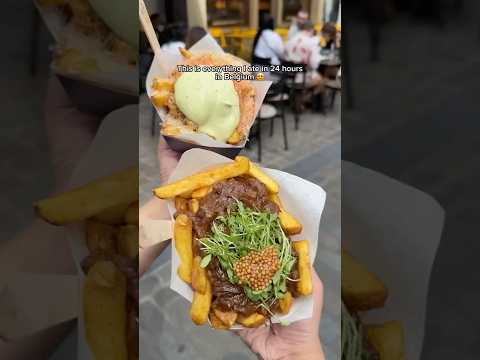

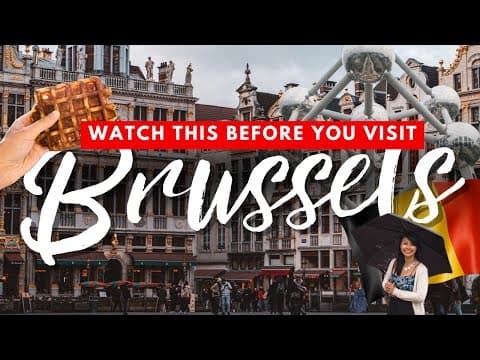

Photo by Oksana Gogu on Unsplash
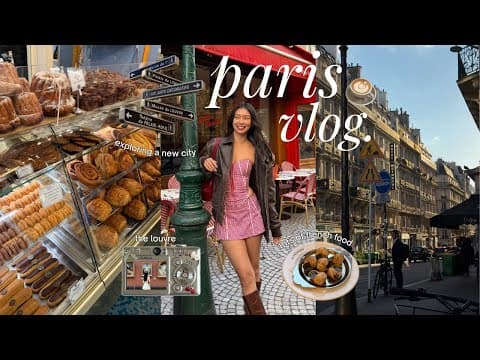
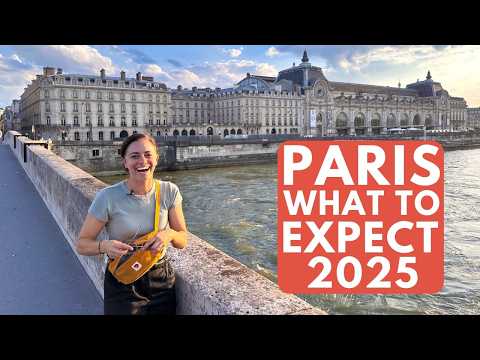
Paris needs no introduction, yet it always manages to exceed expectations. The French capital sits on the River Seine in northern France and has shaped art, fashion, cuisine and romantic culture for centuries. Its iconic skyline — punctuated by the Eiffel Tower, the dome of Sacré-Cœur and the spire of Notre-Dame — is instantly recognisable even to those who have never visited. Beyond the postcard images lies a city of extraordinary depth. World-class museums like the Louvre, Musée d'Orsay and Centre Pompidou are the obvious starting points, but Paris rewards wanderers who follow cobblestone streets into hidden courtyards, browse weekend flea markets at Saint-Ouen or cycle along the Canal Saint-Martin. Each arrondissement has its own mood: the Marais mixes medieval history with vibrant LGBTQ+ life; Montmartre retains a village feel on its hilltop perch; Saint-Germain-des-Prés exudes literary sophistication. Food and drink are non-negotiable rituals here. From the corner boulangerie to three-Michelin-star temples of gastronomy, eating well is simply part of daily life. April to June and September to October offer the most pleasant weather and manageable crowds.