

Wrocław (pronounced Vrots-wav) is one of Poland's most charming and culturally vibrant cities, a place that has been Bohemian, Prussian, Austrian and German (as Breslau) before returning to Polish administration in 1945. That extraordinary multicultural history has left an architectural legacy of Gothic, Baroque and Art Nouveau buildings alongside bridges over the Oder River and its network of branches and islands. The Rynek (Market Square) is one of the finest in Poland — a large, beautifully proportioned rectangle of colourful Baroque and Gothic townhouses surrounding the magnificent Gothic Town Hall, which has one of the finest collections of Gothic architectural detail in Central Europe. The Cathedral Island (Ostrów Tumski), reached by stone bridges over the Oder, is the oldest part of the city — a compact cluster of Gothic churches, including the Cathedral of St. John the Baptist, with its twin towers, that feels like a step into medieval Bohemia. Wrocław's "dwarfs" (gnomes) are the city's most delightful curiosity — over 400 small bronze sculptures hidden throughout the city, each with a different character and story. The Pan Tadeusz Museum, dedicated to the Polish national epic poem, is excellent. The food and bar scene around the Rynek is lively and affordable. Wrocław hosted events for UEFA Euro 2012 and the World Games 2017, and its modern cultural infrastructure reflects those investments. An excellent base for the Karkonosze Mountains and the Baroque churches of Lower Silesia.
Plan your trip to Wroclaw
Destination pre-filled — set your origin, dates and budget
Travel videos — Wroclaw
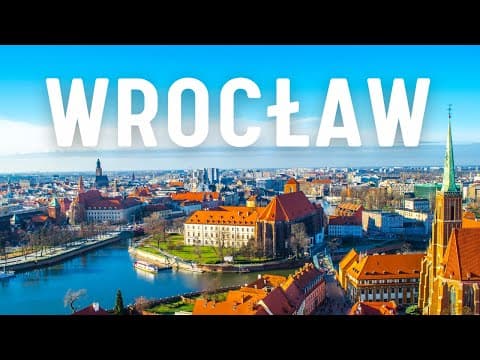
Wroclaw Poland – Ultimate Travel Guide
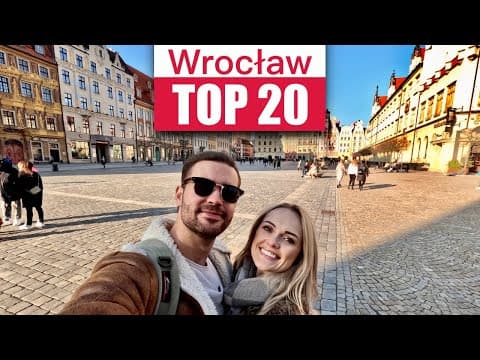
Top 20 Things to Do in Wroclaw, Poland 🇵🇱 A Must-Visit travel guide!!
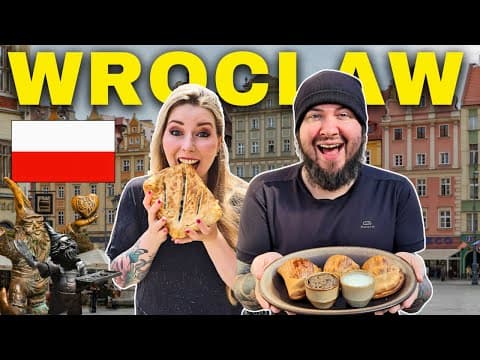
The PERFECT day in WROCLAW, POLAND! 🇵🇱 - (Why you NEED to visit!)
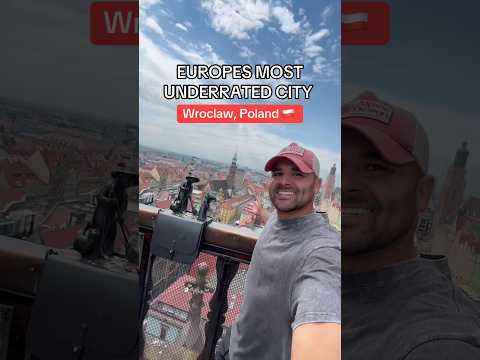
Europe’s most underrated city, Wroclaw Poland 🇵🇱 #poland
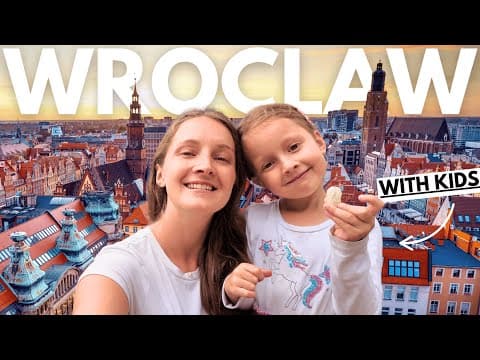
24 Hours in Wroclaw, Poland With Kids | Family Travel Vlog
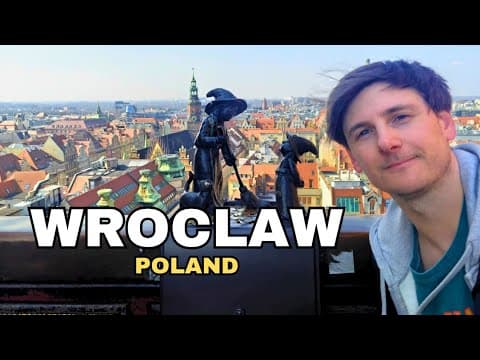
How to spend 2 Days in Wroclaw - Poland 🇵🇱 Travel Vlog 2025 - Ghosts, Gas lamps and Great Pierogi!
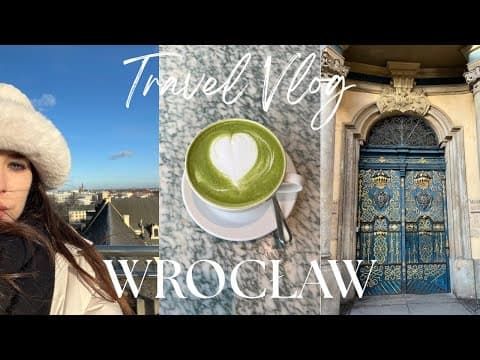
Exploring Wroclaw, Poland in Winter | Old Town & Christmas Markets | Travel Vlog