

Trieste is one of Europe's most melancholy and fascinating cities — a former Habsburg imperial port at the northeastern tip of the Adriatic, in a geographically and politically ambiguous position on the border of Italy, Slovenia and Croatia, with a landscape of limestone karst rising steeply behind the city and the open sea before it. Its literary associations are exceptional: James Joyce lived here for 10 years while writing Ulysses; Rainer Maria Rilke was inspired to write the Duino Elegies in the castle on its outskirts. The Piazza Unità d'Italia, facing the sea with three sides enclosed by grand Habsburg-era buildings, is one of Italy's largest and most magnificent sea-facing squares. The Canal Grande, a small internal harbour cutting into the city from the seafront, is lined with Serbian Orthodox and Catholic churches of different architectural traditions. The Miramare Castle, a white neo-Gothic fantasy built for Archduke Maximilian on a promontory 8km from the city, is one of the Adriatic's most romantic buildings. Trieste's café culture is unique — the terminology is different from the rest of Italy (a "capo" for what elsewhere is a macchiato, a "nero" for an espresso). The Caffè San Marco, open since 1914, is one of the great literary cafés of Europe. The food reflects the city's Austro-Hungarian and Slavic heritage alongside Italian: jota (bean and sauerkraut soup), goulash, strudel alongside fresh fish and seafood. The Bora wind that periodically sweeps the city gives it a particular atmospheric intensity.
Plan your trip to Trieste
Destination pre-filled — set your origin, dates and budget
Travel videos — Trieste
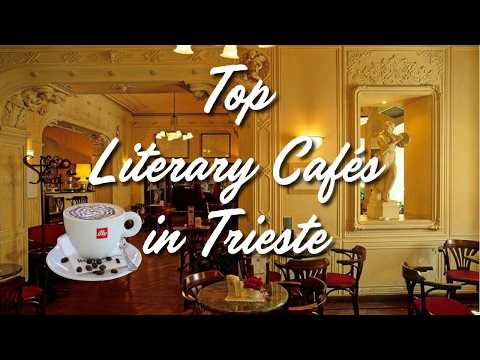
Trieste’s Historic Literary Cafés 🇮🇹 A Coffee Lover’s Dream | Travel Vlog 03
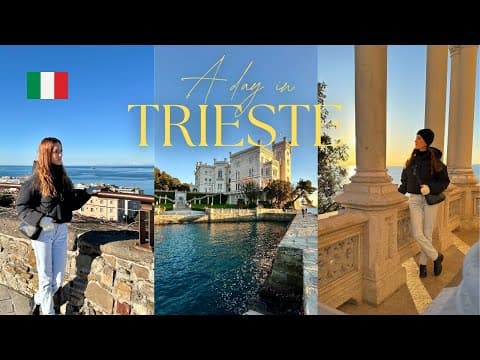
Why TRIESTE Should Be Your Next Italian Adventure | Italy travel vlog 🇮🇹
Trieste: Italy's Most Underrated City, a True Gateway Between Worlds
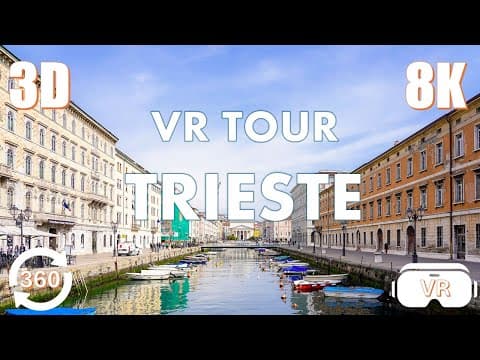
Trieste, Italy - VR 360° Travel Video in 8K
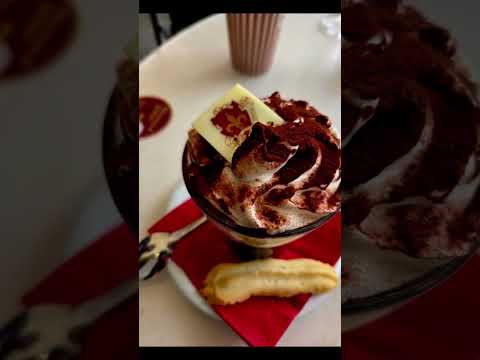
Trieste's Secret Cafes You Have to See!
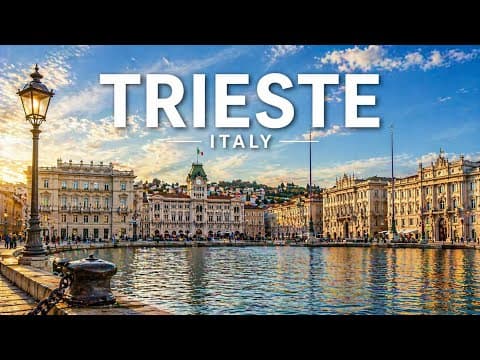
Trieste Italy Vlog | Christmas Markets & Coastal Charm
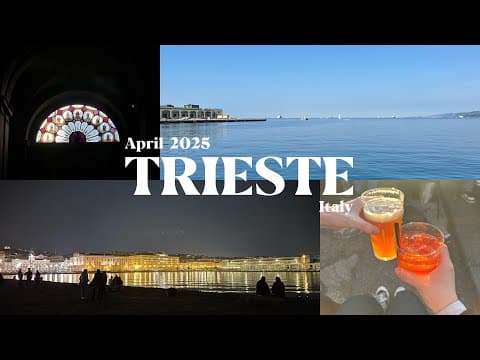
Trieste (Italy) Travel Vlog April 2025