

Skopje, the capital of North Macedonia, is one of the Balkans' most unusual cities — a place that suffered a devastating earthquake in 1963 (which destroyed most of the historic centre) and then underwent a controversial and extravagant building campaign in the early 2010s that added hundreds of neo-classical statues, buildings and fountains in a project called Skopje 2014. The result is a city of jarring contrasts that somehow works on its own surreal terms. The old bazaar (Čaršija), on the north bank of the Vardar River, is the genuine historical heart — a well-preserved Ottoman bazaar with mosques, hans, hammams and artisan workshops that feels authentically Balkan. The Stone Bridge, a 15th-century Ottoman bridge, connects the old town to the newer centre. The Kale Fortress above the old bazaar offers good views. The Skopje City Museum in the old railway station (still showing the time frozen at the moment of the 1963 earthquake) is moving and well-done. Outside the city, the Matka Canyon — a dramatic gorge with cave churches, boat trips and hiking trails — is outstanding and just 15 kilometres from the centre. Lake Ohrid, one of Europe's oldest lakes, is 2.5 hours away by road. North Macedonia's cuisine — ajvar, tavče gravče (baked beans), kebapi — is excellent and extraordinarily cheap. Skopje is one of Europe's most affordable capitals and makes an excellent base for exploring the Western Balkans.
Plan your trip to Skopje
Destination pre-filled — set your origin, dates and budget
Travel videos — Skopje
What Can $10 Get in Macedonia?

This is SKOPJE, NORTH MACEDONIA?! 🇲🇰 - MACEDONIAN FOOD in Europe's most UNUSUAL capital!
That One Incident Changed Everything in North Macedonia
First time in Skopje Macedonia? Don’t Visit Skopje Before Watching This!
North Macedonia Travel Guide | Is it CHEAPEST Country in Europe?!

Exploring the unusual capital of Skopje | North Macedonia travel vlog

Skopje, North Macedonia 🇲🇰 Exploring a Hidden Balkan Gem (Travel Vlog)

This City Makes ZERO Sense… Until You Go! (Skopje, North Macedonia)
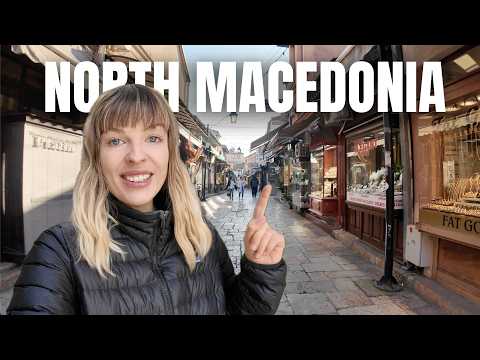
Is North Macedonia Actually Worth Visiting? (honest opinion)