

Pristina, the capital of Kosovo, is one of the youngest and most energetic capitals in Europe — a city rebuilding its identity with remarkable creative confidence after the NATO intervention of 1999 and the declaration of independence in 2008. It is not a city of great historic monuments, but it has an authenticity, a vibrant café culture and a genuine warmth toward Western visitors that makes it unexpectedly engaging. The Newborn monument, a giant sculpture of the word "NEWBORN" in the city centre repainted annually with a new design, has become a symbol of Kosovar identity. The National Library, designed by the Croatian architect Andrija Mutnjaković and opened in 1982, is one of the most unusual and discussed buildings in the Balkans — a bizarre honeycomb of domes that divides opinion violently. The old bazaar (Çarshia e vjetër), the Sultan Mehmet II Fatih Mosque and the Ethnological Museum give some historical depth. The café and bar scene, particularly on Dragodan hill and around the Mother Teresa Boulevard, is extremely lively and affordable. Kosovo's cuisine — flija (layered pastry), tavë me dhallë (yoghurt casserole), pite — is hearty and cheap. Day trips to the medieval Serbian Orthodox monasteries of Gračanica and Dečani (both UNESCO-listed) are culturally important and strikingly beautiful. The Rugova Valley and the Prokletije mountain range offer excellent hiking. Pristina is significantly cheaper than other European capitals.
Plan your trip to Pristina
Destination pre-filled — set your origin, dates and budget
Travel videos — Pristina

Oldest Islamic City in Europe? 🇽🇰 Prizren’s Hidden Muslim Beauty!
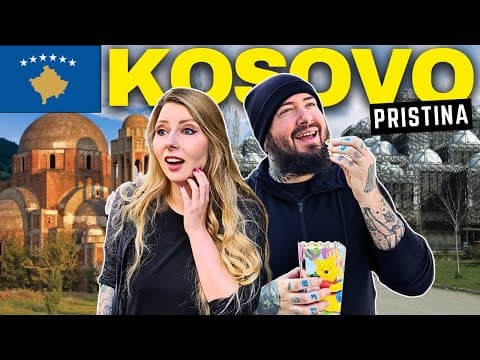
Our FIRST TIME in KOSOVO 🇽🇰 - PRISTINA: 24 Hours of exploring and eating KOSOVAR FOOD
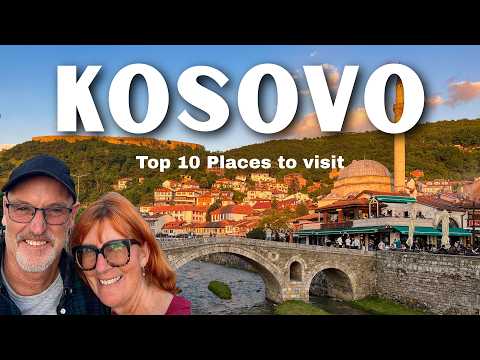
10 BEST things to do in KOSOVO
The European country YOU WILL NOT VISIT!
Spontaneous day trip to Pristina, Kosovo
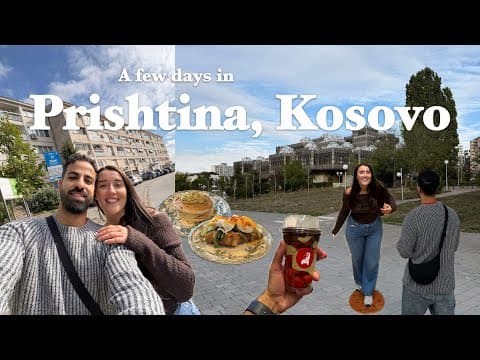
Exploring Prishtina, Kosovo 🇽🇰 | Snow, Food & Prishtina Mall - One of the Biggest in the Balkans
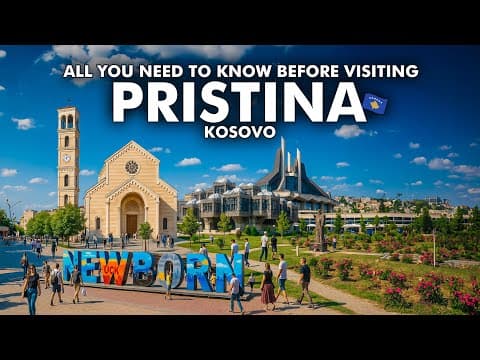
Pristina Kosovo Travel Guide: BEST Things To Do in Pristina Vlog 4K

🇽🇰 FIRST TIME in KOSOVO was a shock. My visit to PRIZREN

Exploring Pristina, Kosovo: Best Attractions, Food & Things To Do!