

Palma de Mallorca is one of the Mediterranean's great cities — the capital of the Balearic Islands with a magnificent Gothic cathedral rising directly from the seafront, a beautifully preserved Arab quarter (the Arab Quarter is now the trendy Casc Antic neighbourhood), world-class museums and a dining scene that has developed dramatically over the past decade to become one of the finest in Spain. The Cathedral (La Seu), begun in the 13th century and completed in the 17th, is one of the most dramatic Gothic buildings in the Mediterranean — its rose window (the largest Gothic rose window in the world) floods the interior with coloured light on winter mornings, and Antoni Gaudí left his mark on the interior with an early 20th-century restoration. The Almudaina Palace adjacent to the cathedral (the residence of Mallorcan kings, then Spanish royals) is open for visits. The Es Baluard Museum of Modern and Contemporary Art occupies a restored Renaissance fortification on the seafront. Palma's old town is richly layered — Arab baths, Renaissance courtyards (patios), Baroque mansions and modernist buildings by Gaudí collaborators create an architectural feast. The Santa Catalina neighbourhood and Llonja quarter are the most vibrant for restaurants and bars. Palma is an excellent base for exploring Mallorca's Serra de Tramuntana mountains (UNESCO World Heritage), the north coast's dramatic calas (coves) and the charming hilltop villages of Valldemossa, Deià and Fornalutx.
Plan your trip to Palma de Mallorca
Destination pre-filled — set your origin, dates and budget
Travel videos — Palma de Mallorca
girls trip to mallorca | beautiful villa, pilates & hidden beach

Best Things To Do in Palma Mallorca Spain 2026 4K
Mallorca, Spain Travel Guide: Best things to do + eat in 7 days! 🇪🇸
10 Best Things To Do In MALLORCA Spain 2026
A few days in Mallorca vlog 🌺 beautiful beaches, best restaurants in Palma & exploring Deia
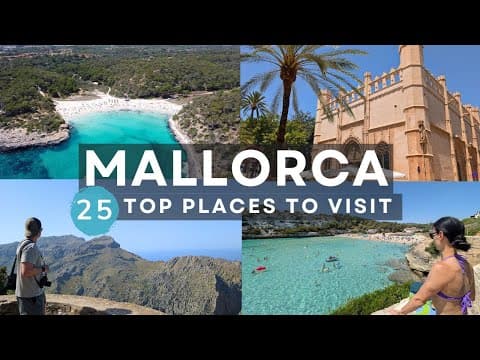
25 of the Best Places to Visit in Mallorca - 4K Mallorca Travel Guide
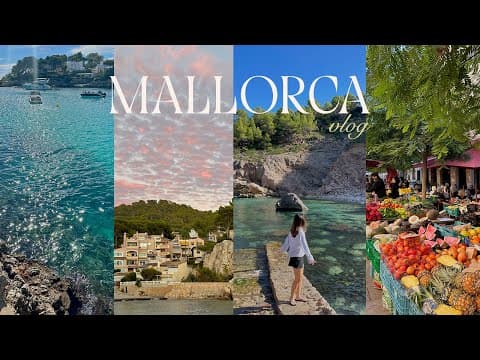
spain vlog | 4 days in mallorca, beach hopping, sóller, deià, santanyí market, best spots to visit

20 Things I Wish I Knew Before Visiting Mallorca 🇪🇸

FOODIES' 48-HOUR GUIDE TO PALMA DE MALLORCA, SPAIN (what to do and eat in Mallorca's capital!)