

Minsk, the capital of Belarus, is one of Europe's most unusual and undervisited capitals — a city almost entirely rebuilt after World War II devastation on a grand Soviet scale of wide boulevards, monumental Stalinist architecture, imposing government buildings and vast public squares. That Soviet grandeur, while not conventionally beautiful, has become a genuine attraction in itself, the most complete surviving example of Soviet urban planning on the continent. Independence Avenue (Prospekt Nezavisimosti), the city's main boulevard stretching 15 kilometres, is lined with Stalinist neo-classical buildings, department stores and government ministries. Oktyabrskaya Square, with its Palace of the Republic, and Victory Square with its war memorial obelisk are the symbolic centres. The Island of Tears, a small island memorial to Soviet soldiers killed in Afghanistan, is quietly moving. The Great Patriotic War Museum is one of the most powerful World War II museums in Europe — Belarus lost 25% of its population in the war. The Old Town (Trinity Suburb and Rakowskie Przedmiescie) retains a small pocket of pre-war architecture and cafés. Minsk has a developing independent café and restaurant scene in the streets around Kastrychnickaya and Zybitskaya streets. Always check current visa and travel requirements before visiting, as the political situation in Belarus has been volatile since 2020.
Plan your trip to Minsk
Destination pre-filled — set your origin, dates and budget
Travel videos — Minsk
A Day in Belarus The Hidden Paradise of Europe
Spending a Day in Minsk Belarus as a Local
Belarus - How to travel there 2025! Everything you have to know before you go. The ultimate guide!
One day in a small Belarusian town close to Minsk
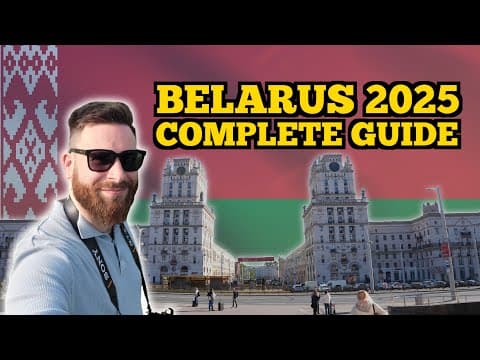
Visiting Belarus in 2025 is easier (and harder) than you think! 🇧🇾
24 hours in Belarus: What I discovered! 🇧🇾
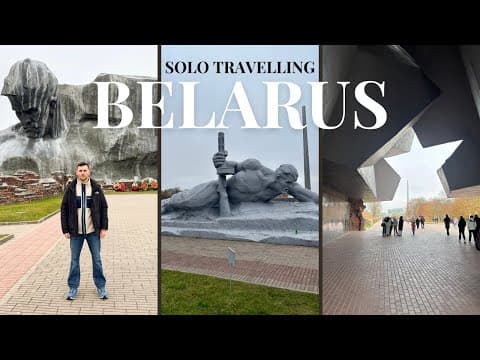
Solo Travelling BELARUS in 2025 - NIGHTMARE at the Border
Minsk in 72 Hours | Belarus Travel Vlog 🇧🇾

Belarus - Unexpected Travel Experience | Minsk, Brest, Castles & Food | Travel Video