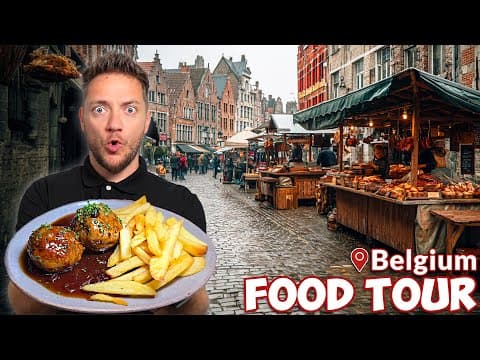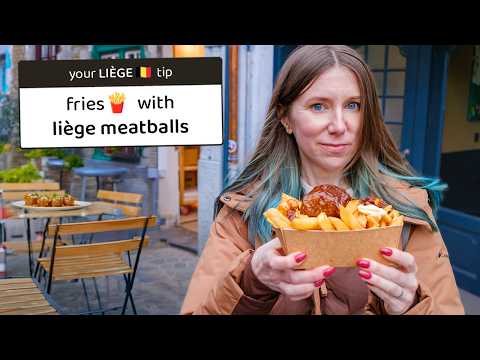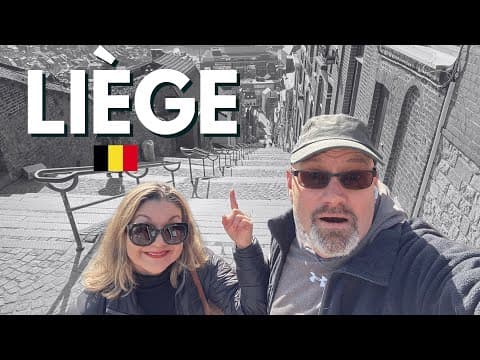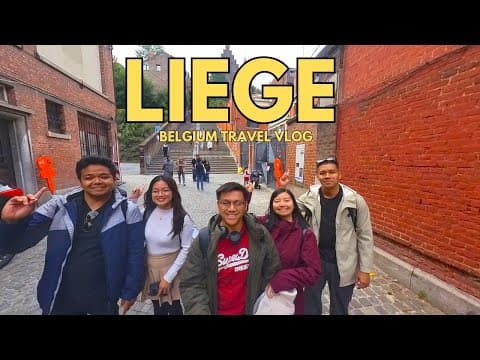

Liège, Belgium's most misunderstood city, sits at the confluence of the Meuse and Ourthe rivers in the heart of Wallonia — a former industrial powerhouse of coal and steel whose gritty, unpolished authenticity is increasingly recognised as one of its greatest assets. It is the largest French-speaking city in Belgium after Brussels, and its fierce independent character makes it one of the most genuine urban experiences in the Benelux. The Sunday Batte market along the Meuse riverbank is the largest outdoor market in Belgium — a spectacle of antiques, food, books and everything else that draws the entire city every Sunday morning. La Batte has been running since the Middle Ages. The Prince-Bishops' Palace, a monumental 16th-century building now housing the Court of Justice, is architecturally exceptional. The Musée de la Vie Wallonne (Walloon folk culture), the Curtius Museum (applied arts in a magnificent Mosan Renaissance building) and the Musée Grand Curtius are all excellent. The Church of St. Bartholomew holds the astonishing Baptismal Font of Renier de Huy, a 12th-century bronze masterpiece. Liège cuisine is proud and distinctive: the Liège waffle (dense, caramelised, to be eaten warm) is different from the Brussels variety; the Boulets à la Liégeoise (meatballs in sweet-sour sauce) and the Sirop de Liège (apple-pear syrup spread on bread) are local institutions. The bar scene around the student area is extremely lively.
Plan your trip to Liege
Destination pre-filled — set your origin, dates and budget