

Lanzarote is the most extraordinary landscape in Spain — a UNESCO Biosphere Reserve where a volcanic eruption between 1730 and 1736 covered a third of the island in solidified lava, creating a landscape of eerie black peaks, craters and fields of volcanic rock that feels genuinely extraterrestrial. The architect and artist César Manrique, born on the island in 1919, devoted his life to ensuring that any tourism development on Lanzarote respected and celebrated this extraordinary landscape. Manrique's legacy is everywhere — he designed the Jameos del Agua (a volcanic tunnel opening into a salt-water cave with albino blind crabs unique to this system), the Cueva de los Verdes (a 2km stretch of the same lava tube), the Cactus Garden (Jardin de Cactus, housing 1,400 varieties of cactus in a volcanic quarry amphitheatre) and the César Manrique Foundation (his former home, built within five volcanic bubbles). His insistence on no-advertising hoardings and architecture that blends with the landscape has made Lanzarote uniquely beautiful among the Canaries. Timanfaya National Park, the volcanic heartland, offers guided tours where eggs are cooked on the volcanic heat and the landscape shifts from ancient lava rivers to young orange-toned cones. The wine region of La Geria, where vines grow in black volcanic ash in individual bowl-shaped pits protected by low stone walls, produces exceptional Malvasía wine. The beaches of Papagayo and Playa Blanca in the south are outstanding.
Plan your trip to Lanzarote
Destination pre-filled — set your origin, dates and budget
Travel videos — Lanzarote
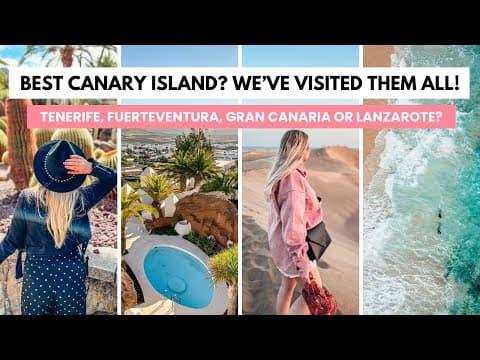
BEST Canary Island for you? - TRAVEL GUIDE | Tenerife, Lanzarote, Gran Canaria, or Fuerteventura?
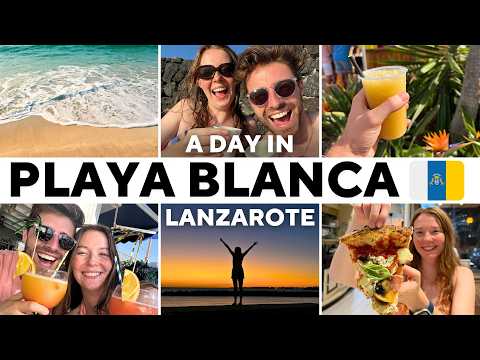
What to do in Playa Blanca Lanzarote in a Day 🇮🇨 Lanzarote Travel Guide
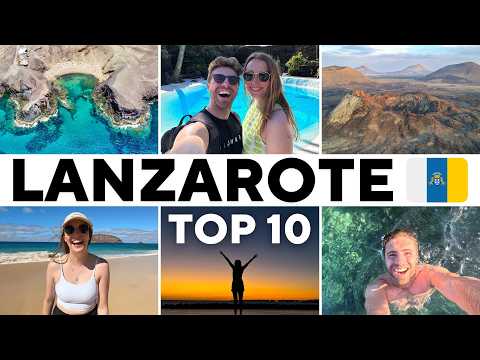
Lanzarote Travel Guide: Lanzarote Top 10 🇮🇨
Gotta love Lanzarote 🌅#dayinmylife #holidayvlog #fyp lanzarote #voiceover
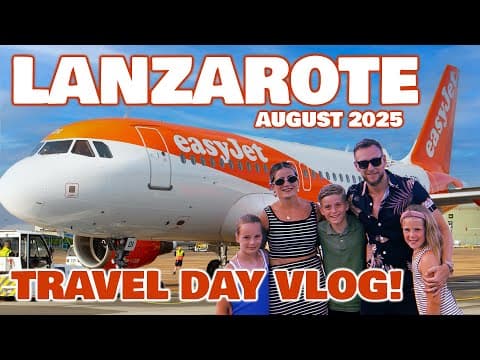
Travel Day to Lanzarote ✈️ | Costa Teguise Family Holiday Adventure
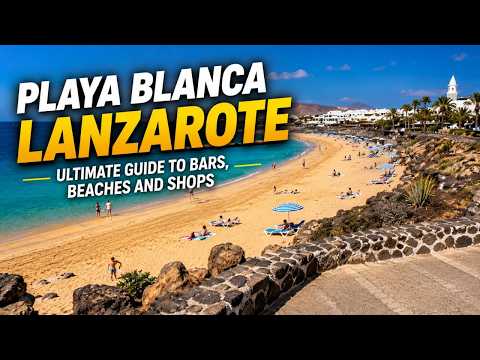
Playa Blanca EXPOSED! The Ultimate Lanzarote Travel Guide!
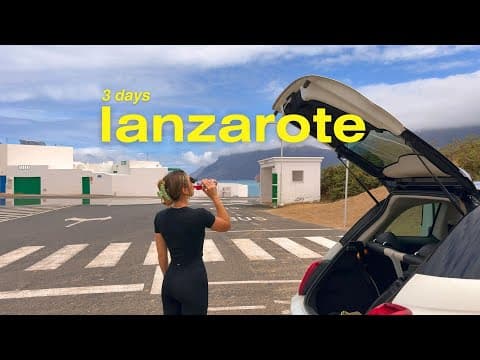
Cozy 3 Days in Lanzarote | Volcanic Calm & Coastal Comfort

Our Jet2 Flight to Lanzarote!!!|Family Travel Day Vlog..AND OF COURSE WE WON IT😀 ✈️
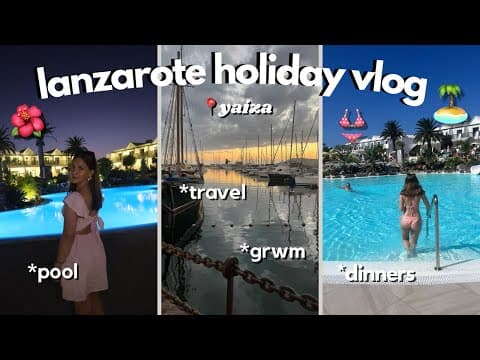
LANZAROTE HOLIDAY VLOG!! 🌺🏝️🍹 *grwms, travel, dinners, pools* 🦩