

Gran Canaria, the third-largest Canary Island and the one with the most contrasting landscapes within a small area, is often described as a "continent in miniature" — its 50-kilometre diameter encompasses the dramatic dunes of Maspalomas, the rugged central mountain range reaching 1,950 metres at the Pico de las Nieves, lush banana plantations in the west and the cosmopolitan capital Las Palmas in the northeast. Las Palmas de Gran Canaria, the island's capital (and one of Spain's largest cities), has an excellent colonial old town (Vegueta, UNESCO-listed) with the Christopher Columbus House Museum (Columbus stopped here on his voyages west) and the outstanding Canarian Museum. The city beach of Las Canteras is one of the finest urban beaches in Spain — a natural lava reef creates sheltered, calm swimming conditions. The capital's Carnaval (February/March) is one of Spain's most exuberant, comparable to Tenerife's. Maspalomas in the south is the island's tourist heart — enormous sand dunes running to the sea, excellent windsurfing and water sports, and a well-developed resort infrastructure. The Roque Nublo, a 67-metre volcanic monolith rising from the central plateau, and the Teror village (with its pilgrimage basilica) represent the traditional inland island. The Guanches (original pre-Hispanic inhabitants) left cave settlements and carvings throughout the island. Year-round spring climate and excellent flight connections make Gran Canaria one of Europe's most accessible warm-weather destinations.
Plan your trip to Gran Canaria
Destination pre-filled — set your origin, dates and budget
Travel videos — Gran Canaria
![Gran Canaria - 30 Best Places to Visit [2026]](/_next/image?url=https%3A%2F%2Fi.ytimg.com%2Fvi%2FYQzHnbonsRA%2Fhqdefault.jpg&w=3840&q=75)
Gran Canaria - 30 Best Places to Visit [2026]

Swingers Holiday in Gran Canaria 🇪🇸 Day 1 | Travel Chaos, Hotel Upgrade & Drunken Laughs!
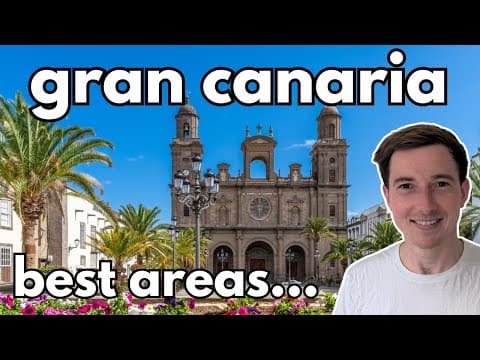
Gran Canaria: The Best Areas to Stay & Visit in 2026... 🏝️
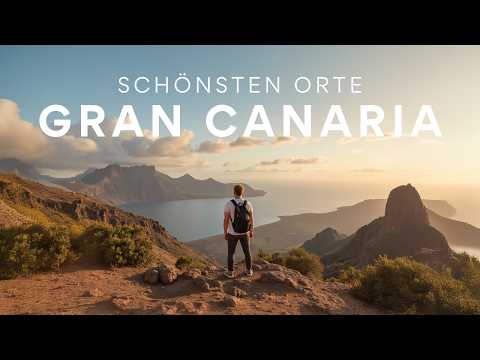
GRAN CANARIA Geheimtipps 🇪🇸 Die schönsten Orte & Sehenswürdigkeiten für deinen Urlaub

BEST Canary Island for you? - TRAVEL GUIDE | Tenerife, Lanzarote, Gran Canaria, or Fuerteventura?
😱 I Can’t Believe THIS Is Puerto Rico Gran Canaria Shocked! | Changed My Mind About Gran Canaria!🏖️
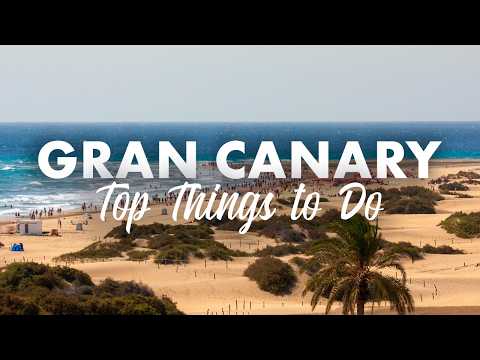
Gran Canaria Travel Guide | Top 18 Places to Visit in 2026 (4K)
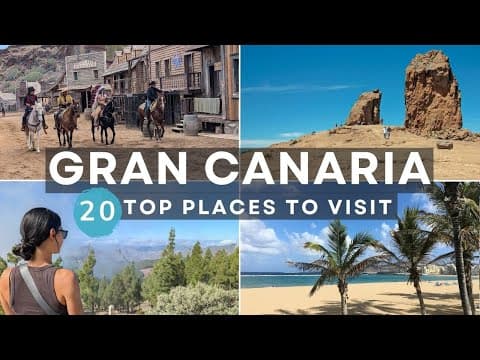
20 of the Best Places to Visit in Gran Canaria - 4K Travel Guide

AVOID The Resorts! The REAL Gran Canaria