

Genoa (Genova) is one of Italy's most fascinating and overlooked cities — a labyrinthine medieval port city that was in the Middle Ages the most powerful maritime republic in the Western Mediterranean, and whose palaces along the Strade Nuove (Rolli palaces, UNESCO World Heritage) reflect extraordinary wealth accumulated through banking and trade. It is a city of narrow lanes (caruggi) so dense and dark they feel almost underground, yet open suddenly onto spectacular hilltop terraces and sea views. The Strade Nuove (Via Garibaldi and Via Balbi) are lined with Renaissance and Baroque palaces of remarkable scale. The Palazzo Rosso and Palazzo Bianco, both museums, hold excellent collections of Flemish and Italian painting. The Old Town (Caruggi), a Unesco World Heritage Site, is one of the largest medieval urban fabrics in Europe — a dense tangle of lanes where washing hangs between medieval towers, focaccerie (selling the finest focaccia in Italy) operate from street-level hatches and neighbourhood life plays out authentically. Christopher Columbus was born in Genoa, and the medieval house believed to be his birthplace is near the city walls. The aquarium of Genoa is one of the largest in Europe. Pesto genovese was invented here — made with the finest basil from Prà on the city's western outskirts and best on trofie pasta with green beans and potato. The fish market (Mercato del Carmine) is excellent. Cinque Terre is 90 minutes east by fast train; the Ligurian Riviera towns of Rapallo, Portofino and Santa Margherita Ligure are all accessible.
Plan your trip to Genoa
Destination pre-filled — set your origin, dates and budget
Travel videos — Genoa
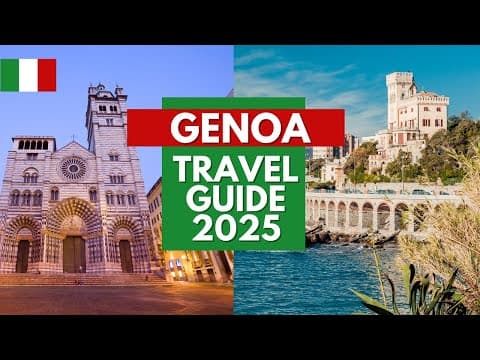
Genoa Travel Guide 2025 - Best Places to Visit in Genoa Italy in 2025

#005 Visiting Christopher columbus House in Genova Italy 🇮🇹 #youtubeshorts #shorts #shortvideo
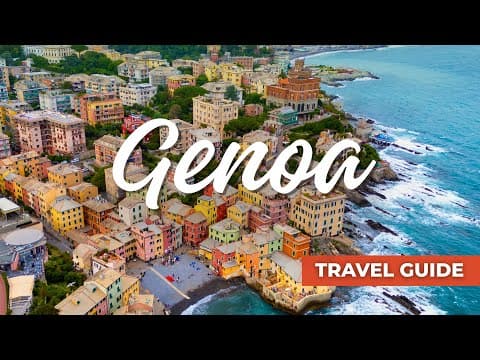
Top Things to Do in Genoa Italy | Ultimate Travel Guide
Italian Summer Diaries: Genova + Cinque Terre! / travel vlog pt.1
Italian Summer Diaries: perfect days in Portofino & Genoa Magic | Travel Vlog Pt.2