

Crete is the largest Greek island and one of the Mediterranean's most complete destinations — an island of extraordinary diversity with world-class archaeological sites (Knossos, the palace of the Minoan civilization), dramatic gorge hikes (Samaria Gorge, the longest in Europe), pristine beaches from turquoise lagoons to sheltered coves, and a food culture that predates ancient Greece by 2,000 years and remains among the finest in the Mediterranean. Heraklion, the capital, contains the Palace of Knossos (the centre of the Minoan civilization, 2700–1450 BC, spectacularly reconstructed by Arthur Evans), the Heraklion Archaeological Museum (the world's finest collection of Minoan art) and the Venetian walls, harbour fortifications and Loggia. But Crete's appeal extends across the island: Chania in the west has one of the most beautiful Venetian harbours in the Aegean and a Venetian-Turkish old town that is magical to explore. The Lassithi Plateau and its windmills, the pink sand beach of Elafonisi, Balos Lagoon and the Samaria Gorge (16km hike through a spectacular canyon) are major natural attractions. Cretan cuisine is considered the foundation of the Mediterranean diet — olive oil (the finest quality produced here), wild herbs, fresh fish, dakos (rusk with tomato and cheese), lamb and goat, sfakianes pites (honey pastries) and exceptional local wines. Cretan hospitality (philoxenia) is legendary. Year-round destination; spring hiking and autumn wine season are particularly good.
Plan your trip to Crete
Destination pre-filled — set your origin, dates and budget
Travel videos — Crete

24 Hours of Greek Street Food 🇬🇷 CRETAN FOOD Tour + 100% Natural Meal in Chania!!
CRETE TRAVEL GUIDE & COST 🇬🇷 GREECE'S ULTIMATE ISLAND!
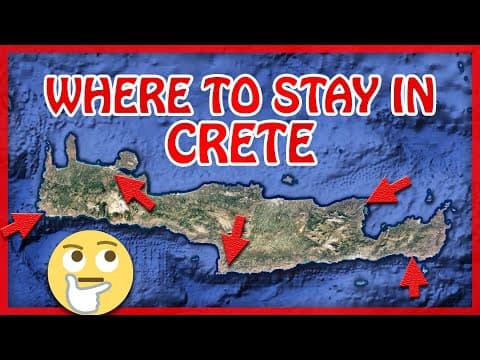
Where to stay in Crete & WHAT TO DO in Chania & Heraklion
Why CRETE is the BEST GREEK ISLAND
SPENDING A WEEK IN CRETE FOR THE FIRST TIME
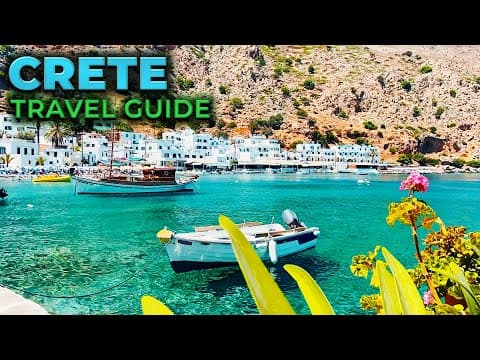
CRETE, GREECE Travel Guide - 10 Best Things To Do 2026

The Ultimate Crete Travel Guide | Greece 2025

a week in greece | athens and crete