

The Azores are nine volcanic islands scattered across the mid-Atlantic, 1,500 kilometres west of Portugal — Europe's most remote territory and one of its most spectacular natural environments. The archipelago rises from the Mid-Atlantic Ridge, producing dramatic volcanic landscapes of calderas, geysers, hot springs, crater lakes of electric blue and green, and coast-facing cliff walls that are genuinely breathtaking. São Miguel, the largest island and home to the capital Ponta Delgada, is the most visited — its Sete Cidades caldera (two lakes, one blue, one green, side by side in a volcanic crater) and Furnas valley (hydrothermal activity, black sand swimming, cozido das Furnas slow-cooked in volcanic steam) are extraordinary. Faial has a desolate volcanic cone created by a 1957 eruption that engulfed an entire village. Flores is the most isolated and arguably most beautiful, with waterfalls tumbling to the sea from every valley. The whale-watching in Azorean waters is among the world's finest — sperm whales are resident year-round, and blue and fin whales pass through seasonally. Swimming with dolphins is possible in multiple locations. Diving around the underwater volcanic formations is exceptional. The Azorean food culture — fresh fish, alheira sausages, local cheeses, pineapples grown in greenhouses — is excellent. The Portuguese-speaking islands have a deep character shaped by isolation and the sea. May–September is the best season.
Plan your trip to Azores
Destination pre-filled — set your origin, dates and budget
Travel videos — Azores
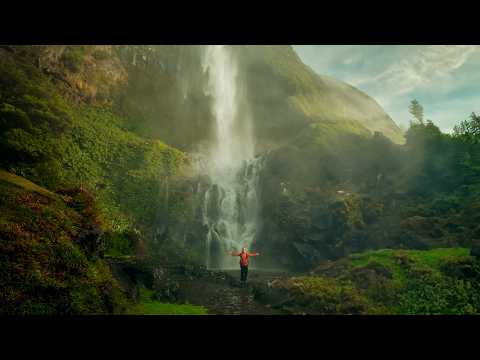
My Trip to the Azores
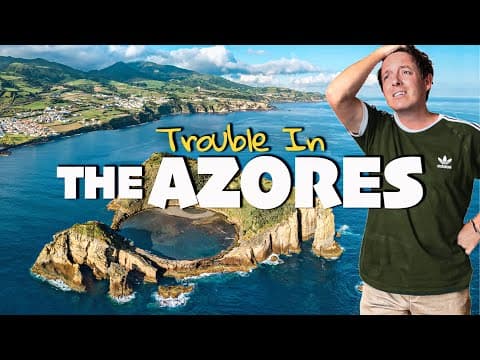
THE AZORES 🇵🇹 Stunning… But So Unpredictable (My Honest Experience)
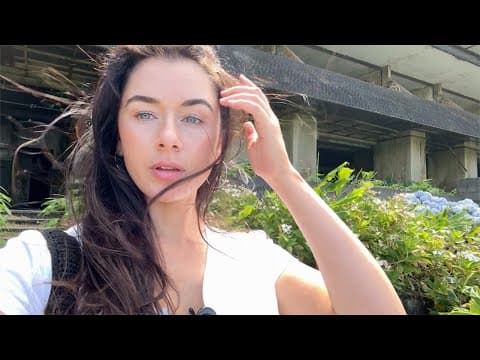
Europe's Best Kept Secret: The Azores
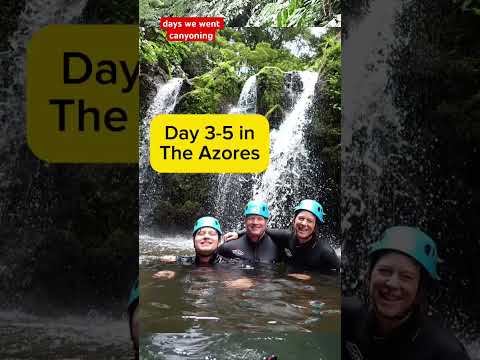
Azores: 5 Day Itinerary for Sao Miguel, One of 9 Islands off of Portugal #visitazores #getoutside

Ponta Delgada 2026: Are The Azores Still Worth Visiting?
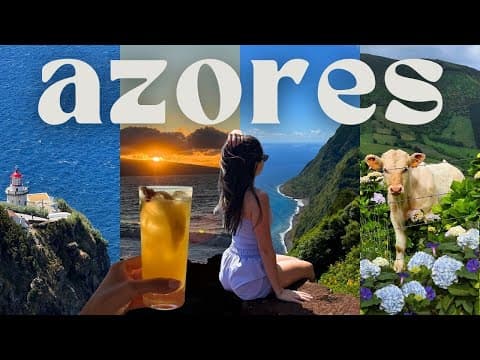
AZORE São Miguel | best viewpoints, food & beaches
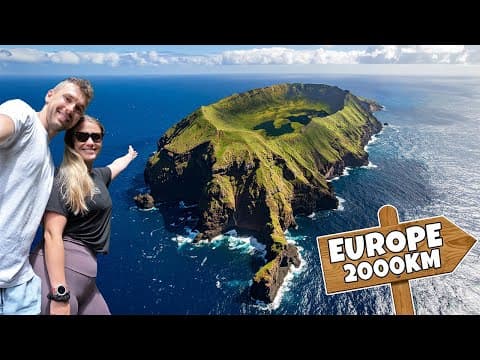
6 Days on Europe’s Most Remote Island – Flores, Azores
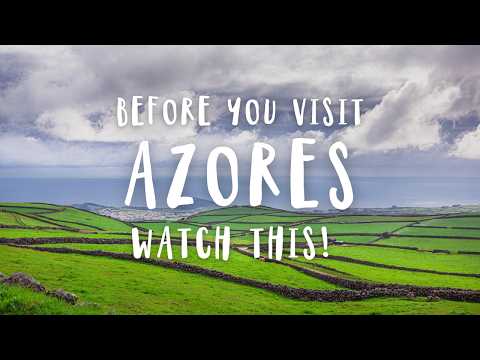
The Ultimate Azores Travel Guide 2025

hidden paradise in Europe | one week in Sao Miguel, the Azores